

The Tragic End of a Six-Day Manhunt: Former Special Forces Soldier Found Dead
Introduction to a Devastating Case
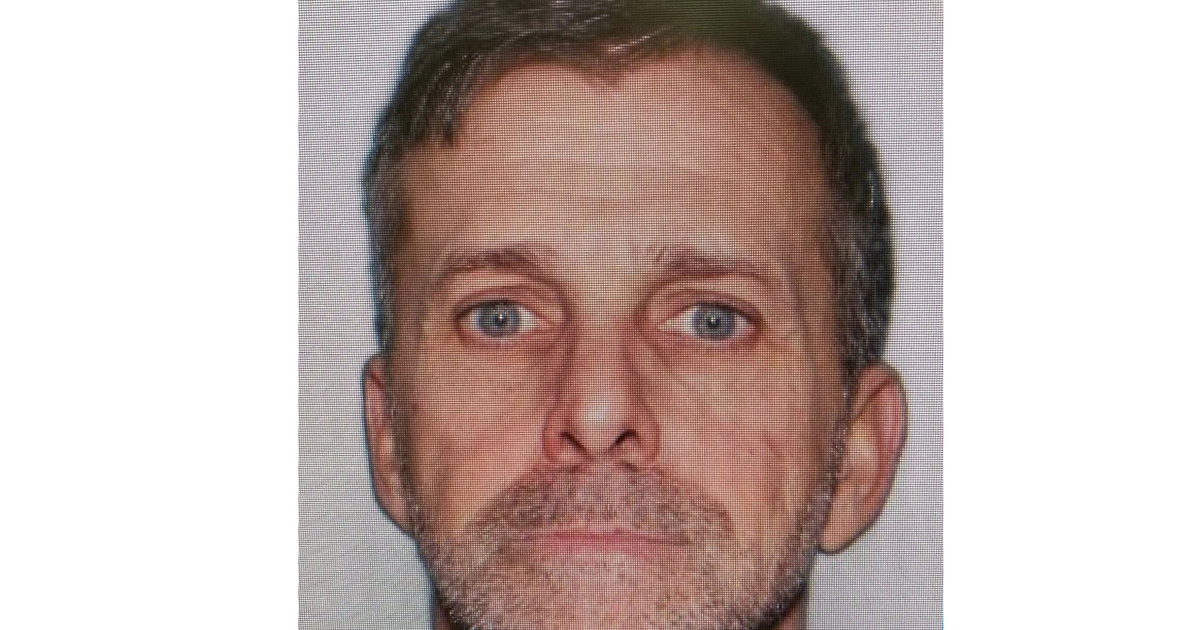
In a case that gripped northern Tennessee for nearly a week, the intensive search for Craig Berry, a 53-year-old retired special forces soldier, came to a somber conclusion when authorities discovered his body in Stewart County. The manhunt, which lasted six days and involved multiple law enforcement agencies, ended with what investigators believe was a self-inflicted gunshot wound. Berry had been the subject of an intense search operation after allegedly shooting his wife during a domestic dispute in the early morning hours of May 1st. The case highlights the tragic intersection of domestic violence, mental health challenges, and the dangerous situations that law enforcement officers face when pursuing armed suspects.
The Incident That Sparked the Manhunt
The events that led to this extensive search began in the predawn hours of a spring morning in Stewart County, Tennessee, a rural area situated along the Kentucky border, approximately 75 miles northeast of Nashville. According to the Stewart County Sheriff’s Office, Craig Berry and his wife became involved in a domestic dispute that escalated tragically when Berry allegedly shot his wife. Following the shooting, Berry immediately fled the scene, disappearing into the dense woods that characterize much of the region’s landscape. His wife was transported to a local hospital for treatment of her injuries, though authorities remained tight-lipped about her specific condition as the week progressed, citing both the ongoing investigation and privacy concerns. The nature of domestic disputes can be unpredictable and volatile, and this case exemplified how quickly a situation can deteriorate into violence. Berry’s military background, specifically his training as a special forces soldier, added an additional layer of concern for law enforcement officials who understood they were pursuing someone with tactical knowledge and survival skills that would make him a particularly challenging fugitive to locate and apprehend safely.
The Intensive Six-Day Search Operation
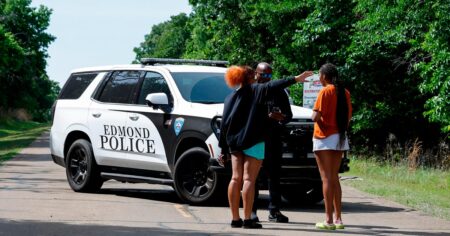
Once Berry fled into the wooded areas surrounding his home, law enforcement agencies immediately mobilized for what they anticipated would be a difficult search operation. The Stewart County Sheriff’s Office took the lead in coordinating the manhunt, but they were far from alone in their efforts. The operation quickly grew to include the Stewart County Sheriff’s Office SWAT team, agents from the Tennessee Bureau of Investigation (TBI), and the U.S. Marshals Service, demonstrating the seriousness with which authorities approached the situation. For six days, these agencies combed through challenging terrain, utilizing various resources and investigative techniques to locate Berry. The involvement of the U.S. Marshals Service was particularly significant, as this federal agency specializes in tracking and apprehending fugitives, bringing decades of expertise to the search efforts. The rural nature of Stewart County, with its extensive forests and relatively sparse population, provided numerous hiding spots for someone attempting to evade capture, especially someone with Berry’s military training and knowledge of survival tactics. Throughout the week, law enforcement officers worked tirelessly, understanding that a potentially armed and dangerous individual was at large in their community, creating an ongoing public safety concern that needed to be resolved as quickly as possible.
The Discovery and Confirmation
On the sixth day of the manhunt, the coordinated search efforts led investigators to a grim discovery. Members of the Stewart County Sheriff’s Office SWAT team, working alongside TBI agents, located Berry’s body during their systematic search of the area. The sheriff’s office released a statement via social media informing the public of the discovery, noting that initial indications suggested Berry had died from a self-inflicted gunshot wound. The U.S. Marshals Service subsequently confirmed Berry’s death and assured the community that he was “no longer a threat to the public,” a statement designed to ease concerns among residents who had been living with the knowledge that an armed fugitive was potentially in their vicinity. However, authorities remained cautious in their preliminary statements, carefully noting that the initial findings suggested suicide while leaving room for a complete investigation to confirm the exact circumstances of Berry’s death. Law enforcement officials did not immediately release information regarding the specific location where Berry’s body was found or how long investigators believed he had been deceased before discovery. This measured approach to information release is standard protocol in such cases, allowing investigators time to process the scene thoroughly, gather all necessary evidence, and ensure that their preliminary conclusions are supported by forensic evidence before making definitive public statements.
The Broader Context of Domestic Violence and Veteran Mental Health
This tragic case brings attention to two intersecting issues that affect communities across America: domestic violence and the mental health challenges faced by military veterans. Domestic violence remains a persistent problem in the United States, affecting families across all demographic groups, socioeconomic levels, and geographic regions. According to national statistics, domestic violence incidents occur with alarming frequency, and when firearms are involved, the potential for fatal outcomes increases dramatically. The fact that Berry was a retired special forces soldier adds another dimension to this tragedy. Military veterans, particularly those who served in combat roles or elite units like special forces, often face significant mental health challenges as they transition to civilian life. Post-traumatic stress disorder (PTSD), depression, anxiety, and difficulty adjusting to non-military life can affect veterans for years or even decades after their service ends. While the vast majority of veterans successfully reintegrate into civilian society and never engage in violence, the combination of combat training, potential mental health struggles, and access to firearms can create a particularly dangerous situation when domestic disputes arise. This case serves as a reminder of the importance of mental health resources for veterans, the need for domestic violence intervention programs, and the challenges that law enforcement faces when responding to situations involving individuals with military training and potential psychological distress.
Conclusion and Ongoing Questions
As the immediate crisis has passed with the confirmation of Craig Berry’s death, many questions remain unanswered for the community, the victim, and those investigating this case. The condition and recovery of Berry’s wife, who survived the initial shooting, remains a concern, though authorities have not provided recent updates on her status, likely out of respect for her privacy during what must be an incredibly difficult time. The investigation into the exact sequence of events, both during the initial domestic dispute and shooting, and during Berry’s time as a fugitive, will continue as authorities piece together a complete picture of what transpired during those six days. The community of Stewart County, a relatively small and tight-knit area where such dramatic events are uncommon, will need time to process the trauma of having an armed fugitive in their midst for nearly a week and the tragic conclusion to the manhunt. For law enforcement officials who worked tirelessly throughout the week to locate Berry and bring the situation to a resolution, the outcome, while eliminating the threat to public safety, likely brings little satisfaction, as these professionals generally hope to take suspects into custody alive to face justice through the legal system. This case will undoubtedly be studied and analyzed by law enforcement agencies, domestic violence prevention organizations, and veterans’ support groups as they seek to understand what went wrong and how similar tragedies might be prevented in the future. Ultimately, this incident serves as a sobering reminder of the devastating consequences of domestic violence, the importance of mental health support for veterans and all community members, and the courage of law enforcement officers who put themselves at risk to protect the public, even in the most challenging and dangerous circumstances.