


Major Drug Busts in the Pacific: A Coordinated Fight Against Cocaine Trafficking
International Forces Unite to Stop Ocean Drug Smuggling
In a significant display of cross-border cooperation, United States and Mexican law enforcement agencies have successfully intercepted massive quantities of cocaine being smuggled through Pacific waters. These operations represent the ongoing battle against international drug trafficking networks that continue to use sophisticated methods to transport illicit substances between countries. The Joint Interagency Task Force South, an impressive coalition bringing together 21 partner nations including the United States and Mexico, has been at the forefront of these interdiction efforts, demonstrating how international collaboration can effectively combat transnational crime.
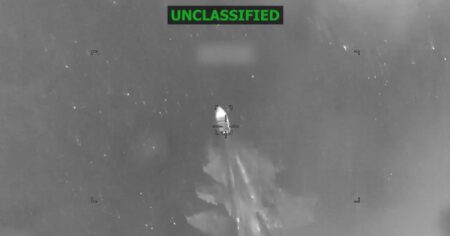
The most dramatic of these recent operations began when U.S. Customs and Border Patrol aircraft spotted a suspicious “go-fast” vessel—a term used for high-speed boats typically employed by drug smugglers—racing through Pacific waters off Mexico’s coast. These vessels are notorious in drug trafficking circles for their speed and maneuverability, designed specifically to outrun law enforcement and quickly deliver their illegal cargo. What happened next illustrated the cat-and-mouse game that plays out regularly on these waters: realizing they had been spotted from the air, the boat’s crew made the desperate decision to throw their precious cargo overboard, hoping to destroy evidence of their criminal activity. However, their quick thinking wasn’t enough to evade justice. The Mexican navy responded with impressive speed and precision, deploying forces that not only recovered the discarded drugs but also intercepted the vessel itself.
Dramatic High-Seas Recovery Operations
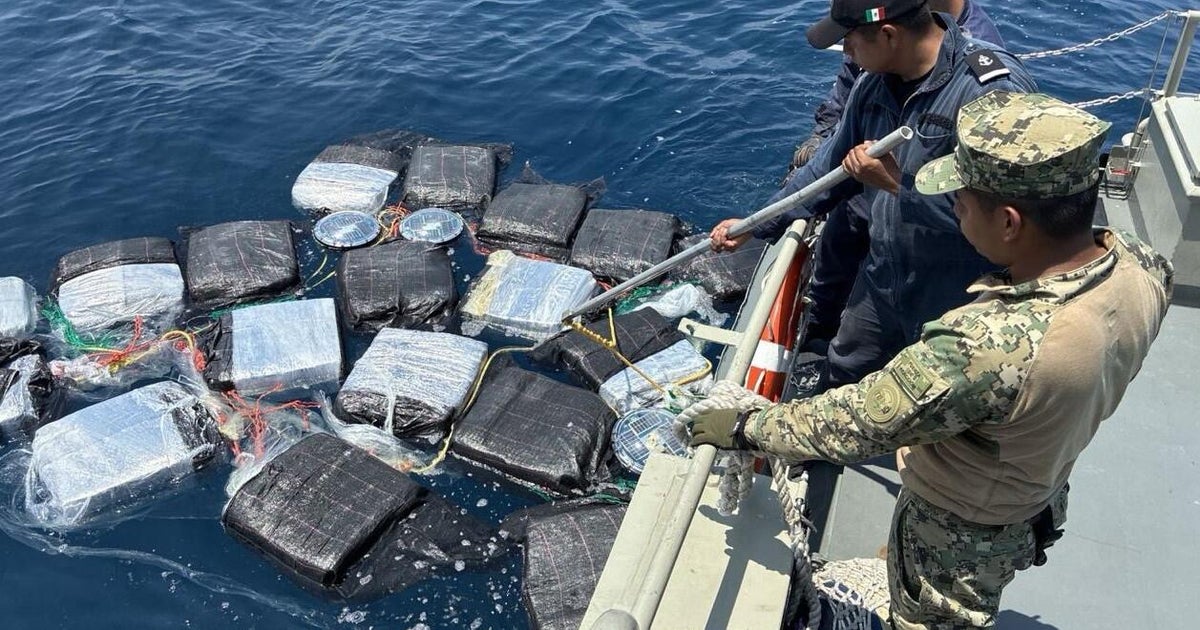
The scale of this particular seizure was staggering—approximately 1,990 pounds of cocaine, nearly a ton of illicit drugs that would have flooded streets across North America. Photographs released by authorities captured the challenging work of fishing dozens of waterproof packages from the ocean waves, each one containing highly valuable cocaine destined for illegal markets. The images also showed Mexican Marines conducting a high-risk boarding operation, fast-roping directly onto the deck of the moving go-fast vessel—a tactical maneuver that requires exceptional training and courage. This aggressive interdiction technique ensures that smugglers cannot escape and demonstrates the seriousness with which Mexican naval forces approach these operations.
While the Joint Interagency Task Force South shared details about the drug seizure, they remained notably quiet about whether any arrests were made during this operation. This silence might indicate ongoing investigations into larger trafficking networks, as law enforcement often withholds information about suspects when they’re building cases against broader criminal organizations. The individuals aboard these vessels are typically lower-level operatives in extensive drug trafficking networks, and authorities may be more interested in tracking the connections to higher-level organizers than immediately publicizing arrests.
Multiple Operations Reveal Ongoing Battle
This wasn’t an isolated incident but rather part of a coordinated series of enforcement actions conducted by the Mexican navy across different Pacific coastal areas. According to official statements from the Mexican naval agency, they carried out at least three significant operations during this period, each revealing different facets of the drug smuggling problem. The variety of these operations—from high-speed chases to routine inspections—shows the multiple strategies smugglers employ and the comprehensive approach required to counter them.
In one particularly noteworthy operation near the state of Guerrero, naval forces managed to accomplish two critical missions simultaneously. They seized 22 packages of cocaine while also rescuing 11 people who had become shipwrecked—a reminder that these waters can be dangerous even beyond the criminal activities taking place on them. The rescued individuals received immediate medical attention from navy personnel before being transferred to immigration authorities for processing. This humanitarian aspect of maritime operations highlights how naval forces must balance law enforcement duties with their responsibility to save lives at sea, regardless of the circumstances that brought people into danger.
A second operation demonstrated how smugglers attempt to hide drugs within legitimate commerce. During a routine inspection of a container ship docked at Manzanillo, one of Mexico’s busiest Pacific ports, naval inspectors discovered seven packages of cocaine cleverly concealed somewhere within the massive vessel. This operation also uncovered three stowaways who were detained—individuals who may have been attempting illegal entry into another country or could have been connected to the drug smuggling operation itself. The discovery underscores the importance of thorough port security and the challenges of screening the enormous volume of cargo that moves through international shipping hubs daily.
Significant Drug Recovery Near Tourist Destinations
The third operation took place near Acapulco, the famous resort city that has unfortunately also become known as a focal point in Mexico’s ongoing struggles with drug-related violence. Near this coastal area, naval forces recovered 34 additional packages containing illicit drugs from another vessel. Rather than transporting this dangerous cargo through populated areas, authorities made the decision to move the seized cocaine to the Oaxacan coast, where it could be safely destroyed under controlled conditions. This precaution reflects the serious risks associated with handling such large quantities of drugs and the importance of ensuring that seized substances don’t somehow find their way back into criminal hands.
While the Mexican navy shared information about these three operations through their official social media channels, they didn’t specify the exact dates when each interdiction occurred or clarify which of these operations involved direct assistance from U.S. Customs and Border Patrol. This lack of specificity is common in law enforcement announcements, as authorities often withhold operational details that could compromise ongoing investigations or reveal tactical information to criminal organizations. What they did emphasize was the cumulative impact of their efforts: under the current Mexican administration, naval forces have now seized an impressive 65.5 tons of cocaine—a massive quantity that represents hundreds of millions of dollars in street value and countless potential victims of drug abuse.
Long-Term Cooperation and Continuing Challenges
These recent operations build upon a foundation of increasing cooperation between American and Mexican law enforcement agencies. Earlier in the same year, authorities from both nations conducted another coordinated operation in the Pacific Ocean that resulted in the seizure of nearly 200 packages containing several tons of cocaine from a ship. This pattern of joint operations reflects a growing recognition that drug trafficking cannot be effectively combated by any single nation acting alone. The criminal networks behind these smuggling operations are sophisticated, well-funded, and operate across international boundaries, requiring an equally coordinated and international response from law enforcement.
The continued prevalence of these smuggling attempts, despite regular interdictions and seizures, reveals the stubborn reality of the drug trade. The enormous profits generated by cocaine trafficking create powerful incentives for criminal organizations to keep trying new routes and methods, accepting that some shipments will be lost to law enforcement as a cost of doing business. For every successful interdiction that makes headlines, authorities acknowledge that other shipments likely slip through undetected. This reality drives the ongoing efforts to improve detection capabilities, strengthen international cooperation, and address the underlying demand for illegal drugs that fuels the entire trafficking enterprise. The photos of Mexican naval personnel fishing packages of cocaine from Pacific waters or fast-roping onto smuggling vessels represent just the visible front lines of a much larger, more complex battle being fought on multiple fronts by nations committed to disrupting the flow of illicit drugs that cause so much harm to communities across the Americas.