
America Steps Away: Understanding the U.S. Withdrawal from the World Health Organization
A Historic Break After One Year of Waiting
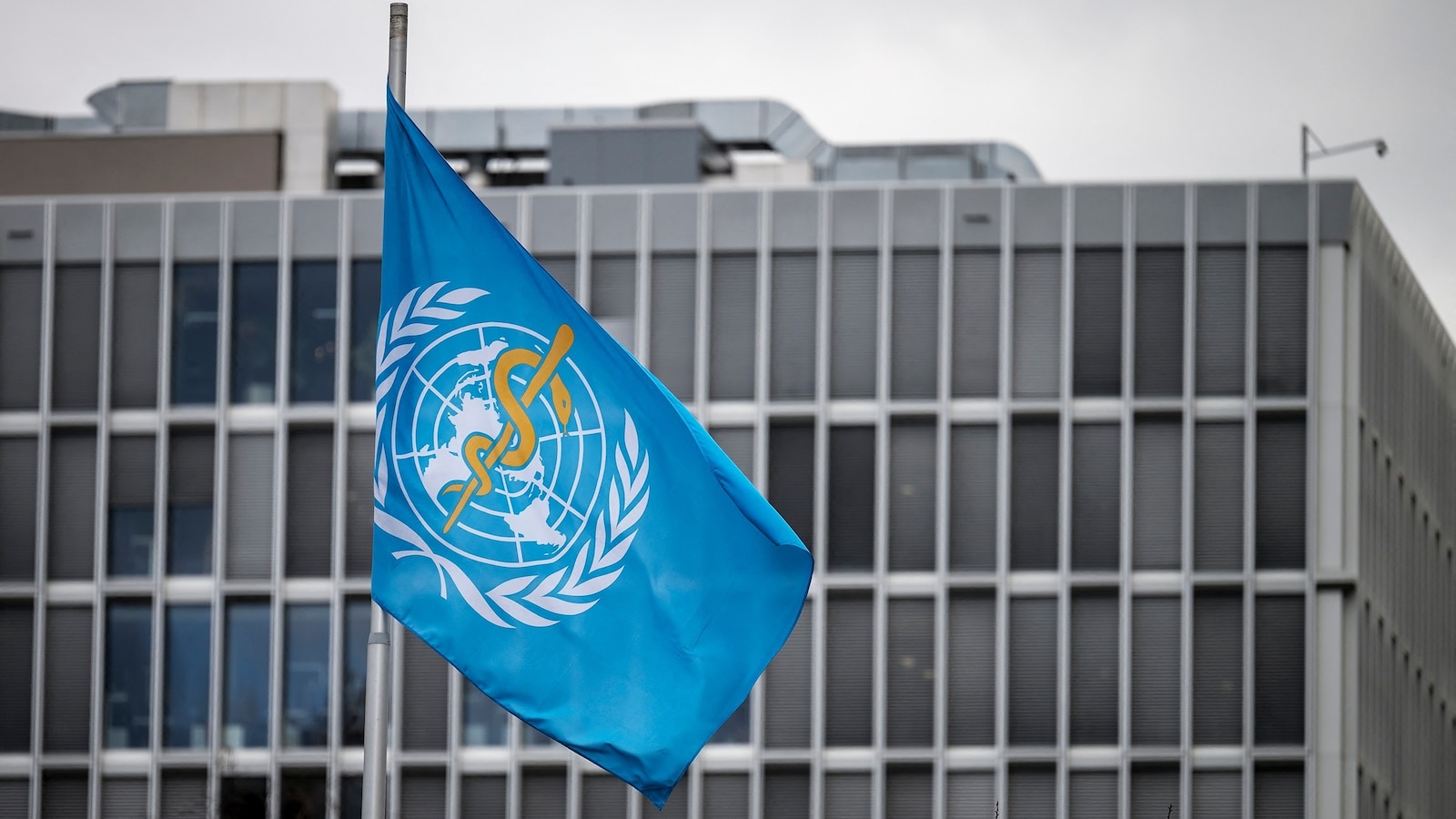
After a full year of anticipation and global uncertainty, the United States has officially severed its ties with the World Health Organization, marking a significant shift in America’s approach to international health cooperation. The Trump administration made the announcement this Thursday, exactly 365 days after President Donald Trump set the process in motion with an executive order. This isn’t just a bureaucratic formality—it represents a fundamental change in how the United States engages with global health challenges. The announcement came jointly from two major government bodies: the Department of Health and Human Services and the Department of State, signaling the seriousness of this decision. For an organization that has been a cornerstone of international health collaboration since 1948, losing its largest financial contributor and one of its most influential members represents an earthquake in the landscape of global health governance.
Why the U.S. Decided to Walk Away
The reasons behind this historic decision run deep, according to senior officials from the Department of Health and Human Services. Their primary argument centers on what they see as the WHO’s departure from its original purpose and its repeated actions that conflicted with American interests. The government’s criticism focuses heavily on how the WHO handled the COVID-19 pandemic, which reshaped our entire world starting in 2020. Officials argue that the WHO was too slow in recognizing COVID-19 as a global health emergency, potentially costing precious time when early action might have made a difference. They also point to what they viewed as unfair criticism of President Trump’s early pandemic responses, particularly his decision to restrict travel from certain countries—a move that was controversial at the time but which the administration believed was necessary for public safety.
Beyond pandemic-related grievances, the U.S. government raised concerns about financial equity within the organization. American officials have long been frustrated that the United States shoulders a disproportionate share of the WHO’s budget compared to other major world powers, particularly China. There’s also a symbolic complaint: despite being the organization’s most generous benefactor over the decades, an American has never served as the WHO’s director-general, the organization’s top leadership position. These accumulated frustrations—both financial and political—created a situation where the administration felt the relationship was no longer serving American interests. The underlying message is clear: the U.S. government believes it can protect American health and contribute to global wellness more effectively outside the WHO framework than within it.
Health Experts Sound the Alarm
While the administration presents its case for withdrawal, public health experts across the country are raising serious concerns about what this decision means for America’s safety. Dr. Ronald Nahass, who leads the Infectious Diseases Society of America, didn’t mince words in his assessment, calling the withdrawal “shortsighted and misguided.” His concerns aren’t based on political ideology but on the fundamental biology of how diseases work. As he pointedly noted, germs don’t respect national borders—a virus doesn’t need a passport to travel from one country to another. In our interconnected world, where a person can board a plane in one continent and land on another within hours, international cooperation isn’t just nice to have; it’s essential for keeping Americans safe.
The practical implications of this withdrawal are significant and concerning. Dr. Nahass explained that America’s ability to monitor emerging health threats will be compromised. Diseases like Ebola, which periodically emerge in other parts of the world, require constant vigilance and international information sharing to prevent them from becoming global catastrophes. Even something as routine as the annual flu season depends on international collaboration—the WHO coordinates a global network that tracks circulating flu strains and helps ensure that the vaccines we receive each fall actually match the viruses we’re likely to encounter. Without access to this network, developing effective flu vaccines becomes considerably more challenging. Dr. Nahass went further, describing the withdrawal as “scientifically reckless” because it ignores the basic natural history of infectious diseases. His argument is straightforward: in the realm of public health, global cooperation isn’t a luxury we can choose to indulge in when convenient—it’s a biological necessity dictated by how diseases actually spread and evolve.
The Plan to Go It Alone
Despite the concerns from health experts, the Trump administration insists that America won’t be abandoning global health leadership—just changing how that leadership works. A senior HHS official outlined what the post-WHO future looks like from the government’s perspective. The Department of Health and Human Services already maintains a substantial international presence, with more than 2,000 staff members stationed in 63 countries around the world. Additionally, the United States has established bilateral agreements—direct country-to-country partnerships—with hundreds of nations. The administration’s vision is to rely on these existing relationships and direct partnerships rather than working through the multilateral WHO framework.
To address the specific gaps that leaving the WHO will create, officials say they have developed plans to collaborate with various organizations on critical functions like disease surveillance, diagnostic development, and outbreak response. The idea is that instead of channeling efforts and resources through the WHO, the United States will work directly with countries and other organizations to achieve the same goals. Whether this approach can truly replicate the comprehensive global network that the WHO provides remains an open question. The WHO’s strength has always been its nearly universal membership and its ability to coordinate information and resources across political boundaries that might otherwise impede cooperation. Creating a parallel system through bilateral agreements is theoretically possible but practically challenging, especially when speed is essential during a rapidly developing health crisis.
The Financial and Diplomatic Complications
The process of leaving the WHO isn’t as simple as just walking away—there are rules and obligations involved. According to United Nations protocols, a country that wants to withdraw from the WHO must provide one year’s advance notice and pay all outstanding financial obligations. The Trump administration satisfied the first requirement with last year’s executive order, giving the WHO and the global health community a full year to prepare for this moment. However, the financial obligation is where things get complicated. The United States currently owes more than $270 million to the WHO for the 2024-2025 funding period, according to UN records. That’s not pocket change—it represents a significant portion of the organization’s operating budget.
The senior HHS official, however, contests that the United States has any legal obligation to pay these dues. Their argument rests on an interpretation of the WHO’s Constitution, the founding document adopted back in 1948 that established the organization and its operating principles. The administration apparently believes that certain provisions in that constitution, or perhaps the circumstances of the withdrawal, exempt the U.S. from this payment requirement. This disagreement over financial obligations adds another layer of tension to an already strained situation. For the WHO, which will need to find ways to compensate for the loss of American funding and expertise, the question of whether the U.S. will pay what the UN says it owes could determine whether the organization faces a budget squeeze or a budget crisis. The WHO itself has remained relatively measured in its public response, with a spokesperson noting that the withdrawal is on the agenda for the Executive Board meeting scheduled for early February, and that the organization will proceed based on guidance from its governing bodies.
What Happens Next: An Uncertain Future
Looking ahead, the landscape of international health cooperation has fundamentally changed, and the full implications won’t be clear for some time. The Department of Health and Human Services has stated unequivocally that there are currently no plans for the United States to rejoin the WHO or even participate as an observer—a status that would allow some engagement without full membership. This firm stance suggests that barring a significant change in administration policy, this separation is intended to be long-term. One immediate test of how this withdrawal will work in practice comes next month, when the WHO is scheduled to lead a crucial meeting about flu vaccines. The United States has traditionally played a central role in this annual gathering, contributing vital analysis and sharing samples of circulating flu strains. Whether American scientists and health officials will participate in this meeting—and if so, in what capacity—remains unclear.
This uncertainty exemplifies the larger question facing both the United States and the global health community: how will the practical work of protecting people from disease continue in this new reality? Will bilateral agreements and direct partnerships truly prove sufficient for tracking emerging threats, coordinating research, and responding to outbreaks? Or will the absence of a central coordinating body create dangerous gaps in the global health safety net? The answer will likely unfold over the coming months and years, probably measured in how effectively the world responds to the next major health challenge. For ordinary Americans, the implications are both abstract and deeply personal—abstract in the sense that global health governance seems distant from daily life, but personal because the effectiveness of that governance can determine whether a distant outbreak remains contained or becomes the next pandemic to disrupt our lives, our health, and our communities.