
Federal Judge Blocks Kennedy’s Controversial Vaccine Policy Changes: What Parents Need to Know
Court Halts Sweeping Modifications to Childhood Immunization Guidelines
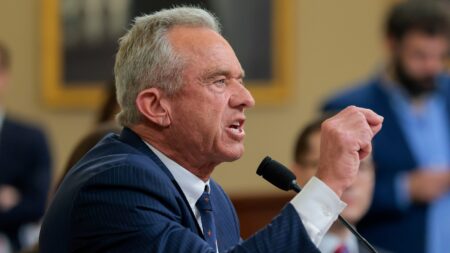
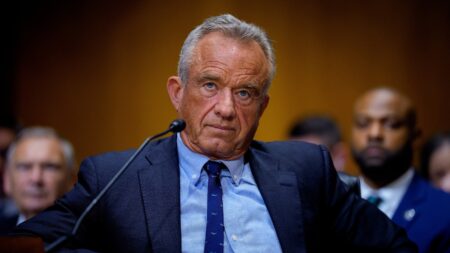
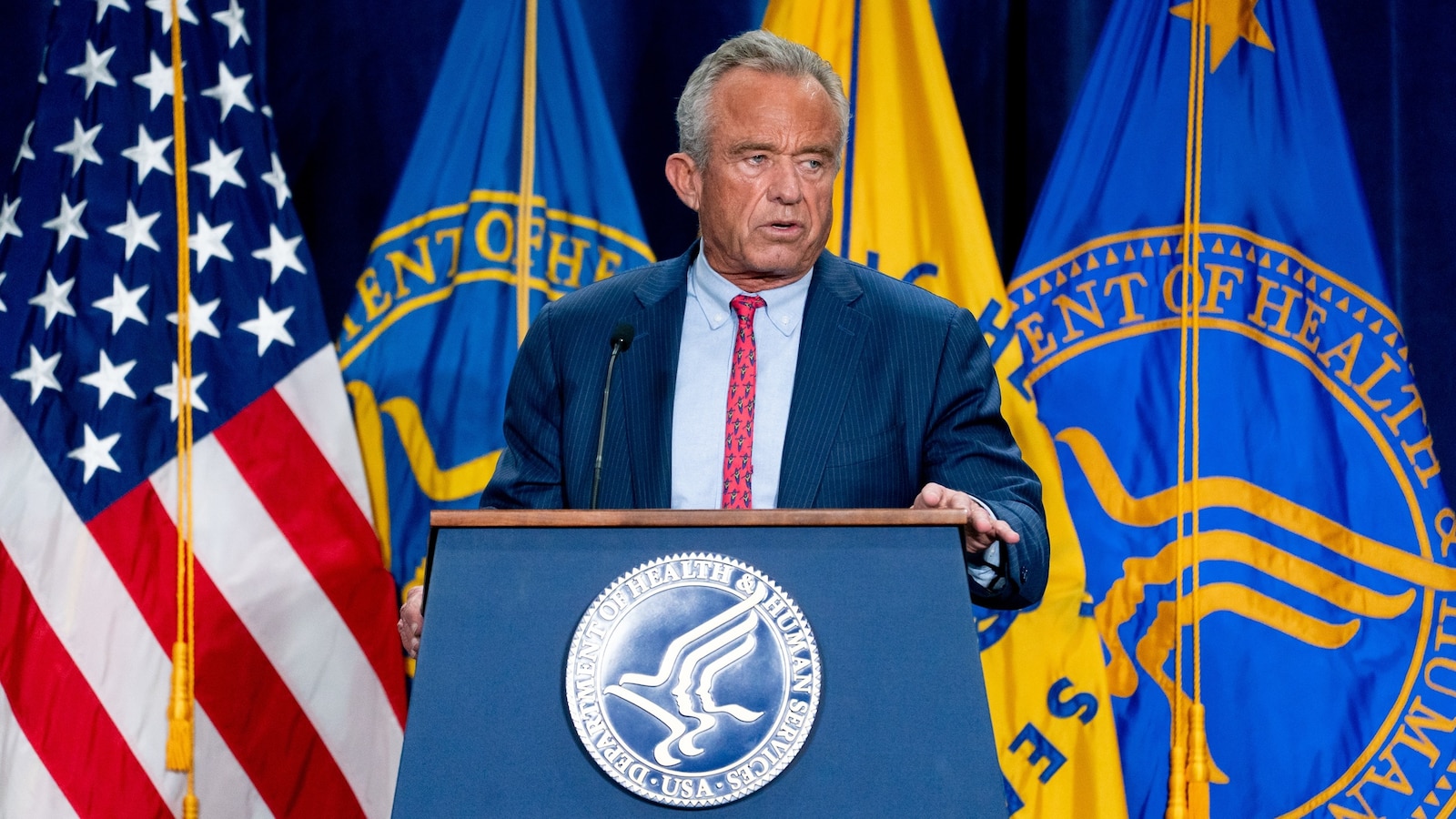
In a significant legal setback for the current administration’s health policies, a Massachusetts federal judge has temporarily blocked several controversial changes to America’s childhood vaccine recommendations that were implemented by Health and Human Services Secretary Robert F. Kennedy Jr. earlier this year. District Judge Brian Murphy’s ruling on Monday addressed concerns from major medical organizations who argued that Kennedy’s unilateral policy shifts violated established procedures and undermined the scientific integrity that has protected children’s health for decades. The decision comes at a critical moment when parents across the country have been confused about which vaccinations their children should receive, as the traditional guidance they’ve relied upon was suddenly altered without following the proper legal and scientific review processes.
The ruling specifically addresses three major changes that Kennedy implemented: the reduction of recommended childhood vaccines from 17 to 11 shots, the replacement of all members of the CDC’s vaccine advisory committee with his own appointees, and several votes taken by this newly-formed committee that weakened vaccine recommendations. Among these controversial votes was the removal of the universal recommendation for hepatitis B vaccination at birth and the narrowing of guidelines for the MMRV shot, which protects children against measles, mumps, rubella, and chickenpox. Judge Murphy emphasized in his opinion that these decisions cannot simply be made on a whim, even by high-ranking government officials. “There is a method to how these decisions historically have been made—a method scientific in nature and codified into law through procedural requirements,” he wrote, adding pointedly that “the Government has disregarded those methods and thereby undermined the integrity of its actions.”
The Legal Challenge and What It Means for Families
The lawsuit that led to this ruling was filed last summer by the American Academy of Pediatrics, joined by other respected medical organizations including the American College of Physicians and the Society for Maternal-Fetal Medicine. These groups represent thousands of doctors who care for children and families across the nation and who witnessed firsthand the confusion and potential harm caused by the sudden policy shifts. The medical organizations argued that HHS violated the Administrative Procedure Act, a fundamental federal law that requires government agencies to follow specific procedures when creating or changing rules that affect the public. This isn’t just bureaucratic red tape—these procedures exist to ensure that important decisions affecting public health are based on thorough scientific review, expert consultation, and transparent processes rather than the personal beliefs of any single individual, regardless of their position.
The implications of this ruling extend far beyond the courtroom. For months, parents have been caught in an impossible position, unsure whether to follow the new, reduced vaccine schedule promoted by Kennedy or the traditional recommendations that their pediatricians continued to advocate for based on decades of scientific evidence. Many families have postponed or skipped vaccinations entirely due to this confusion, potentially leaving their children vulnerable to preventable diseases. Dr. Andrew Racine, president of the American Academy of Pediatrics, celebrated the ruling as “a historic and welcome outcome for children, communities, and pediatricians everywhere,” emphasizing that “this decision effectively means that a science-based process for developing immunization recommendations is not to be trifled with and represents a critical step to restoring scientific decision-making to federal vaccine policy that has kept children healthy for years.”
The Controversy Surrounding Kennedy’s Advisory Committee
One of the most contentious aspects of Kennedy’s changes was his decision to fire all existing members of the Advisory Committee on Immunization Practices (ACIP) and replace them with 13 individuals he selected personally. The ACIP has historically been composed of independent medical experts, scientists, and public health professionals chosen through a rigorous selection process designed to ensure expertise and minimize conflicts of interest. Kennedy’s wholesale replacement of the committee raised immediate red flags among medical professionals who worried that the new members were chosen based on their skepticism of vaccines rather than their scientific credentials. Judge Murphy’s ruling suspended the appointments of these Kennedy-selected members and stayed all votes they had taken, effectively nullifying their decisions until proper procedures can be followed.
The judge’s ruling presented an interesting procedural question: he allowed the ACIP meeting scheduled for this Wednesday and Thursday to technically move forward, though he questioned how a committee could meet “without nearly the entirety of its membership.” Legal counsel for the medical organizations argued that any such meeting would be “improper” given the circumstances. Ultimately, HHS confirmed that the meeting has been postponed, though the administration’s response suggested they plan to fight the ruling. HHS spokesperson Andrew Nixon stated that “HHS looks forward to this judge’s decision being overturned just like his other attempts to keep the Trump administration from governing,” framing the legal dispute as judicial interference rather than acknowledgment of procedural violations.
Expert Voices on Public Health and Scientific Integrity
Medical experts and former public health officials have been outspoken about the dangers posed by the vaccine policy changes that the court has now blocked. Dr. Richard Besser, who served as acting director of the CDC during the Obama administration, didn’t mince words when reacting to the ruling: “This ruling says that science matters and that the health of our children matters.” He expressed disbelief at the situation that has unfolded over the past year, stating, “The idea that our Secretary of Health could be someone who is a leading anti-vaccine advocate and to put in place at the federal level an advisory committee stacked with anti-vaccine advocates endangered the health of children in America.” These strong words from a respected former CDC leader underscore the alarm that public health professionals have felt watching these events unfold.
The concern among medical professionals isn’t just about policy disagreements or bureaucratic procedures—it’s about the real-world consequences for children’s health. Vaccines have been one of public health’s greatest success stories, virtually eliminating diseases that once killed or permanently disabled thousands of children every year. Measles, which can cause brain damage and death, had been declared eliminated from the United States in 2000 thanks to high vaccination rates, but has seen periodic outbreaks when vaccination rates drop. Hepatitis B can cause lifelong liver disease and cancer, and vaccinating newborns has dramatically reduced infection rates. The diseases prevented by the MMRV vaccine were once common childhood illnesses that, while sometimes mild, could also lead to serious complications including pneumonia, encephalitis, and even death. When vaccine recommendations are weakened without proper scientific justification, children become vulnerable to these preventable diseases once again.
Moving Forward: What Parents Should Do Now
While Judge Murphy’s ruling is a significant step toward restoring science-based vaccine policy, it doesn’t immediately eliminate the confusion that has surrounded childhood immunizations for the past several months. The Trump administration can appeal the decision, which could extend the uncertainty for families trying to make the best health decisions for their children. Dr. Besser acknowledged this ongoing confusion but offered clear guidance for parents: talk to your pediatrician or family health care provider about what vaccines your children should be receiving. These frontline medical professionals have continued to base their recommendations on the scientific evidence and traditional guidelines that have protected children for decades, regardless of the political winds shifting in Washington.
The broader lesson from this legal battle is about the fundamental principles that should govern public health policy in a democratic society. Medical decisions that affect millions of children shouldn’t be made unilaterally by political appointees, even those with cabinet-level positions. The procedures outlined in laws like the Administrative Procedure Act exist precisely to prevent hasty, potentially harmful changes that bypass scientific review and expert consensus. As this case continues through the courts, it will likely have implications beyond vaccine policy, potentially affecting how health agencies approach other regulatory decisions. For now, parents can take some comfort in knowing that the judicial system has provided a check on changes that the medical community nearly unanimously opposed, and that the traditional, science-based approach to vaccine recommendations has been temporarily restored while the legal process unfolds.