

A Rare Show of Support: Dr. Oz Urges Americans to Get Vaccinated Against Measles
Top Health Official Makes Strong Vaccine Statement Amid Growing Outbreaks
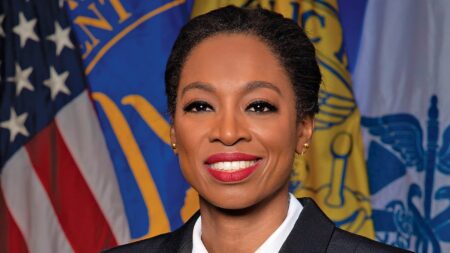
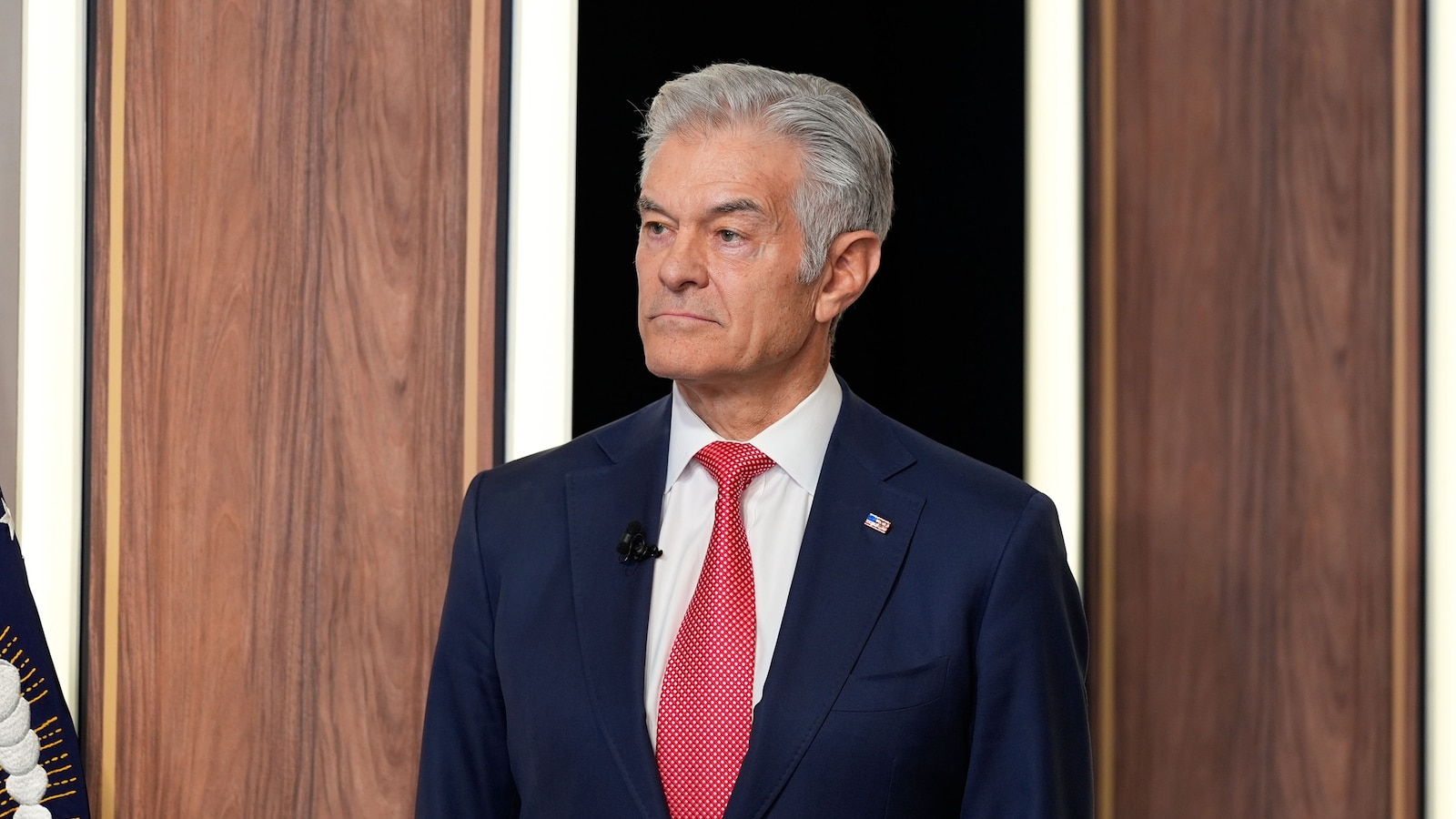
In a significant moment for public health messaging during the Trump administration, Dr. Mehmet Oz, who leads the Centers for Medicare and Medicaid Services, made an unusually clear and direct appeal to Americans about the importance of measles vaccination. During an appearance on CNN’s “State of the Union” this past Sunday, Oz didn’t mince words about the dangers of measles or the need for vaccination. “Take the vaccine, please. We have a solution for our problem,” he urged viewers, emphasizing that while not all diseases pose equal threats, measles is serious enough that everyone should get vaccinated. His comments come at a critical time when the United States is grappling with one of its worst measles outbreaks in years, with over 700 cases reported so far this year according to the Centers for Disease Control and Prevention (CDC). This marks the third-highest number of annual measles cases since health officials declared the disease eliminated from the U.S. back in 2000. For many infectious disease experts, Oz’s straightforward endorsement of the vaccine and his refusal to downplay the seriousness of measles was a welcome change from the more ambiguous messaging that has characterized some other officials’ statements on vaccination.
A Different Tone from Other Trump Administration Officials
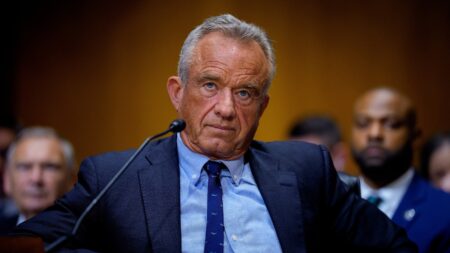
What made Dr. Oz’s comments particularly noteworthy was how they contrasted with the messaging from his boss, Health and Human Services Secretary Robert F. Kennedy Jr., whose department oversees Oz’s agency. While Kennedy has at times acknowledged that the measles, mumps, rubella (MMR) vaccine helps prevent disease spread, he has also been criticized by public health experts for spreading misinformation about the vaccine’s safety and effectiveness. Perhaps most problematically, Kennedy has consistently framed vaccination as a “personal choice,” a position that public health experts say ignores the highly contagious nature of measles and the vulnerability of children too young to be vaccinated. The HHS spokesperson responded to these concerns by stating that the agency’s leadership “has consistently said that the MMR vaccine is the best way to prevent the spread of measles and protect public health,” though many experts remain skeptical given Kennedy’s history of vaccine skepticism. Dr. Oz, for his part, defended Kennedy during his CNN appearance, insisting that Kennedy has been “on the very front of” advocating for measles vaccines, though this characterization has been disputed by several public health professionals who have tracked Kennedy’s contradictory statements over the months.
Public Health Experts Applaud Oz’s Clear Message
Medical professionals and infectious disease specialists expressed cautious optimism about Dr. Oz’s vaccination appeal, hoping it might reach parents who have been hesitant about immunizing their children. Dr. William Schaffner, a professor of preventive medicine at Vanderbilt University Medical Center, told reporters that Oz’s prominence could make a real difference. “He’s a prominent administration official and a prominent person in his own right, who’s well recognized by many people in the United States,” Schaffner explained. “His strong affirmation and encouragement of measles vaccination was very welcome.” Schaffner also took the opportunity to remind the public of current CDC recommendations, which call for all children to receive two doses of the MMR vaccine—the first between 12 and 15 months of age, and the second between ages 4 and 6. Dr. Peter Hotez, dean of the National School of Tropical Medicine at Baylor College of Medicine, wasn’t particularly surprised by Oz’s pro-vaccination stance, noting that Oz had also supported COVID-19 vaccines during the pandemic. Hotez recalled appearing on “The Dr. Oz Show” to discuss vaccination importance and appreciated the opportunity to reach audiences he might not otherwise connect with. “I’ve always been a supporter of Dr. Oz from that standpoint,” Hotez said. “I think he’s always been pretty positive on vaccines.”
Kennedy’s Confusing and Contradictory Record on Vaccination
Despite Dr. Oz’s defense of his boss, Health and Human Services Secretary Robert F. Kennedy Jr.’s actual record on vaccines tells a more complicated story. Kennedy’s position has shifted repeatedly, sometimes within days, leaving public health officials and parents confused about the administration’s true stance on vaccination. After a devastating measles outbreak in West Texas last year that resulted in more than 700 cases and claimed the lives of two unvaccinated school-aged children, Kennedy posted on social media that “the most effective way to prevent the spread of measles is the MMR vaccine.” However, just days later, he contradicted himself by claiming the vaccine hadn’t been safely tested and only offered short-term protection—statements that public health officials flatly reject as false. Kennedy initially downplayed the Texas outbreak as “not usual,” but shifted to a “call to action” after the first child died, acknowledging that “vaccines not only protect individual children from measles, but also contribute to community immunity.” Yet even in that statement, he undermined his own message by adding that “the decision to vaccinate is a personal one,” and advising parents to “understand their options.” During a March interview with Sean Hannity on Fox News, Kennedy made the unsupported claim that the MMR vaccine causes deaths and serious complications similar to measles itself, including encephalitis and blindness—a statement for which he provided no evidence and which contradicts decades of research showing the vaccine is safe and effective.
Experts Question the Impact and Express Frustration
While medical professionals appreciated Dr. Oz’s clear pro-vaccine message, many questioned how much real impact his words would have, given his limited role in shaping vaccine policy. Dr. Hotez pointed out that Oz doesn’t oversee any of the federal agencies that actually make vaccine policy decisions—not the FDA, NIH, CDC, or the ACIP advisory committee. “It’s great that he made those positive statements,” Hotez acknowledged. “Better he said it than he didn’t, but hard to say how much impact it will have.” Some experts expressed particular frustration that Kennedy hasn’t adequately addressed the massive measles outbreak in South Carolina, which has seen more than 900 cases between October 2025 and February 2026, making it one of the largest U.S. outbreaks in recent years. Dr. Paul Offit, director of the Vaccine Education Center at Children’s Hospital of Philadelphia, voiced deep concern about the silence from the nation’s top health official. “You get to 1,000 cases, you’re again talking about children being at risk of dying,” Offit warned. “The mortality rate for measles is one to three per thousand cases. This is a worrisome time; this is a red flag moment to stand up for the health of America’s children. He’s the nation’s number one public health officer and he says nothing as these cases continue to mount.” An HHS spokesperson said the CDC is working closely with South Carolina officials and providing $1.4 million in financial assistance, along with technical support, laboratory services, vaccines, and therapeutics as requested.
The Road Ahead: Local Action May Matter Most
Despite the mixed messages coming from federal officials, public health experts believe the most effective path forward lies in local community action rather than relying solely on federal leadership. Dr. Schaffner emphasized that while positive messaging from the federal level is important, local leaders and trusted community figures will be far more successful in combating vaccine hesitancy in their own neighborhoods. “A lot has to be done at the local level where local influencers can have more influence than Dr. Bill in Nashville or even others at the federal level,” Schaffner explained. “Certainly, all the positive messaging we can get from the federal level will augment and support what people are doing at state and local health departments and what local family doctors and pediatricians are doing day by day in speaking to parents about vaccinating their children.” President Trump himself has remained largely silent on the current measles outbreaks, though he did post on social media last year suggesting the combined MMR vaccine should be split into three separate shots. He has previously complained that children receive too many vaccinations and recommended spacing them out more, and during his 2024 campaign, he threatened to defund schools that mandate vaccines, though he didn’t specify whether he meant COVID-19 vaccines or all vaccines. As measles cases continue to climb and more children remain at risk, the contrast between Dr. Oz’s clear pro-vaccine message and the more ambiguous or contradictory statements from other administration officials highlights the challenge facing public health in America today—a challenge that will likely require grassroots efforts and trusted local voices to overcome.