


Hyundai Halts Sales Following Tragic Child Death: What Vehicle Owners Need to Know
A Heartbreaking Incident Prompts Immediate Action
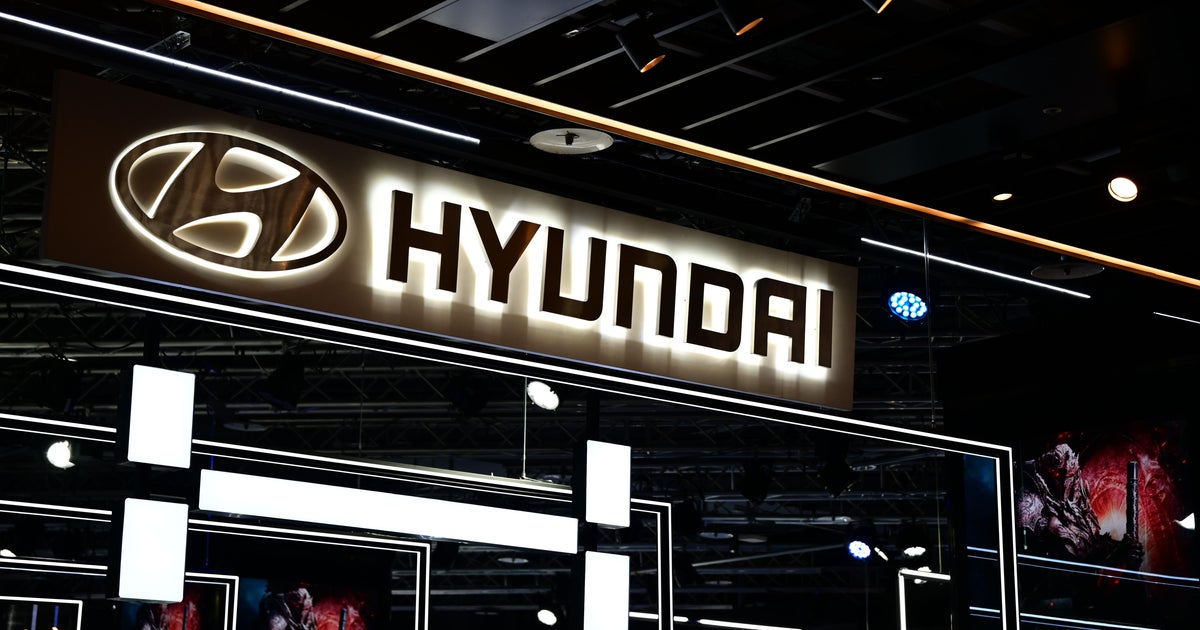
In a sobering reminder that modern vehicle conveniences can sometimes pose unexpected dangers, Hyundai Motor North America has taken swift action following a devastating tragedy. The automotive giant announced on Friday that it would immediately halt sales of certain 2026 Hyundai Palisade models and initiate a recall affecting over 68,000 vehicles. This decision comes in the wake of an incident that claimed the life of a young child, prompting the company to address a serious safety concern with the vehicle’s power seat mechanisms. According to reports from Reuters, the tragedy involved a 2-year-old girl who lost her life in Ohio on March 7. While Hyundai has acknowledged the incident, the company stated that the circumstances are still under investigation and full details remain unavailable. In their statement, Hyundai expressed profound sorrow, saying, “Hyundai extends its deepest sympathies to her family.” This heartbreaking event has underscored the importance of thoroughly examining even the most seemingly routine vehicle features, particularly when children’s safety is at stake.
Understanding the Technical Problem Behind the Recall
The issue at the heart of this recall involves the power seat systems found in the second and third rows of affected Palisade models. These power seats, which have become increasingly common in modern vehicles, allow passengers to adjust their seating position electronically at the push of a button, providing convenience and comfort for families and larger groups. However, Hyundai has identified a critical flaw in how these seats operate. According to the company’s statement, the seat controls may fail to detect contact with a person or object when the seat is in the process of folding or sliding. This represents a significant safety gap, as modern vehicles typically include sensors designed to prevent injuries by stopping automated movements when they encounter resistance. The failure of these sensors to properly detect obstructions during the folding or sliding process creates a dangerous situation, particularly for small children who might be in or near the seat area without being clearly visible to the person operating the controls. The specific models affected by this issue are the 2026 Hyundai Palisade Limited and Calligraphy trims—the higher-end versions of the popular three-row SUV that come equipped with these power-adjustable second and third-row seats.
The Scope of the Recall and Hyundai’s Response Plan
The scale of this safety action is substantial, reflecting both the popularity of the Palisade and the seriousness with which Hyundai is treating this issue. The company is preparing a recall that will encompass 60,515 vehicles that were produced in the United States, along with an additional 7,967 vehicles manufactured in Canada, bringing the total number of affected vehicles to more than 68,000. This represents a significant portion of the 2026 Palisade models that have been produced and sold in North America. Hyundai has assured customers that once the recall repair solution is finalized, all work will be performed at no cost to vehicle owners—a standard practice in safety recalls that ensures financial concerns don’t prevent people from getting necessary safety fixes. In the interim, the company is working on developing an over-the-air software update, demonstrating how modern connected vehicle technology can be leveraged to address safety concerns more quickly than traditional recall methods that require dealership visits. Hyundai expects this software update to be available by the end of March, which would provide an initial fix while more comprehensive repairs are developed. This dual approach—immediate software updates followed by permanent hardware or software solutions—has become increasingly common in the automotive industry as vehicles have become more computerized and connected.
Federal Safety Regulators Monitoring the Situation
The National Highway Traffic Safety Administration (NHTSA), the federal agency responsible for vehicle safety in the United States, is actively engaged in addressing this issue. In a statement to CBS News, NHTSA confirmed that it “is aware of this recent tragic incident and is in communication with Hyundai to gather additional information.” This response indicates that federal regulators are taking the matter seriously and will be overseeing Hyundai’s handling of the recall to ensure it adequately addresses the safety concerns. NHTSA’s involvement is standard procedure when serious injuries or fatalities are potentially linked to vehicle defects, and the agency has the authority to expand recalls if it determines that additional vehicles or issues need to be addressed. The agency will likely continue to monitor incoming data about the Palisade power seats and any additional incidents that might occur, while also reviewing Hyundai’s proposed fixes to ensure they adequately address the root cause of the problem. For consumers, NHTSA’s involvement provides an additional layer of oversight and accountability, helping to ensure that the automotive industry responds appropriately to safety concerns and that fixes are genuinely effective rather than merely cosmetic.
Critical Safety Warnings for Current Palisade Owners
For families who currently own one of the affected 2026 Hyundai Palisade models, the company has issued specific and urgent safety guidance that should be followed immediately while awaiting the recall repair. Hyundai is strongly urging owners to exercise extreme caution when using the second- and third-row power seat functions, particularly in situations involving children. The company’s guidance is clear and specific: owners must make absolutely certain that no objects or people—with particular emphasis on children—are in the seat or in the seat-folding area before operating any power seat functions. This means taking the time to physically check and visually confirm that the area is completely clear before pressing any buttons. Additionally, Hyundai has advised customers to avoid pressing the seatback button during entry or exit when using the second-row one-touch tilt-and-slide feature, which is designed to provide easier access to the third row. While this feature normally provides convenience, particularly for passengers entering or exiting the rear seats, the potential safety issue makes it prudent to avoid using it in this manner until the recall repairs have been completed. These precautions may seem inconvenient, but they are essential for preventing potential tragedies while the company works to implement permanent fixes.
Broader Implications for Vehicle Safety and Family Transportation
This tragic incident and subsequent recall highlight important questions about vehicle safety in an era of increasing automation and convenience features. As automakers continue to add power-operated and automated systems to vehicles—from power seats and power liftgates to more advanced features like self-driving capabilities—the importance of robust safety systems that can detect and prevent potential harm becomes even more critical. The Palisade has been one of Hyundai’s most successful vehicles in North America, particularly popular among families due to its spacious three-row configuration, competitive pricing, and strong feature set. For many families, the convenience of power-adjustable seats in the second and third rows represents a genuine quality-of-life improvement, making it easier to configure the vehicle for different passengers and cargo needs. However, this incident serves as a sobering reminder that convenience features must never compromise safety, particularly when children are involved. As this situation develops, it will likely prompt both Hyundai and other automakers to review their power seat systems and similar features to ensure adequate safeguards are in place. For consumers, this incident underscores the importance of carefully reading owner’s manuals, understanding how vehicle features work, and always maintaining awareness of children’s locations when operating any power-operated vehicle systems. While automakers bear the primary responsibility for ensuring their vehicles are safe, parents and caregivers must also remain vigilant about potential hazards. As we await further developments in this recall, including the release of the software update and the final recall repair procedure, the automotive industry and regulatory agencies will undoubtedly be examining this incident closely to prevent similar tragedies in the future.