


Understanding American Attitudes Toward Voting Rights and Election Integrity
Broad Support for Voter ID Requirements Crosses Party Lines
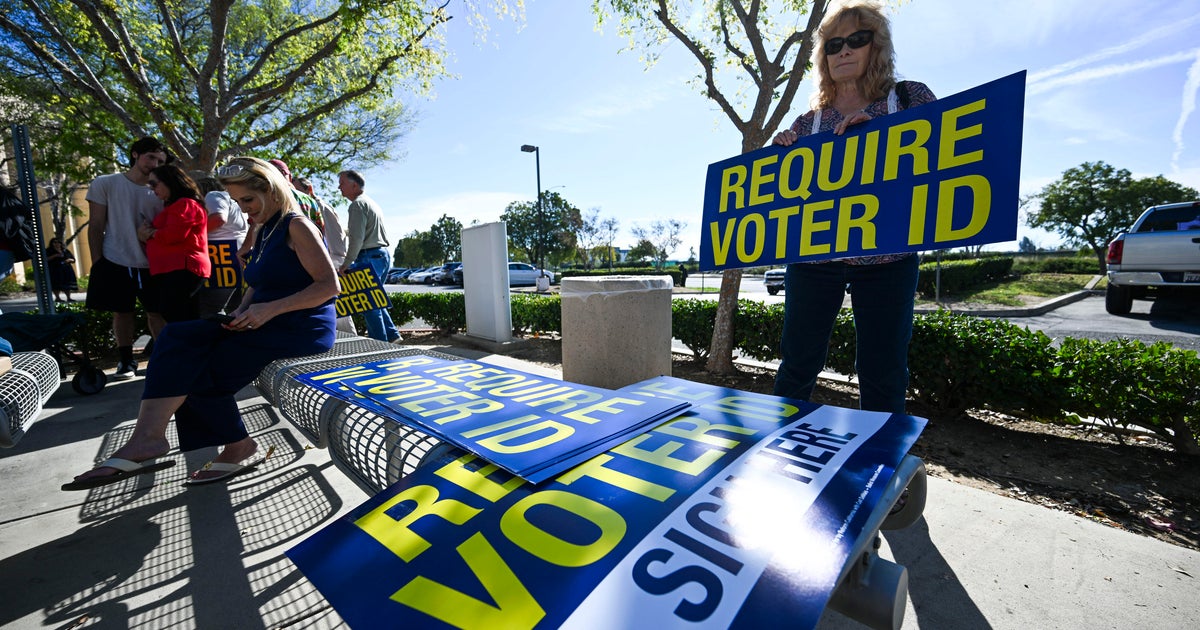
When it comes to the basics of election security, Americans seem to find common ground more easily than the heated political rhetoric might suggest. The idea of showing a photo ID before casting a ballot enjoys widespread support that bridges the usual partisan divide, with majorities from both major political parties backing the concept. Similarly, requiring proof of citizenship when registering to vote also garners substantial approval, though somewhat less enthusiastically than photo ID requirements. However, this consensus comes with important nuances—most Americans believe identification should go beyond minimal documentation like student IDs or simple signatures. They envision more robust verification processes that provide meaningful confirmation of voter eligibility. This broad agreement on identification principles represents one of the few areas where Republicans, Democrats, and independents find themselves largely aligned in their views about how elections should be conducted. Yet despite this surface-level agreement, the reasoning behind these positions and the perceived consequences of such policies reveal deep partisan divisions that complicate efforts to translate public opinion into actual legislative action.
Sharp Partisan Divides on the Consequences of Citizenship Requirements
While Americans may agree on the general principle of proving citizenship to vote, they fundamentally disagree about what would happen if such requirements were implemented. This disagreement falls along starkly partisan lines and reveals completely different worldviews about the nature of voting challenges in America. Democrats express significant concern that citizenship proof requirements would create barriers that prevent eligible American citizens from exercising their constitutional right to vote. They worry about citizens who lack easy access to documentation, people from marginalized communities who may face difficulties obtaining the necessary paperwork, and the potential for these requirements to disproportionately affect vulnerable populations. Republicans, conversely, view citizenship requirements primarily as a necessary safeguard to prevent non-citizens from illegally casting ballots in American elections. They believe the current system is too permissive and that stronger verification measures would block fraudulent voting by people who shouldn’t be participating in U.S. elections. These opposing perspectives—one focused on preventing eligible voters from being excluded, the other on preventing ineligible voters from being included—represent fundamentally different understandings of what threatens election integrity. This disconnect explains why even widely supported concepts like proof of citizenship can become contentious when translated into specific policy proposals.
Republican Concerns About Widespread Fraud Versus Democratic Worries About Voter Suppression
The broader landscape of American attitudes toward election integrity reveals a striking pattern: where people see problems in the voting system depends heavily on their political affiliation. Among Republicans, the belief that widespread fraud exists in the American electoral system has become commonplace, with just over half expressing this view. This isn’t a sudden development but rather a trend that has persisted since the 2020 election, with most Republicans consistently indicating they believed President Biden was not legitimately elected. Republicans also tend to locate this perceived fraud in specific places—primarily in urban areas rather than suburban or rural communities, and in Democratic-leaning states rather than Republican ones. They’re more likely than other Americans to believe that non-citizens frequently vote illegally in federal elections, though even among Republicans, this isn’t a universal belief. Democrats, meanwhile, see nearly the opposite problem. Their primary concern isn’t that ineligible people are voting, but rather that eligible citizens are being prevented from voting. They worry about voter suppression, restrictive laws that create unnecessary obstacles, and policies that might disenfranchise legitimate voters. These mirror-image concerns—Republicans fearing too much access, Democrats fearing too little—create a challenging environment for election reform, as each party’s proposed solutions address problems that the other party doesn’t necessarily believe exist or considers far less serious than the risks those solutions might create.
The Complicated Politics of Mail-In Voting
Mail-in voting, which has become a substantial or even primary method of voting in many states, generates divided opinions that reflect both partisan affiliation and personal experience. Republicans generally believe that mail balloting should only be available to those unable to physically vote in person, and they tend to associate mail voting with higher fraud risk. However, these views shift dramatically based on personal behavior. Among those who actually voted by mail in the 2024 election, most believe mail voting should be available to all voters—and this includes approximately half of mail-in voters who supported President Trump. This suggests that direct experience with mail voting may moderate concerns about its integrity, even among those whose party generally opposes expanded mail voting access. The disconnect between abstract concerns about mail voting and the actual experiences of people who use it highlights how theoretical worries about election security don’t always align with practical reality. People who vote by mail—regardless of their political affiliation—tend to find the process works well and should be available more broadly. This pattern suggests that familiarity and personal experience can sometimes transcend partisan talking points, though it hasn’t been enough to create a new consensus on the issue given that many Republicans continue to vote in person and maintain their skepticism about mail balloting.
The Question of State Versus Federal Control of Elections
When it comes to who should make the rules governing how Americans vote, most people believe their state—not the federal government—should have the final say in election administration. This preference for local control might seem like a principled stance about federalism and state sovereignty, but the data reveals something more complicated and politically pragmatic. Views on federal oversight appear to shift depending on which party controls the federal government. Currently, with Republicans in power federally, most Republicans favor more federal oversight of state elections, while most Democrats oppose it. Back in 2021, during the Biden administration, these positions were reversed—Democrats wanted more federal oversight while Republicans resisted it. This flip-flopping suggests that preferences about election governance aren’t driven primarily by abstract constitutional principles but rather by practical political calculations about which level of government is more likely to implement policies favorable to one’s own party. Interestingly, despite all the heated debates about election integrity and fraud, Americans across party lines generally express at least some confidence in their local and state election administration. They tend to believe their own votes will be counted correctly, even when they harbor broader concerns about the system as a whole. This creates a curious paradox: Republicans who believe widespread fraud exists—primarily in cities and Democratic areas—nonetheless remain confident their own vote will be accurately counted and recorded.
Limited Public Knowledge About Specific Legislation Like the SAVE Act
Perhaps most revealing about the current debate over election policy is how little most Americans know about the specific legislative proposals being discussed in Congress. Despite all the attention given to issues like voter ID and citizenship requirements, few Americans report knowing much about the specifics of legislation like the SAVE Act. Many people who generally favor ID and proof of citizenship requirements nonetheless say they’re unsure about the SAVE Act because they don’t know what’s actually in it. This knowledge gap is significant because it suggests that while Americans have general opinions about election principles, they’re less equipped to evaluate specific policy implementations of those principles. The devil, as always, is in the details—how exactly would citizenship be verified? What documents would be acceptable? What happens to eligible voters who lack easy access to documentation? How much would implementation cost? What safeguards would prevent discrimination? These practical questions often determine whether well-intentioned election policies achieve their stated goals or create unintended consequences. The survey, conducted by CBS News/YouGov with 2,500 U.S. adults between March 16-19, 2026, reveals an American public that holds some shared values about election security but remains deeply divided about the nature of current problems and the wisdom of proposed solutions. As legislators debate election reforms, they face the challenge of addressing these divergent concerns while working with a public that supports general principles but lacks detailed knowledge of specific proposals.