


The Escalating Conflict: Understanding the Latest Developments in the Iran-U.S. Standoff
Critical Infrastructure Under Attack in the Persian Gulf
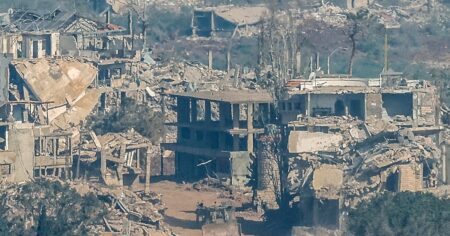
The conflict in the Middle East has taken a devastating turn with reports emerging that a vital water desalination plant on Iran’s Qeshm Island has been knocked offline following what Iranian media describes as an Israeli or U.S. airstrike. This development represents a significant escalation in the ongoing tensions, as the facility provides all drinking water for the island’s approximately 150,000 residents. According to Iranian government-affiliated Borna News, officials from the Ministry of Health’s Environmental and Labor Health Center confirmed that repairs cannot be completed in the short term, leaving the population facing a potential humanitarian crisis. The attack has drawn particular attention because desalination plants represent critical civilian infrastructure in a region where fresh water is scarce and these facilities are essential for everything from human consumption to agricultural irrigation.
The targeting of Qeshm Island’s desalination plant appears to align with recent threats made by President Trump, who warned just a day before the attack that the United States might target Iran’s electrical generating plants, oil wells, Kharg Island, and potentially all desalination facilities unless Iran agrees to end the conflict. The precision of this threat, followed so quickly by the attack, has raised concerns about the humanitarian implications of targeting water infrastructure. Unconfirmed reports also suggest that a power plant on the same island may have been hit, which isn’t surprising given that power and desalination facilities are often interconnected and interdependent. The vulnerability of such facilities has been further highlighted by Kuwait’s announcement that one of its own power and water desalination plants suffered serious damage from what was likely an Iranian drone attack, resulting in the death of a worker.
Regional Powers Caught in the Crossfire
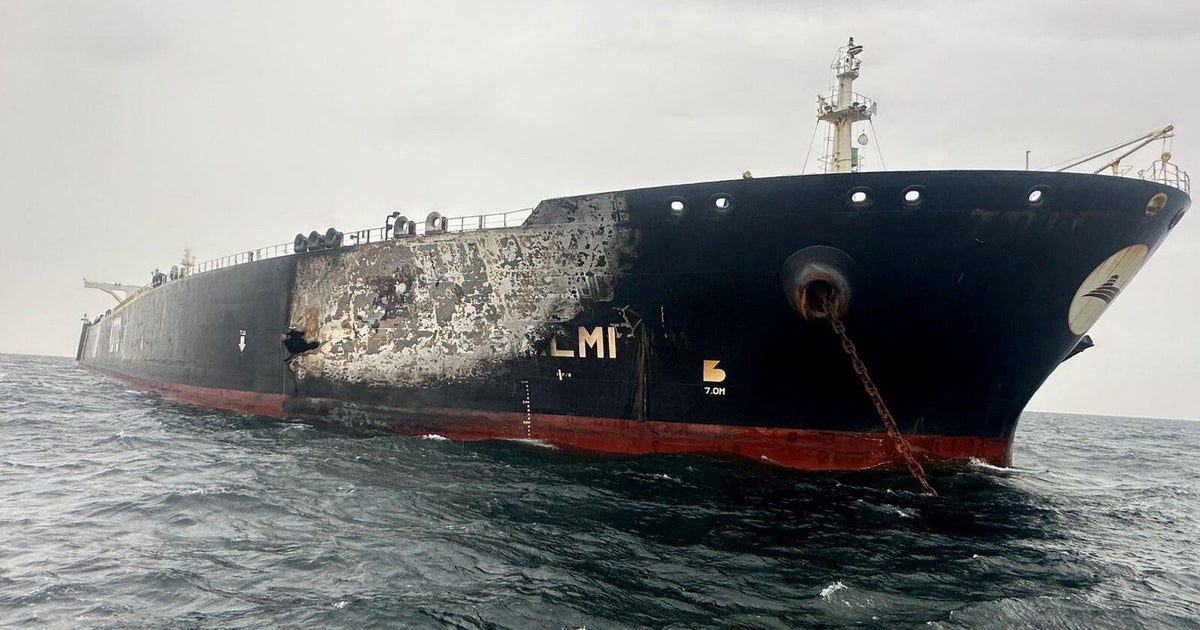
The conflict’s reach has extended beyond Iran’s borders, with Kuwait reporting that one of its oil tankers came under direct attack while docked at Dubai Port. The Kuwaiti state-owned oil company confirmed that the Very Large Crude Oil Carrier (VLCC) Al-Salmi was subjected to what they described as a “direct and malicious Iranian attack” while anchored in United Arab Emirates waters. The strike sparked a fire on the fully laden tanker, causing material damage to the ship’s hull and raising concerns about a potential oil spill in the surrounding waters. Fortunately, no injuries were reported, and Dubai’s specialized maritime firefighting units were deployed to suppress the blaze. This incident demonstrates how the conflict is affecting neutral parties and threatening vital economic infrastructure throughout the Persian Gulf region.
Kuwait has found itself increasingly vulnerable, with its military reporting that air defenses were actively responding to “hostile missile and drone attacks.” The country’s heavy reliance on desalination technology makes it particularly susceptible to the kind of infrastructure attacks that have characterized this conflict. According to the Center for Strategic and International Studies, Kuwait depends on desalination for 90 percent of its drinking water, operating at least half a dozen plants to meet this critical need. This dependency is common throughout the Persian Gulf states, where the scarcity of natural freshwater sources makes desalination plants not just important utilities but genuinely vital lifelines for entire populations. The targeting of such facilities, whether intentional or as collateral damage, represents a serious escalation that could have devastating humanitarian consequences for millions of people across the region.
Israel’s Assessment and Strategic Objectives
Israeli Prime Minister Benjamin Netanyahu has provided his own assessment of the military campaign’s progress, telling Newsmax in an interview that the war against Iran has achieved more than half of its objectives. While Netanyahu declined to provide a specific timeline for when hostilities might end, he clarified that his “beyond the halfway point” assessment referred to completed missions rather than a time-based projection. This statement suggests that Israel has a defined list of military objectives it intends to accomplish before considering the campaign complete. When questioned about plans to reopen the Strait of Hormuz, a critical shipping lane for global oil transport, Netanyahu acknowledged that military solutions are being pursued under U.S. leadership but declined to provide operational details, including whether American troops might be deployed to seize Kharg Island, Iran’s primary oil export terminal.
Looking toward a post-war settlement, Netanyahu floated an ambitious infrastructure proposal that would fundamentally reshape energy distribution in the Middle East. His vision involves diverting oil and gas pipelines from the Persian Gulf—where Iran maintains what he called a “geographic chokepoint”—across Saudi Arabia to the Red Sea, and then northward to Mediterranean ports in Israel. Such a project would represent a massive geopolitical and economic shift, potentially diminishing Iran’s strategic importance while strengthening Israel’s position as a regional energy hub. However, the feasibility of this plan depends not only on military outcomes but also on unprecedented levels of cooperation between Israel and Saudi Arabia, countries that don’t currently have formal diplomatic relations. The proposal does suggest that Israeli leadership is thinking beyond immediate military objectives toward long-term strategic realignment in the region.
Expanding Conflict and International Complications
The conflict has also intensified on other fronts, with the Israeli military confirming that four soldiers were killed in combat operations in southern Lebanon, where forces are engaged with the Iran-backed Hezbollah militant group. These casualties highlight that the confrontation with Iran isn’t limited to direct strikes against Iranian territory but encompasses a broader regional conflict involving Iran’s proxy forces throughout the Middle East. The situation in Lebanon has become particularly concerning for the international community following reports that U.N. peacekeepers have also become casualties. The U.N. mission in Lebanon confirmed that two Indonesian peacekeepers were killed when their vehicle was destroyed by “an explosion of unknown origin,” and two others were wounded. A third peacekeeper had been killed just days earlier.
The Israeli military has opened an investigation to determine whether its forces or Hezbollah were responsible for the peacekeepers’ deaths, but the incident has already prompted international outcry. France, which maintains significant historical and current ties to Lebanon, called for an urgent U.N. Security Council meeting to address the escalating violence and the deaths of neutral peacekeepers. The meeting was quickly scheduled, reflecting international alarm at how the conflict is expanding and affecting personnel who are supposed to be monitoring ceasefires and maintaining peace. The deaths of U.N. peacekeepers complicate the diplomatic landscape significantly, as they raise questions about the rules of engagement and the protection of international observers in conflict zones where multiple parties are operating simultaneously.
Nuclear Facilities and Strategic Targets
Perhaps the most alarming development has been the apparent U.S. strike on Isfahan, a central Iranian city that hosts nuclear facilities and is believed to house at least some of Iran’s stockpile of highly enriched uranium. President Trump shared video of the attack on social media, showing massive explosions illuminating the night sky over the city. Isfahan has been targeted before—it was one of three nuclear facilities struck by U.S. forces in June 2025—but this latest attack has raised concerns about the fate of nuclear material that Iran has been enriching to levels approaching weapons-grade purity. Intelligence analysts have been tracking Iran’s nuclear program closely, with satellite imagery suggesting that Tehran may have moved significant quantities of enriched uranium to underground storage facilities at Isfahan in anticipation of military strikes.
A satellite image captured just before the June conflict showed a truck loaded with 18 blue containers entering a tunnel at the Isfahan Nuclear Technology Center. According to François Diaz-Maurin, an analyst with the Bulletin of Atomic Scientists, the truck likely carried secured containers holding as much as 534 kilograms of uranium enriched to 60 percent purity—dangerously close to the 90 percent enrichment level needed for nuclear weapons. The Washington-based Institute for Science and International Security corroborated this assessment, suggesting the vehicle was indeed transferring highly enriched uranium to more secure storage. If this material was stored in underground facilities that have now been bombed, questions arise about whether it was destroyed, dispersed, or potentially compromised in ways that could pose environmental or proliferation risks. The targeting of nuclear facilities, even those involved in weapons development, carries inherent dangers that extend beyond immediate military objectives.
Behind-the-Scenes Diplomatic Pressure and Regional Power Dynamics
While public attention focuses on military strikes and casualty reports, significant diplomatic maneuvering is occurring behind closed doors. According to reports from multiple officials speaking on condition of anonymity, several of America’s Gulf allies—led by Saudi Arabia and the United Arab Emirates—are quietly urging President Trump to continue prosecuting the war against Iran rather than seeking an early settlement. This represents a notable shift from the beginning of the conflict when these same countries reportedly complained about inadequate advance notice of the U.S.-Israeli attacks and warned that the war would have devastating consequences for the entire region. Now, according to U.S., Gulf, and Israeli officials, representatives from Saudi Arabia, the UAE, Kuwait, and Bahrain have conveyed in private conversations that they don’t want military operations to end until there are significant changes in Iran’s leadership or a dramatic shift in Iranian behavior.
This push from Gulf nations for continued military pressure comes at a time when President Trump has been sending mixed signals about his intentions, alternating between claims that Iran’s leadership is ready to settle the conflict and threats of further escalation if a deal isn’t reached quickly. The Gulf states’ position reflects their long-standing concerns about Iranian influence throughout the region, from its support for Houthi rebels in Yemen to Hezbollah in Lebanon and various Shia militias in Iraq and Syria. They apparently view the current moment as a historic opportunity to fundamentally weaken Tehran’s ability to project power beyond its borders. However, this stance also reflects the complex reality that while these countries fear the humanitarian and economic consequences of prolonged conflict—including potential refugee flows, oil price volatility, and direct attacks on their own infrastructure—they may fear a powerful, unconstrained Iran even more. The situation illustrates how regional powers are attempting to shape U.S. policy to serve their strategic interests, even as their own populations face very real risks from the ongoing hostilities.