

Immigration Courts Drop Deportation Cases Against Pro-Palestinian Students
Secretary of State’s Foreign Policy Claims Fail to Meet Legal Standards
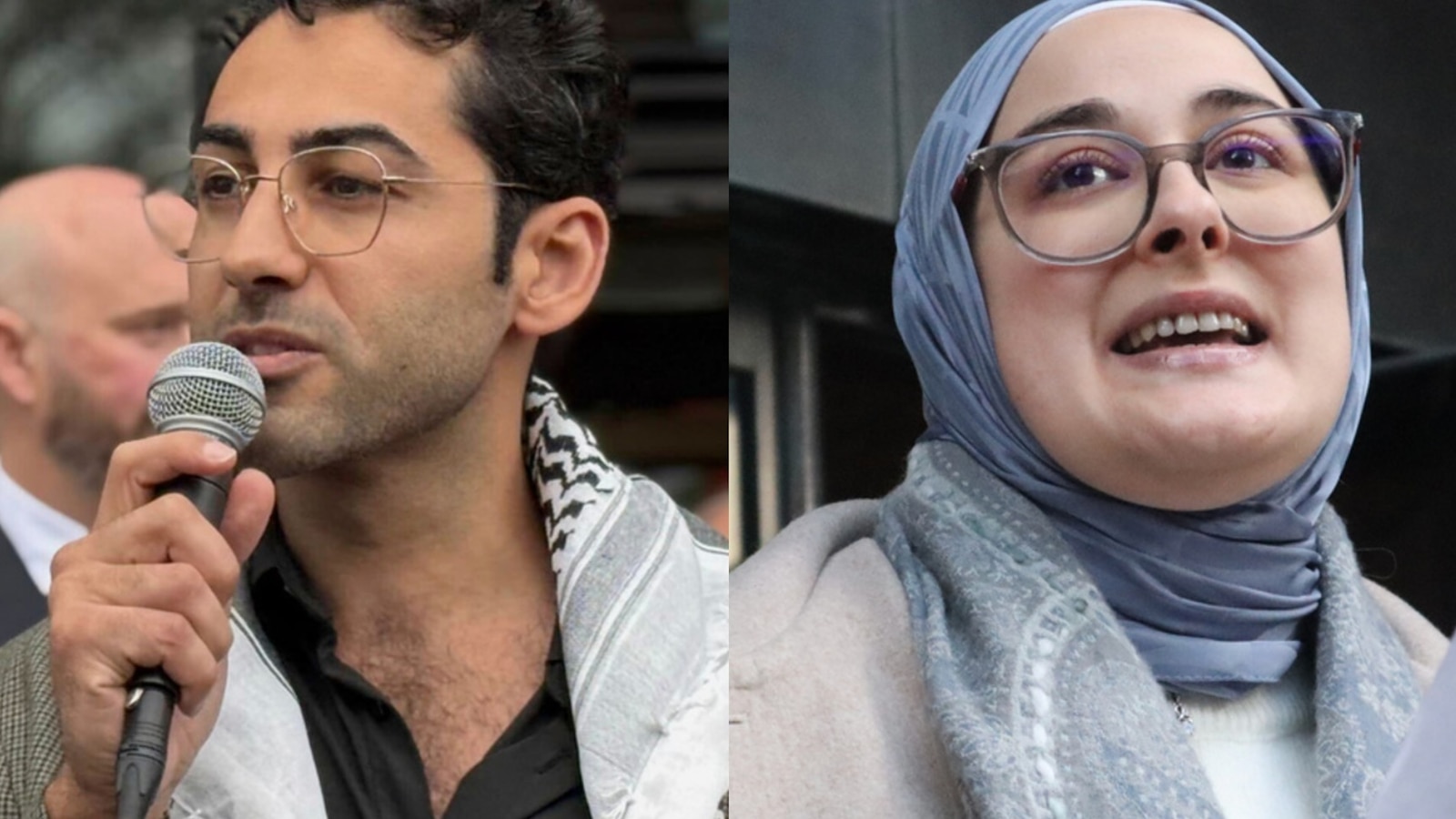
In a significant development that highlights the intersection of immigration law, free speech, and political activism, immigration courts have now terminated deportation proceedings against two prominent pro-Palestinian students within just over a week. Both students had been labeled as foreign policy threats by Secretary of State Marco Rubio, but judges found that the Department of Homeland Security failed to provide sufficient evidence to justify their removal from the United States. These decisions represent important victories for advocates of free speech and due process, though the cases may still face appeals from the Trump administration.
The most recent case involves Mohsen Mahdawi, a Columbia University student who was detained during what should have been a routine naturalization interview in April. Immigration Judge Nina Froes determined that the Department of Homeland Security “did not meet its burden of proving by clear and convincing evidence” that Mahdawi was removable from the country. This decision came shortly after similar proceedings were terminated against Rümeysa Öztürk, a Ph.D. student at Tufts University, whose attorneys announced the favorable ruling on February 9th. Both students had been caught up in what their legal representatives describe as a targeted campaign against individuals expressing pro-Palestinian viewpoints, raising serious questions about the government’s use of immigration enforcement to silence constitutionally protected speech.
The Cases Against the Students and Legal Findings
Judge Froes’s decision in Mahdawi’s case appears to have hinged on a critical procedural failure by the Department of Homeland Security. The judge found that DHS failed to properly authenticate a memorandum allegedly signed by Secretary Rubio that claimed Mahdawi posed a threat to U.S. foreign policy. This technical but important legal requirement serves as a safeguard against unfounded government claims. Mahdawi’s legal team has consistently argued that their client, like numerous other pro-Palestinian demonstrators, organizers, and students across the country, was being persecuted not for any legitimate security concern but for exercising his First Amendment rights to free speech and peaceful protest.
The government’s case against Mahdawi relied heavily on a decade-old FBI investigation from 2015, in which a gun shop owner alleged that Mahdawi had claimed to have built machine guns in the West Bank to kill Jews. However, this allegation never resulted in any criminal charges, and the FBI ultimately closed the investigation without taking action. A federal judge who had previously ordered Mahdawi’s release from detention specifically highlighted this fact, noting the absence of any actual criminal conduct. Mahdawi and his attorneys have categorically denied that he ever made threats against Israelis or Jewish people. Speaking to ABC News, Mahdawi explained that his activism has been focused on advocating for peace and protesting the war in Gaza, stating: “So for them to accuse me of this is not going to work, because I am a person who actually has condemned antisemitism. And I believe that the fight against antisemitism and the fight to free Palestine go hand in hand, because, as Martin Luther King said, injustice anywhere is a threat to justice everywhere.”
Parallel Case and Pattern of Targeting
Öztürk’s case followed a remarkably similar pattern, further suggesting a coordinated effort to use immigration enforcement against vocal critics of U.S. policy regarding Israel and Palestine. She was detained in March by masked federal agents in an arrest that was captured on camera, creating dramatic footage that drew widespread attention to her case. Like Mahdawi, she was also labeled a foreign policy risk in a memo bearing Secretary Rubio’s name. Her attorneys argued that she was specifically targeted for her pro-Palestinian advocacy, particularly for co-authoring an opinion piece in the Tufts student newspaper in March 2024 that called on the university’s administration to “acknowledge the Palestinian genocide” and take concrete steps in response. A federal judge ordered her release in May, and now the immigration court has terminated the removal proceedings entirely.
In her statement following the termination of her case, Öztürk expressed both relief and acknowledgment of the broader issues at stake: “Today, I breathe a sigh of relief knowing that despite the justice system’s flaws, my case may give hope to those who have also been wronged by the U.S. government. Though the pain that I and thousands of other women wrongfully imprisoned by ICE have faced cannot be undone, it is heartening to know that some justice can prevail after all.” Her words reflect not only her personal experience but also solidarity with the many immigrants, particularly women, who face detention by Immigration and Customs Enforcement, often under questionable circumstances and in conditions that have been widely criticized by human rights organizations.
Government Response and Ongoing Legal Battles
The Department of Homeland Security has shown no signs of backing down from its position, despite these judicial setbacks. In response to requests for comment about both cases, DHS issued a statement that framed the issue in starkly different terms than the courts have: “It is a privilege to be granted a visa or green card to live and study in the United States of America. When you advocate for violence, glorify and support terrorists that relish the killing of Americans, and harass Jews, that privilege should be revoked, and you should not be in this country. No activist judge, not this one or any other, is going to stop us from doing that.” This aggressive language, which dismisses federal judges as “activist,” signals that the administration views this as a political battle rather than simply a legal matter.
The characterization of the judges as “activist” is particularly notable, as it suggests the administration is prepared to continue pursuing these cases despite unfavorable rulings. Indeed, both cases can still be appealed by the Trump administration, meaning the legal battles are far from over. The students’ habeas corpus petitions, which challenge the legality of their detention, will likely continue to proceed through federal court even as the immigration proceedings have been terminated. This creates a complex legal landscape where victories in immigration court may not represent final resolutions, and students like Mahdawi and Öztürk may continue to face uncertainty about their immigration status for months or even years to come.
Broader Implications for Free Speech and Immigration Enforcement
These cases have sparked intense debate about the appropriate boundaries between immigration enforcement and the protection of constitutional rights, particularly freedom of speech. Mahdawi’s statement following the court’s decision captured the significance many see in these rulings: “I am grateful to the court for honoring the rule of law and holding the line against the government’s attempts to trample on due process. This decision is an important step towards upholding what fear tried to destroy: the right to speak for peace and justice.” He added: “In a climate where dissent is increasingly met with intimidation and detention, today’s ruling renews hope that due process still applies and that no agency stands above the Constitution.”
Civil liberties advocates and immigration rights organizations have pointed to these cases as examples of a troubling pattern in which the government uses the immigration system to punish people for their political viewpoints. While non-citizens do not enjoy all the same constitutional protections as citizens, they are still entitled to due process and certain fundamental rights while in the United States. The government’s apparent use of vague “foreign policy” concerns to bypass normal evidentiary standards has raised alarms among legal experts who warn that such tactics could be expanded to target other unpopular viewpoints or political movements. The fact that immigration judges have now twice found the government’s evidence insufficient in high-profile cases involving pro-Palestinian students suggests that the courts may serve as an important check on executive overreach, even in an area of law where the government traditionally has broad discretion. As these cases continue to unfold, they will likely shape both immigration law and the boundaries of political speech for years to come, serving as test cases for how far the government can go in using immigration enforcement as a tool for silencing dissent.