
Former FBI Agent Leaves Justice Department After Failed Mission to Expose Jan. 6 Prosecution “Abuses”
A Controversial Return to Government Service
In a surprising turn of events that highlights the ongoing political tensions surrounding the January 6th Capitol riot, Jared Wise, a former FBI agent who faced criminal charges for his alleged participation in the attack, has announced his departure from the Justice Department. Wise, who had been brought back into government service during the Trump administration’s second term, took to social media platform X on Thursday to share his decision with the public. His resignation came on the same day that President Trump made dramatic changes to the Justice Department’s leadership, removing Attorney General Pam Bondi and replacing her with Deputy Attorney General Todd Blanche in an acting capacity. Wise’s brief stint at the Justice Department represents one of the most controversial personnel decisions of the administration, raising questions about the appropriate vetting of government officials and the blurred lines between political loyalty and professional qualifications in federal law enforcement agencies.
From FBI Agent to Capitol Riot Defendant
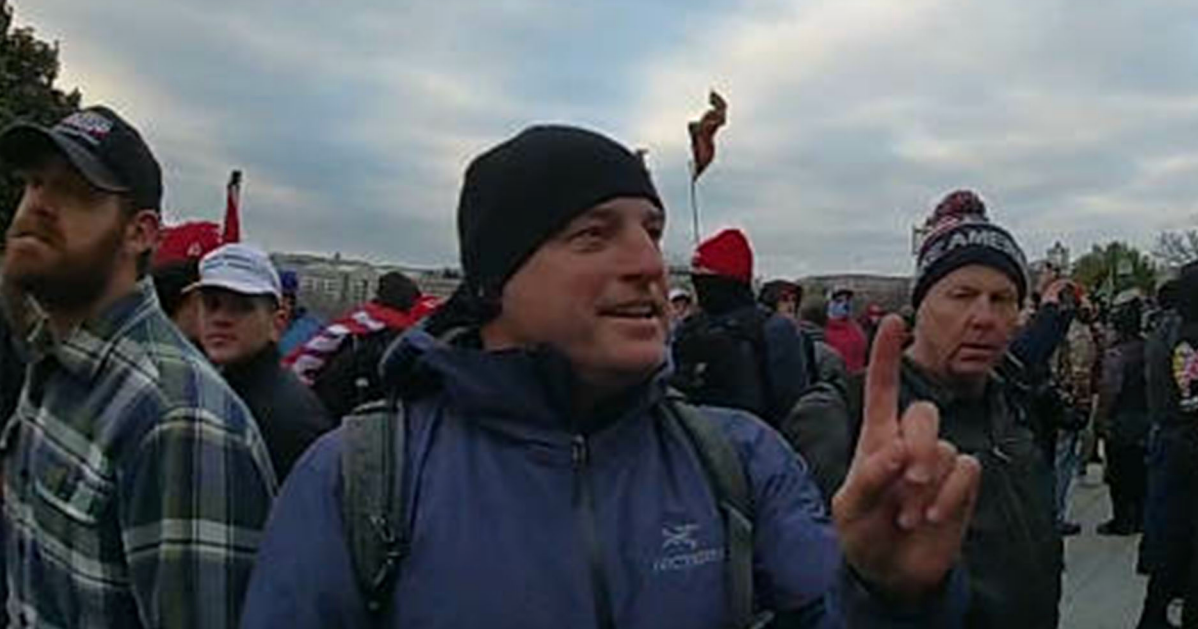
Jared Wise’s journey from respected federal agent to criminal defendant is a story that encapsulates the deep divisions that emerged in American society following the 2020 election. Wise served honorably as an FBI agent and later as a supervisory agent from 2004 until 2017, spending more than a decade protecting national security and enforcing federal law. However, his post-FBI life took a dramatic turn when he allegedly participated in the January 6, 2021, attack on the U.S. Capitol. According to prosecutors, Wise didn’t simply attend the rally that day—he actively encouraged violence against law enforcement officers, allegedly shouting “Yeah, kill ’em!” to the crowd gathered outside the Capitol building. He was also accused of entering the Capitol itself during the breach. The charges against him were serious: felony counts of civil disorder and assaulting, resisting, or impeding certain officers, along with four additional misdemeanor charges. These allegations painted a picture of someone who had completely abandoned the law enforcement principles he once upheld, instead becoming part of a mob that threatened the peaceful transfer of power and endangered the lives of his former colleagues in law enforcement.
A Presidential Pardon and Rapid Rehabilitation
Wise’s legal troubles came to an abrupt end when President Trump issued a sweeping pardon on the first day of his second term in office. This pardon covered Wise along with nearly 1,600 other individuals charged in connection with the January 6th events, representing one of the most extensive uses of presidential clemency power in American history. Remarkably, Wise received his pardon while his trial was still underway, cutting short the legal process that would have determined his guilt or innocence in a court of law. The pardon immediately transformed Wise’s status from criminal defendant to potential government employee, and the Trump administration quickly moved to bring him into the Justice Department fold. He was appointed as a counselor to Ed Martin, who served as the department’s pardon attorney and had previously led the controversial Weaponization Working Group. This working group was established to investigate alleged abuses by federal law enforcement and intelligence agencies, particularly focusing on investigations and prosecutions that Trump and his allies believed were politically motivated. Wise’s hiring represented a remarkable reversal of fortune and signaled the administration’s willingness to embrace individuals who shared their narrative about January 6th being overcharged or unfairly prosecuted.
Behind-the-Scenes Tensions and Unfulfilled Missions
According to sources familiar with the internal dynamics at the Justice Department, Wise’s time in government service was marked by friction and frustrated expectations. He was reportedly involved in drafting a report examining the prosecutions of January 6th defendants, presumably with an eye toward identifying what he and his allies viewed as prosecutorial overreach or misconduct. However, this report never materialized publicly, and it remains unclear whether it will ever see the light of day. The tensions weren’t limited to Wise’s work; his supervisor, Ed Martin, reportedly clashed with staff members working for Deputy Attorney General Todd Blanche. These conflicts apparently stemmed from frustrations over what Blanche’s team perceived as insufficient progress on the work of the Weaponization Working Group. In his resignation announcement on X, Wise expressed his disappointment plainly: “I returned to Washington to fully expose the abuses by the FBI and DOJ against J6 defendants, but it became clear that this will only happen from outside of government. So I left and will do so.” This statement suggests that Wise encountered obstacles—whether bureaucratic, political, or evidential—that prevented him from accomplishing what he saw as his mission. His decision to leave and continue this work from outside government indicates either that he was unable to find the evidence he sought, that he faced resistance from career officials, or that the political environment within the Justice Department didn’t provide the support he expected.
Congressional Criticism and Law Enforcement Concerns
Wise’s appointment to the Justice Department didn’t go unnoticed or unchallenged by members of Congress, particularly Democrats who viewed his hiring as deeply problematic. Senator Dick Durbin of Illinois, a senior member of the Senate Judiciary Committee, didn’t mince words in his assessment, calling Wise’s employment “a slap in the face to law enforcement everywhere.” This criticism reflected broader concerns about the message sent when someone accused of encouraging violence against police officers is given a position of authority within the very department responsible for prosecuting such crimes. The controversy highlighted fundamental questions about accountability, the rule of law, and whether presidential pardons should automatically restore individuals to positions of public trust. For many in the law enforcement community, Wise’s case represented a troubling precedent. Police officers and federal agents who defended the Capitol on January 6th suffered physical injuries, psychological trauma, and in some cases, long-term disability as a result of the attack. Seeing someone accused of encouraging that violence brought into the Justice Department felt like a betrayal of those who had risked their lives that day. The situation also raised questions about the vetting process for political appointees and whether sufficient consideration was given to how such appointments would affect morale among career law enforcement professionals who continue to serve regardless of which party controls the White House.
The Broader Context and Ongoing Implications
Jared Wise’s brief tenure at the Justice Department and his subsequent resignation represent more than just one controversial personnel decision—they symbolize the ongoing battle over the narrative and legacy of January 6th. For President Trump and his allies, many of those charged in connection with the Capitol attack have been victims of a politicized justice system that overcharged protesters and treated them more harshly than participants in other demonstrations. From this perspective, bringing someone like Wise into the Justice Department made sense as part of an effort to correct what they saw as past injustices. However, for many others, including law enforcement officers, prosecutors, judges, and a substantial portion of the American public, January 6th represented a serious attack on democratic institutions that resulted in injuries to police officers, damage to the Capitol, and a temporary disruption of the constitutional process for certifying electoral votes. From this viewpoint, Wise’s hiring appeared to reward someone accused of serious crimes rather than holding him accountable. As Wise now promises to continue his mission from outside government, the question remains: what exactly will he seek to expose, and will he find an audience receptive to his claims? The timing of his departure, coinciding with the replacement of Attorney General Bondi with Acting Attorney General Blanche, suggests that the internal politics of the Justice Department remain turbulent. Whether Wise’s resignation represents his own choice to pursue his goals through different means or reflects pressure from within the department remains unclear. What is clear is that the January 6th prosecutions, pardons, and their aftermath will continue to generate controversy and debate for years to come, serving as a touchstone for broader arguments about justice, accountability, and the appropriate use of executive power in American democracy.