


Bill Maher to Receive Mark Twain Prize Despite White House Controversy
A Prestigious Honor Amid Political Turbulence
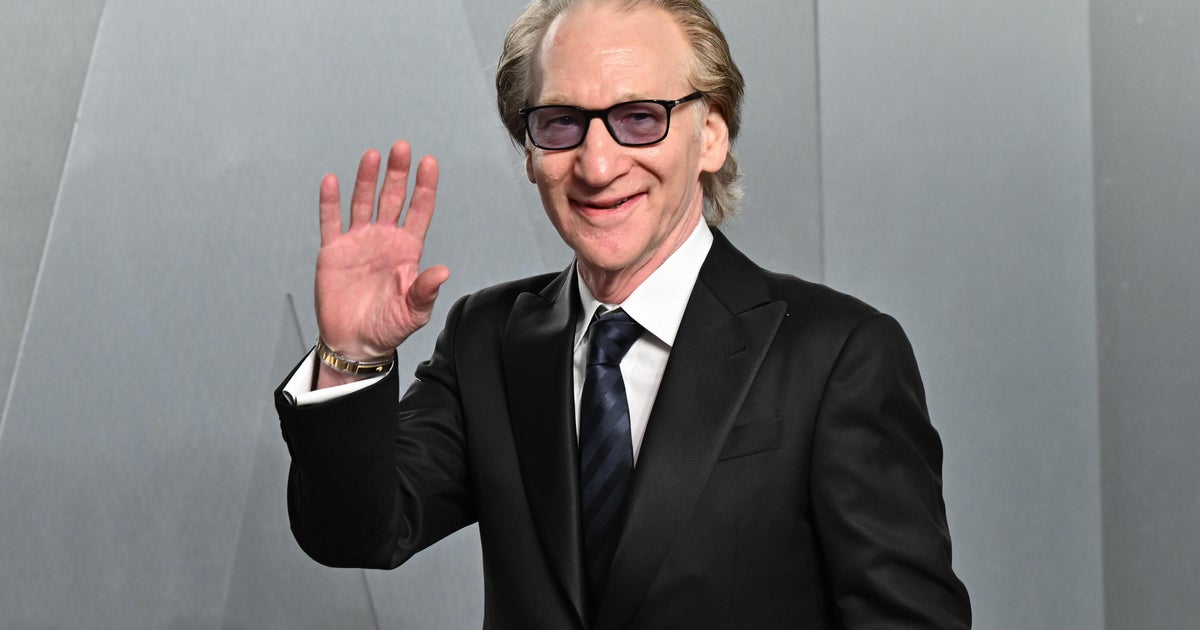
In a decision that has sparked considerable conversation and controversy, the Kennedy Center for the Performing Arts announced this Thursday that Bill Maher, the longtime television host, comedian, and political satirist, will be awarded the 27th Mark Twain Prize for American Humor. This prestigious recognition comes at a particularly interesting moment in American politics, as the announcement follows closely on the heels of the White House dismissing earlier reports of Maher’s selection as “fake news.” The ceremony is scheduled to take place on June 28th, marking a significant milestone in Maher’s nearly three-decade career of pushing boundaries and challenging conventional thinking through comedy. The timing is also noteworthy as it will occur just before the Kennedy Center closes its doors for an extensive two-year renovation period, making this one of the final major events at the historic venue before its temporary closure.
Maher’s Reaction and the Mark Twain Legacy
With characteristic wit and self-awareness, Bill Maher responded to the honor by acknowledging the fitting nature of receiving an award named after one of America’s most controversial literary figures. “It’s humbling to get anything named for a man who’s been thrown out of as many school libraries as Mark Twain,” Maher quipped, drawing a parallel between himself and the 19th-century author whose works have frequently been challenged and banned throughout American history. This comparison is particularly apt, as both men have built their legacies on speaking uncomfortable truths, challenging social norms, and refusing to shy away from controversial subjects. The Mark Twain Prize itself was established in 1998 to honor individuals who have made a significant impact on American society through humor in the same spirit as Samuel Clemens, better known by his pen name Mark Twain. The Kennedy Center describes the award as recognizing those who have influenced American culture in ways similar to how Twain shaped the literary and social landscape of his era through satire, social commentary, and fearless observation of human nature.
A Complicated Relationship with the White House
The story of Maher receiving this award is further complicated by his complex relationship with President Trump and the current administration. While Maher has been consistently critical of the president throughout his career on HBO’s “Real Time with Bill Maher,” he surprisingly attended a private dinner at the White House in March 2025, suggesting a more nuanced dynamic than simple opposition. However, President Trump has made his feelings about the comedian abundantly clear, posting on social media last month that “it was a total waste of time for me to have this jerk at the White House.” This public criticism from the president adds another layer of intrigue to the Kennedy Center’s decision, particularly given that the institution’s board is reportedly populated with individuals who are allies of the current administration. The tension between honoring a frequent critic of the president while the venue’s leadership maintains ties to the administration highlights the complicated intersection of art, politics, and institutional independence in contemporary America.
The “Fake News” Controversy
Perhaps the most unusual aspect of this story is the White House’s initial response to reports of Maher receiving the award. When The Atlantic first broke the news of Maher’s selection, White House press secretary Karoline Leavitt quickly moved to contradict the report, telling multiple news outlets, “This is fake news. Bill Maher will NOT be getting this award.” The White House communications director doubled down on this denial, posting on X (formerly Twitter) on March 20th that the story was “literally FAKE NEWS,” with the capitalization presumably intended to emphasize the administration’s certainty about the report’s falseness. The subsequent official announcement from the Kennedy Center, however, proved these White House statements incorrect, creating an awkward situation where the administration was caught spreading misinformation about a cultural institution whose board includes presidential allies. This episode raises questions about the communication between the Kennedy Center and the White House, and whether the administration was genuinely uninformed about the decision or was attempting to prevent or discourage it through public pressure.
Celebrating Three Decades of Influential Comedy
Roma Daravi, the Kennedy Center’s vice president of public relations, framed the award in the context of both Maher’s long career and the prize’s distinguished history. “For nearly three decades, the Mark Twain Prize has celebrated some of the greatest minds in comedy,” Daravi stated, before adding, “For even longer, Bill has been influencing American discourse — one politically incorrect joke at a time.” This characterization acknowledges what has perhaps been Maher’s most defining characteristic throughout his career: his willingness to challenge political correctness from various angles, often frustrating people across the political spectrum. Unlike comedians who align neatly with one political party or ideology, Maher has built his reputation on being an equal-opportunity offender, criticizing both liberals and conservatives when he believes they deserve it. His show “Politically Incorrect,” which aired from 1993 to 2002, essentially invented the format of using comedy and panel discussions to dissect current events, and his subsequent HBO program “Real Time with Bill Maher” has continued this tradition since 2003, making him one of the most enduring voices in political comedy.
The Significance of This Cultural Moment
The selection of Bill Maher for the Mark Twain Prize in 2025 represents more than just recognition of one comedian’s career; it reflects the current state of American discourse and the role of satire in a deeply polarized society. Previous recipients of the award have included comedy legends such as Richard Pryor, Jonathan Winters, Carl Reiner, Whoopi Goldberg, Billy Crystal, Tina Fey, and Dave Chappelle, among others. Each selection has, in its own way, captured something about the era in which it was made. Maher’s recognition comes at a time when the boundaries of acceptable speech are being hotly contested, when political divisions seem insurmountable, and when the very concept of shared truth is under assault. By honoring someone who has made a career of refusing to respect sacred cows on any side of political debates, the Kennedy Center is making a statement about the value of irreverent, challenging comedy in American life. Whether one agrees with Maher’s particular viewpoints or not, his selection affirms that humor can and should interrogate power, question orthodoxies, and make people uncomfortable in service of deeper truths. As America faces the challenges of the coming years, the voice of the satirist—uncomfortable, provocative, and necessary—remains as relevant as it was in Mark Twain’s time, reminding us that sometimes the most important role comedy can play is holding up a mirror that reflects who we really are, rather than who we pretend to be.