


Lebanon’s Hidden Crisis: Displacement, Discrimination, and the Struggle for Dignity
A Family’s Choice: Tent Life Over Humiliation
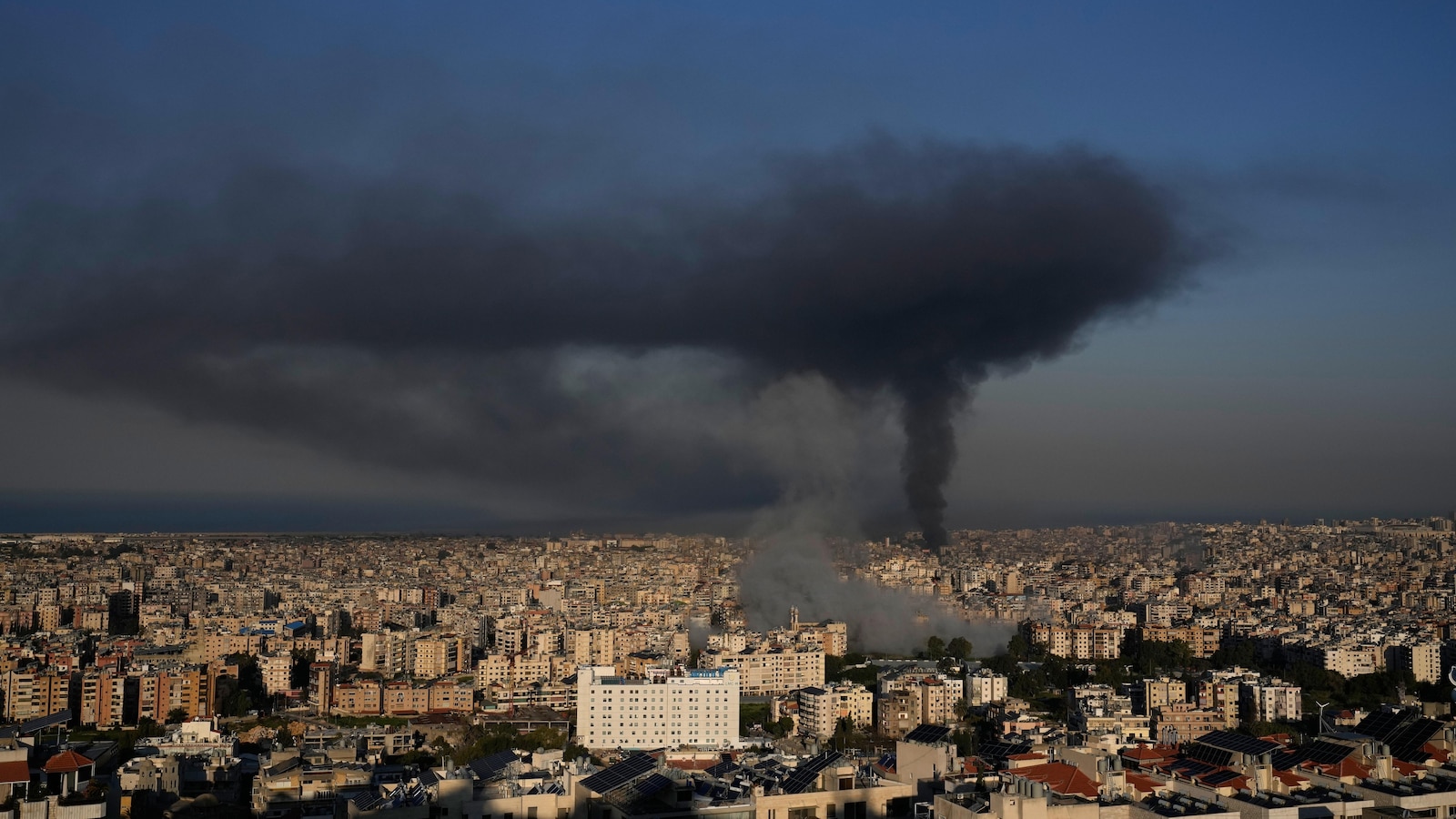
When Israeli bombardments forced Hussein Shuman to flee Beirut’s southern suburbs in early March, he faced a heartbreaking choice that revealed deep fissures in Lebanese society. The 35-year-old perfume company worker could have sought refuge in areas considered “safe” from the Israel-Hezbollah conflict, but instead chose to pitch a tent in central Beirut for himself, his wife, and their two young children. This wasn’t a decision made lightly or out of desperation—it was a deliberate choice to preserve his family’s dignity. In neighborhoods where Hezbollah has no presence, Shuman and other Shiite Muslims like him feel unwelcome, viewed with suspicion as potential militants, and exploited by landlords charging astronomical prices. He even turned down a generous offer from a friend in the Christian mountain town of Zgharta, preferring his modest tent despite it flooding twice in two weeks. Sitting near his tent while receiving an open-air haircut, Shuman explained his reasoning simply: “By staying here I have my dignity and respect. We will not stay in a place where we are going to be humiliated.” His story represents just one family among more than one million displaced people—predominantly Shiite—who find themselves trapped between violence and discrimination, struggling to find sanctuary in their own country.
The Price of Suspicion: Economic Exploitation and Security Screenings
The displacement crisis has exposed harsh realities about sectarian divisions in Lebanon, with economic exploitation becoming a weapon of discrimination. Landlords in Christian areas either refuse outright to rent to Shiite families or impose financial demands that amount to extortion. Fatima Zahra, a 42-year-old woman from Beirut’s southern suburbs, described having to sell her finest jewelry—precious items likely holding sentimental value beyond their monetary worth—to scrape together the $5,000 demanded upfront for just two months’ rent. This wasn’t an isolated incident but part of a broader pattern where displaced families are forced to liquidate their assets at desperate prices simply to secure temporary housing. In some Beirut neighborhoods, even families who can afford inflated rents face additional hurdles: landlords insist on reporting them to security agencies to investigate possible Hezbollah connections before allowing them to move in. This creates an atmosphere where displacement isn’t just a humanitarian crisis but a gauntlet of suspicion and financial exploitation. The situation reveals how vulnerability can be weaponized, with landlords capitalizing on desperate circumstances to demand extraordinary payments from people who have already lost their homes and sense of security. These practices turn what should be acts of solidarity into transactions marked by prejudice and profiteering.
Historical Wounds Reopened: Lebanon’s Sectarian Legacy
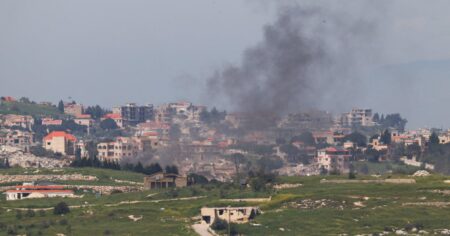
Understanding the current crisis requires acknowledging Lebanon’s painful history of sectarian conflict. The country endured a devastating 15-year civil war that ended in 1990, a conflict that largely split along religious and sectarian lines, leaving deep scars that have never fully healed. This history makes sectarian tensions an extraordinarily sensitive issue, one that Lebanese society has struggled to address honestly even in peacetime. The current displacement crisis has poured salt into these old wounds, with social frictions intensifying after Israel’s targeted airstrikes killed Hezbollah officials or members of Iran’s Revolutionary Guard in predominantly Christian, Sunni, and Druze areas. These strikes have amplified fears among host communities that Hezbollah members are deliberately hiding within civilian populations, potentially making anyone who shelters them a target. The Lebanese population remains deeply divided over Hezbollah’s conflicts with Israel, with many citizens—particularly from non-Shiite communities—blaming the Iran-backed group for dragging the entire nation into a deadly conflict. The statistics tell a grim story: more than 1,200 people dead and over 3,000 wounded, with Hezbollah having fired missiles into Israel just two days after the U.S. and Israel attacked Iran on February 28, triggering the ongoing regional war. This renewed conflict has caused widespread destruction and further paralyzed an economy still reeling from the historic economic crisis that began in late 2019, and the country has not yet recovered from the previous Israel-Hezbollah war in 2024.
When Neighborhoods Become Battlegrounds: The Cycle of Violence and Blame
The fear driving discrimination isn’t entirely abstract—several incidents have transformed it into tangible panic. In mid-March, an Israeli airstrike on an apartment in the town of Aramoun killed three people, prompting immediate calls from local residents for all displaced people to leave the area. Days later, another strike on nearby Bchamoun killed three people, including a four-year-old girl, who had fled from Beirut’s southern suburbs. Israel didn’t announce the intended targets in either case, but neighbors immediately assumed someone in the targeted apartments must have been a Hezbollah member. At the Bchamoun scene, an angry apartment owner expressed the prevailing sentiment: “Had we known that they were linked to Hezbollah, we would have kicked them out.” The situation escalated further in late March when a missile exploded over the predominantly Christian Keserwan region north of Beirut. Though the Lebanese army later identified it as an Iranian missile passing over Lebanon, the initial assumption was an Israeli strike targeting displaced people. Despite no injuries, young men attacked displaced Shiites in the Haret Sakher district near Jounieh, demanding their eviction before local officials could intervene. One resident shouted his opposition to their presence, adding that some displaced people referred to their hosts as “Zionists” for criticizing Hezbollah’s role in the conflict, concluding: “We don’t want national coexistence.” These incidents reveal a vicious cycle where military strikes breed suspicion, suspicion breeds hostility, and hostility breeds violence against already vulnerable populations.
Community Responses: Between Preservation and Paranoia
Local authorities have scrambled to manage the crisis and prevent sectarian violence from spiraling out of control. George Saadeh, a member of Jounieh’s municipal council, urged Haret Sakher residents to avoid reactive violence “so that we can preserve civil peace”—a telling phrase that acknowledges how fragile that peace has become. In a predominantly Christian area north of Beirut, plans to house displaced people in an abandoned warehouse near the port were suspended last week after facing backlash from both lawmakers and residents. Maha Yahya, director of the Beirut-based Carnegie Middle East Center, diagnosed the underlying problem: “The Israeli targeting campaign has created a lot of paranoia. If you see a displaced person, maybe you wonder, ‘What if this person is a target?'” This paranoia has transformed displaced individuals from people needing help into potential threats in the eyes of their countrymen. Recognizing that tensions could explode, the army has significantly increased its street presence. Army commander Gen. Rudolphe Haikal toured Beirut and the southern city of Sidon on Friday, instructing troops to be “firm in the face of any attempt to undermine internal stability.” Police forces, including SWAT units, now occupy major intersections in the capital to maintain peace and prevent friction between displaced populations and locals. Even the tent city where the Shuman family shelters receives regular police patrols—a reminder that they require protection even in their vulnerability.
Navigating an Impossible Situation: Segregation as Harm Reduction
The responses to the displacement crisis have sometimes taken disturbing forms in attempts to maintain peace. An official from the predominantly Sunni town of Naameh, south of Beirut, described receiving thousands of displaced people from southern Lebanon. To avoid tensions, they made a controversial decision: opening one school for displaced Shiites in one district and another school for displaced Sunnis from border villages in a different neighborhood. This de facto segregation—separating people by sect to prevent conflict—represents both pragmatic crisis management and a troubling acknowledgment that coexistence cannot be taken for granted. The official, speaking anonymously because he lacked authorization to speak to media, admitted plainly: “There are concerns among people” that conflict could break out. Perhaps most controversially, U.S. ambassador to Lebanon Michel Issa, a Lebanese-American, faced criticism for potentially stoking sectarianism when he told reporters in late March that the U.S. had asked Israel for a commitment not to attack Christian villages in southern Lebanon. “We have asked the Israelis to leave Christian villages in the south alone and they told us that they will not touch Christian villages,” Issa explained, though he added the qualification that they “cannot guarantee” this “if there is infiltration into these villages” by Hezbollah members. Following these assurances, several Christian villages in southern Lebanon asked displaced Shiites who had sought shelter there to leave, fearing their presence might trigger Israeli attacks. Legislator Taymour Joumblatt, leader of the Progressive Socialist Party (the largest Druze-led political group in Lebanon), identified the core concern: “The most important thing is to reduce sectarian pressures on the ground. Our Shiite brothers are part of this country and our humanitarian duty is to help them.” His words attempt to reframe the crisis in humanitarian rather than sectarian terms, reminding his fellow citizens that displaced Shiites remain Lebanese citizens deserving of protection and assistance. Yet the very need for such reminders reveals how profoundly the conflict has fractured Lebanese society along lines many hoped had been buried with the civil war.