
Don Lemon Attends Grammy Awards Days After Release from Federal Custody
A High-Profile Appearance Following Legal Turmoil
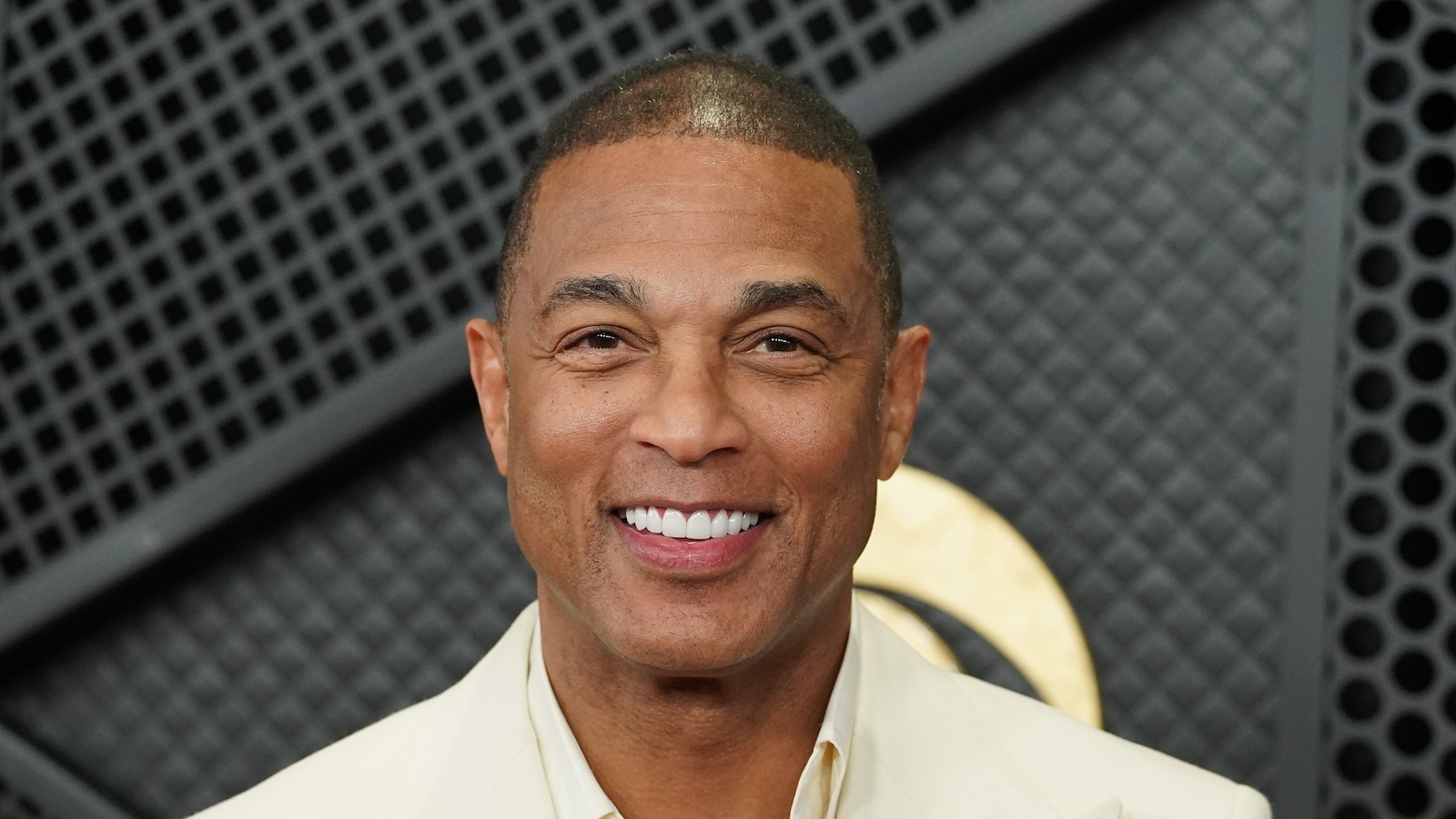
In a dramatic turn of events that highlights the ongoing tension between press freedom and federal enforcement, former CNN journalist Don Lemon made a striking appearance at the 2026 Grammy Awards in Los Angeles this past Sunday. Walking the red carpet at the Crypto.com Arena alongside his husband, Timothy Malone, Lemon projected an image of resilience and defiance just three days after being released from federal custody. The appearance came on the heels of his arrest in connection with his coverage of a controversial protest at a Minnesota church, an incident that has sparked intense debate about the boundaries of journalism, the right to protest, and religious freedom in America.
The timing of Lemon’s Grammy appearance was particularly notable given that he had been released on his own recognizance without bail just days earlier, on January 30th. A Los Angeles judge granted his release, allowing the veteran journalist to attend one of music’s biggest nights despite facing serious federal charges. The sight of Lemon on the red carpet served as a powerful statement about his determination to continue living his life and practicing his profession despite the legal challenges ahead. For many observers, his presence at the glamorous event underscored the surreal nature of the situation—a respected journalist who has spent decades covering the news now finding himself at the center of a major news story involving questions about constitutional rights and government overreach.
The Arrest and Charges That Shook the Journalism Community
Don Lemon’s legal troubles began when federal agents took him into custody while he was in Los Angeles to cover the Grammy Awards. According to his attorney, Abbe Lowell, and federal sources who spoke to ABC News, Lemon was arrested at a Beverly Hills hotel, a development that sent shockwaves through the journalism community. The arrest was connected to an incident that occurred nearly two weeks earlier, on January 18th, when protesters disrupted a church service at Cities Church in St. Paul, Minnesota. The federal indictment, which was unsealed on January 30th, charges Lemon and others with conspiracy against the rights of religious freedom and an attempt to injure while exercising religious freedom—serious federal offenses that could carry significant penalties.
The charges stem from Lemon’s presence at a protest where demonstrators entered Cities Church to voice their opposition to what they claimed was the church’s connection to Immigration and Customs Enforcement (ICE). The protesters specifically targeted the church because one of its pastors reportedly serves as the acting field director of the St. Paul ICE field office. Inside the church, protesters could be heard chanting “Justice for Renee Good,” apparently referring to a specific case or incident involving ICE enforcement. Lemon was present at the scene in his capacity as an independent journalist, documenting the events as they unfolded. He posted video footage to his Instagram account on January 18th that showed protesters chanting and yelling, as well as his interviews with both churchgoers who were disrupted and the protesters themselves. In the video, Lemon made a point of clarifying his role, stating explicitly, “We’re not part of the activists, but we’re here just reporting on them.”
The Government’s Aggressive Stance and Constitutional Questions
The decision to arrest and charge Don Lemon was made at the highest levels of the Justice Department. Attorney General Pam Bondi publicly stated on social media that Lemon, along with Minnesota-based journalist Georgia Fort and two others, were arrested “at my direction.” This direct involvement by the Attorney General in what many view as a press freedom case has raised eyebrows among civil liberties advocates and legal experts. At least three additional individuals had been previously arrested in connection with the protest at Cities Church, but the inclusion of journalists among those charged has been particularly controversial. Bondi emphasized the administration’s position with a forceful social media post declaring, “WE DO NOT TOLERATE ATTACKS ON PLACES OF WORSHIP,” signaling a zero-tolerance approach to protests that disrupt religious services, regardless of the participants’ roles or intentions.
This aggressive prosecutorial stance has ignited a fierce debate about the proper balance between protecting religious freedom and preserving the constitutional rights to free press and peaceful protest. Critics of the arrests argue that charging journalists for covering a news event sets a dangerous precedent that could have a chilling effect on investigative reporting and coverage of controversial protests. They point out that Lemon’s video evidence shows him clearly identifying himself as a journalist documenting events rather than participating in the disruption. Supporters of the government’s action, however, argue that the charges are appropriate given the disruption of a religious service and that being a journalist does not provide immunity from prosecution if one participates in or facilitates illegal activity. The case raises fundamental questions about where the line should be drawn between observing and participating, and whether the government can or should make such distinctions when bringing charges.
Lemon’s Defense and the First Amendment Battle Ahead
In brief but powerful remarks outside the courthouse following his release, Don Lemon made clear that he views his arrest as an attack on press freedom and the First Amendment. Standing before reporters—his former colleagues—Lemon stated that he was arrested for “something that I’ve been doing for the last 30 years, and that is covering the news.” His statement framed the case as a fundamental test of constitutional protections for journalism in America. Lemon emphasized his determination to continue his work despite the charges, declaring, “The First Amendment of the Constitution protects that work for me and for countless of other journalists who do what I do. I stand with all of them, and I will not be silenced. I look forward to my day in court.”
Lemon’s legal team, led by prominent attorney Abbe Lowell, who has represented high-profile clients in politically sensitive cases, is expected to mount a vigorous defense centered on First Amendment protections. The case will likely hinge on several key questions: Was Lemon merely documenting events as a journalist, or did his presence and actions somehow facilitate or encourage the disruption of the church service? Does the First Amendment protect journalists covering protests that may involve illegal activity? And can the government prove that Lemon conspired with protesters or intended to interfere with the religious freedom of churchgoers? These are not simple questions, and the answers could have far-reaching implications for how journalists cover protests, demonstrations, and civil unrest in the future. Legal experts have noted that the government will need to present evidence that Lemon did more than simply observe and document events—they will need to show he actively participated in or coordinated the disruption, which may prove difficult given his public statements and video evidence showing his role as a reporter.
Broader Implications for Press Freedom and Political Climate
The Lemon case is unfolding against a backdrop of heightened political tensions surrounding immigration enforcement, religious liberty, and the role of the press in American democracy. The incident at Cities Church reflects the deep divisions in American society over immigration policy, with protesters willing to disrupt religious services to draw attention to ICE enforcement actions they view as unjust, and government officials responding with aggressive prosecution to defend what they see as fundamental religious freedoms. The fact that journalists covering such protests can now face federal charges has sent a chill through newsrooms across the country, with many reporters and editors wondering whether covering controversial protests could expose them to similar legal jeopardy.
This case also represents a significant moment in Don Lemon’s career trajectory. Once a prominent anchor at CNN, Lemon has reinvented himself as an independent journalist in recent years, using social media and digital platforms to cover news stories from his own perspective. His arrest and the charges he faces have transformed him from a media personality into a symbol of the ongoing struggle between press freedom and government authority. As the case moves forward through the legal system, it will be closely watched not only by journalists and legal scholars but by anyone concerned about the health of democratic institutions and constitutional protections in America. The outcome could either reaffirm strong protections for journalists covering controversial events or establish new limitations on press freedom that could fundamentally change how news is gathered and reported in situations involving protests and civil disobedience. For now, Don Lemon’s appearance at the Grammy Awards serves as a reminder that despite the serious charges he faces, he remains unbowed and determined to continue the work that has defined his professional life.