


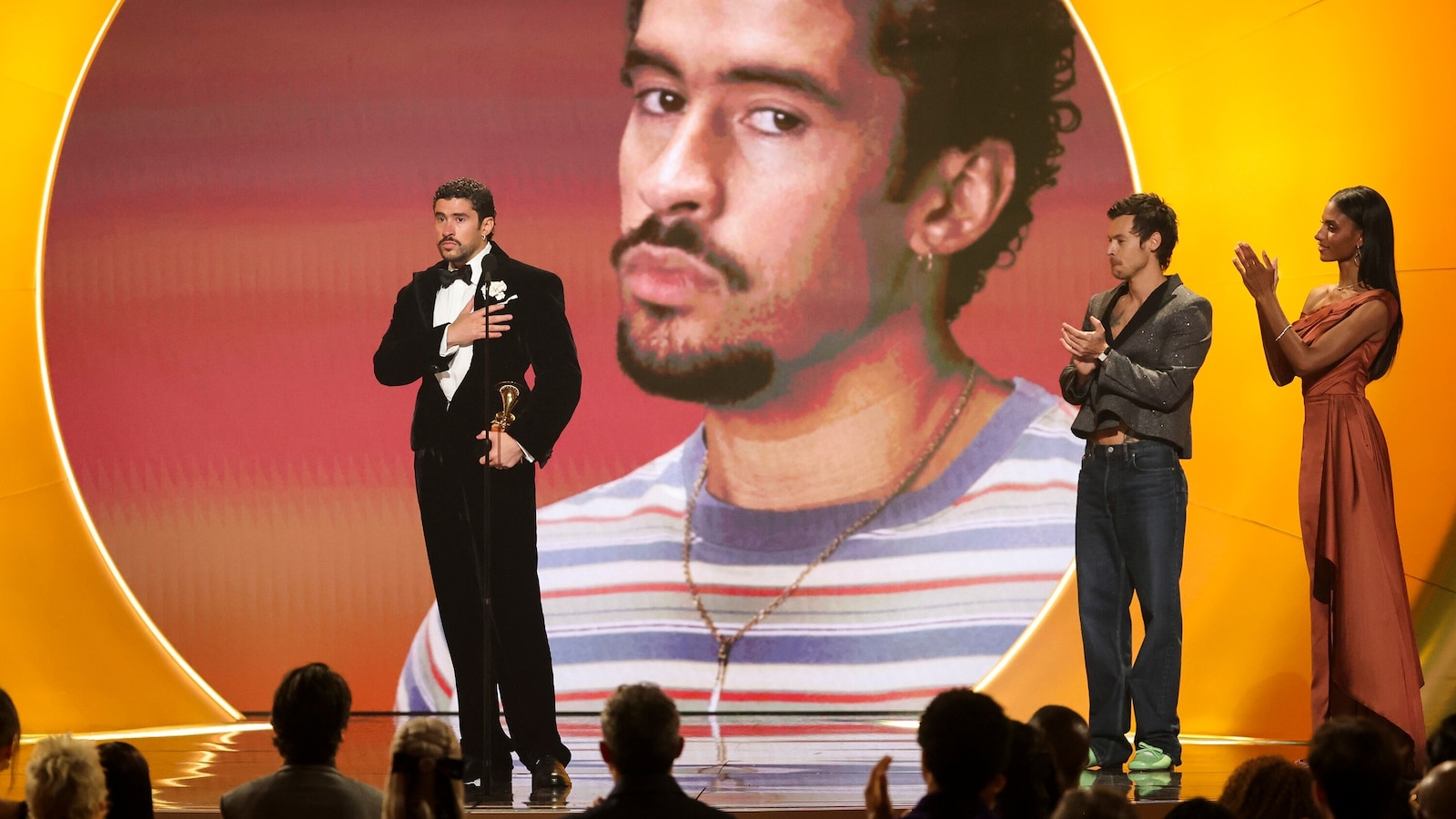

The 68th Grammy Awards: A Night of Celebration and Surprises
Major Winners Shine at Music’s Biggest Night
The 68th Grammy Awards delivered an unforgettable evening of celebration as the music industry’s brightest stars gathered to honor excellence in artistry and performance. Sunday night’s ceremony was filled with memorable moments, emotional acceptance speeches, and some surprising wins that had everyone talking. While numerous categories were announced throughout the live broadcast, the spotlight naturally gravitated toward the prestigious “Big Four” awards that represent the pinnacle of Grammy recognition. These top honors went to an impressive lineup of artists who have shaped the musical landscape over the past year, demonstrating the incredible diversity and talent currently thriving in the industry.
The evening’s biggest accolades painted a picture of music’s evolving landscape. Billie Eilish claimed the coveted Song of the Year award for “Wildflower,” adding another significant achievement to her already impressive collection of Grammy wins. The Record of the Year trophy went to “luther,” a powerful collaboration between Kendrick Lamar and SZA that showcased both artists’ exceptional talents. British singer-songwriter Olivia Dean emerged as the Best New Artist, a career-defining moment that introduces her to an even broader global audience. Perhaps most notably, Bad Bunny’s “DeBÍ TiRAR MáS FOToS” secured the Album of the Year honor, marking a historic moment for Latin music and cementing the Puerto Rican superstar’s position as one of music’s most influential figures. These wins reflected not just commercial success but also artistic innovation and cultural impact, qualities that the Recording Academy values when selecting its winners.
The Road to the Grammys: Leading Nominees
Heading into the 2026 Grammy Awards ceremony, anticipation was particularly high around several artists who had dominated the nomination announcements. Kendrick Lamar led the pack with an impressive nine nominations, reflecting the critical and commercial success of his recent work and his continued evolution as one of hip-hop’s most important voices. Following closely behind, Lady Gaga, producer Cirkut, and Jack Antonoff each received seven nominations apiece, highlighting their significant contributions to the year’s most memorable music. The nomination list also featured other prominent names including Sabrina Carpenter, whose breakthrough year earned her multiple nods across different categories, as well as Bad Bunny, Leon Thomas, and audio engineer Serban Ghenea.
These nominations represented months of work, creativity, and dedication from artists, producers, songwriters, and countless behind-the-scenes professionals who contribute to creating the music we love. The diversity of nominees showcased how varied and rich the current musical landscape has become, spanning genres from hip-hop and pop to Latin urban music and contemporary country. Each nomination told a story of artistic risk-taking, cultural relevance, and the ability to connect with audiences on a profound level. For many of these artists, simply being nominated represented validation of their artistic vision and hard work, while for others, it was another chapter in an already storied career filled with accolades and achievements.
Genre-Specific Triumphs and Recognition
Beyond the major categories, the Grammy Awards recognized excellence across numerous musical genres, with each category highlighting artists who have pushed creative boundaries and resonated with listeners. In the Best Rap Album category, Kendrick Lamar’s “GNX” took home the prize, competing against strong contenders including Clipse, Pusha T and Malice’s “Let God Sort Em Out,” GloRilla’s “GLORIOUS,” JID’s “God Does Like Ugly,” and Tyler, The Creator’s “CHROMAKOPIA.” This win further solidified Lamar’s position as one of the most critically acclaimed rappers of his generation, someone whose work consistently demonstrates lyrical sophistication, production innovation, and cultural commentary.
The Best Música Urbana Album category saw Bad Bunny triumph with “DeBÍ TiRAR MáS FOToS,” beating out fellow nominees including J Balvin’s “Mixteip,” Feid’s “FERXXO VOL X: Sagrado,” Nicki Nicole’s “NAIKI,” Trueno’s “EUB DELUXE,” and Yandel’s “SINFÓNICO — En Vivo.” This win, combined with his Album of the Year victory, represented a significant moment for Latin music’s continued mainstream recognition and global influence. In the contemporary country realm, Jelly Roll’s “Beautifully Broken” claimed Best Contemporary Country Album, competing against works from Kelsea Ballerini, Tyler Childers, Eric Church, and Miranda Lambert. Meanwhile, Lady Gaga’s “MAYHEM” secured the Best Pop Vocal Album award, adding to her remarkable collection of Grammy wins across her career. These category wins demonstrated how artists across all genres continue to innovate and create meaningful work that resonates with both critics and fans alike.
Performance and Collaboration Awards
The Grammy Awards also celebrated outstanding individual performances and collaborative efforts that defined the past year in music. In the Best Pop Solo Performance category, Lola Young’s “Messy” emerged victorious, triumphing over nominations for Justin Bieber’s “Daisies,” Sabrina Carpenter’s “Manchild,” Lady Gaga’s “Disease,” and Chappell Roan’s “The Subway.” This category highlighted how powerful solo vocal performances remain central to pop music’s appeal and artistic expression. The Best Pop Duo/Group Performance award went to Cynthia Erivo and Ariana Grande for “Defying Gravity,” beating out collaborations including HUNTR/X’s “Golden,” KATSEYE’s “Gabriela,” ROSÉ and Bruno Mars’ viral hit “APT,” and SZA’s collaboration with Kendrick Lamar on “30 For 30.”
In the R&B category, Kehlani’s “Folded” won Best R&B Performance, competing against strong entries from Justin Bieber, Chris Brown featuring Bryson Tiller, Leon Thomas, and Summer Walker. The Best Dance Pop Recording went to Lady Gaga for “Abracadabra,” while the Best Country Song honor was awarded to Tyler Childers for “Bitin’ List,” showcasing the songwriter’s ability to craft compelling narratives within the country music tradition. These wins across various performance categories underscored the importance of vocal excellence, artistic chemistry between collaborators, and the ability to create moments that transcend genre boundaries. They also highlighted how music continues to evolve through cross-genre experimentation and the willingness of artists to step outside their comfort zones to create something fresh and unexpected.
The Future of Grammy Broadcasting
An important announcement accompanying this year’s Grammy Awards concerns where fans will be able to watch future ceremonies. Beginning next year, the Grammy Awards will transition to an exclusive simulcast arrangement with ABC, Hulu, and Disney+. This significant shift in broadcasting strategy reflects the changing landscape of how audiences consume live entertainment and represents a major partnership between the Recording Academy and The Walt Disney Company, which serves as the parent company for all three platforms. This move aims to make the Grammy Awards more accessible to viewers across different viewing preferences, whether they prefer traditional television broadcasts or streaming platforms.
This broadcasting change signals the music industry’s adaptation to modern viewing habits, recognizing that audiences increasingly expect flexibility in how and when they watch major events. By partnering with Disney’s family of networks and streaming services, the Grammys position themselves to reach both traditional television audiences and younger, streaming-oriented viewers who might not have cable subscriptions. This strategic decision could potentially expand the Grammy Awards’ viewership and cultural impact, ensuring that music’s biggest night remains relevant and accessible to future generations of music fans. It also reflects broader trends in the entertainment industry, where major live events are increasingly being made available across multiple platforms simultaneously to maximize audience reach and engagement.
Celebrating Musical Excellence and Cultural Impact
The 68th Grammy Awards ultimately served as a powerful reminder of music’s ability to bring people together, spark conversations, and reflect the cultural moments that define our times. From Billie Eilish’s introspective songwriting to Bad Bunny’s genre-defying Latin trap and reggaeton, from Kendrick Lamar’s socially conscious hip-hop to Lady Gaga’s pop innovation, the winners represented a snapshot of contemporary music at its finest. The diversity of winners across genres, backgrounds, and artistic approaches demonstrated that excellence in music takes many forms and that the Recording Academy continues to recognize artistry that pushes boundaries and challenges conventions.
For emerging artists like Olivia Dean, winning Best New Artist represents a career-changing moment that can open doors to new opportunities, larger audiences, and greater creative freedom. For established stars adding to their Grammy collections, each win validates their continued relevance and artistic evolution. Beyond the awards themselves, the Grammy ceremony provides a platform for unforgettable performances, important cultural statements, and moments of genuine emotion that remind us why music matters so deeply to so many people. As we look ahead to future Grammy ceremonies on their new broadcasting platforms, one thing remains certain: the celebration of musical excellence will continue to evolve while honoring the artistry, dedication, and creativity that make music such an essential part of the human experience.