


Florida’s Spring Break Crisis: When Social Media Flash Mobs Turn Dangerous
The Growing Problem of Unauthorized Beach Takeovers
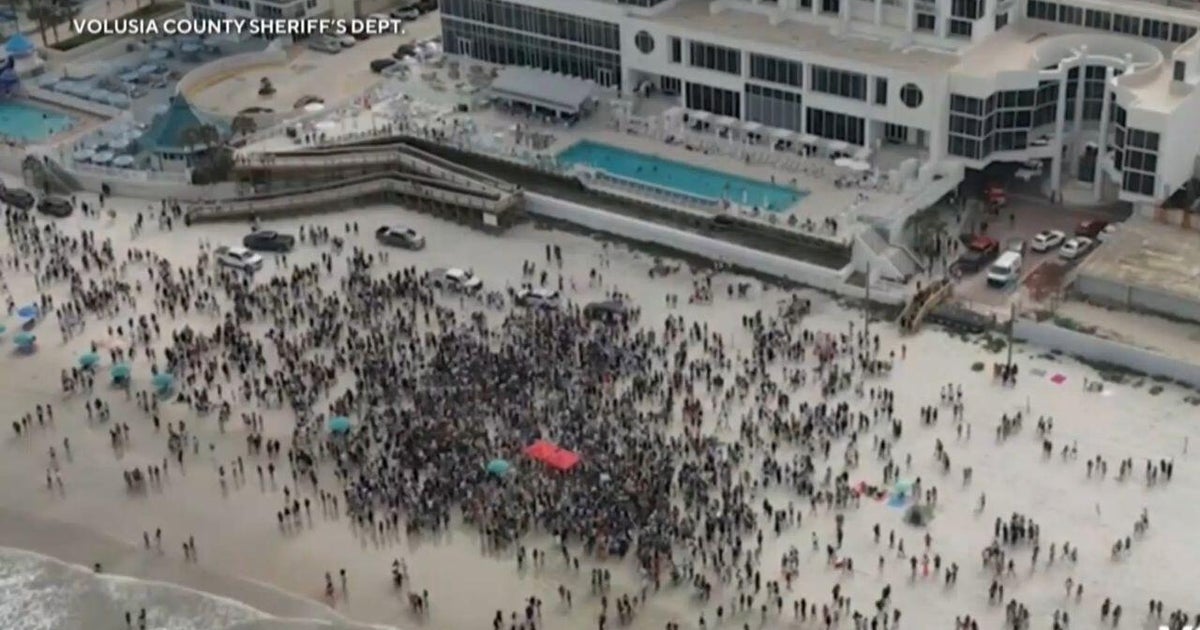
Florida’s beautiful beaches have long been a magnet for spring breakers seeking sun, sand, and fun. However, in recent years, a troubling new phenomenon has emerged that’s causing headaches for local officials and safety concerns for communities. These events, known as “beach takeovers,” are massive, unauthorized gatherings organized entirely through social media platforms, catching cities off guard and overwhelming local resources. Unlike traditional spring break festivities that cities can prepare for and manage, these takeover events pop up with little warning, bringing thousands of people to specific locations at predetermined times. Daytona Beach Commissioner Stacy Cantu has been particularly vocal about the dangers these events pose, emphasizing that the real problem isn’t just the size of the crowds, but the fact that “they are organized by promoters and the city is not aware of it.” This lack of coordination means cities can’t adequately prepare security measures, medical support, or traffic management, creating potentially dangerous situations where large crowds gather without proper safety infrastructure in place.
The Daytona Beach Stampede: Panic Without Gunfire
A recent incident in Daytona Beach perfectly illustrates just how dangerous these uncontrolled gatherings can become, even when no actual violence occurs. During one of these beach takeover events, chaos erupted when a large crowd suddenly fled in panic after hearing what they believed were gunshots. The scene was terrifying for those present, with hundreds of people running in fear for their lives. However, according to Volusia County Sheriff Mike Chitwood, the “gunshots” that sparked the stampede were nothing more than people deliberately crushing water bottles to create loud popping sounds. “It was people crushing water bottles to start a stampede,” Sheriff Chitwood explained, revealing that the panic was intentionally manufactured. Despite having more than 50 deputies embedded within the crowd, the situation spiraled quickly, demonstrating how vulnerable these large gatherings are to mass panic. The sheriff’s office was quick to clarify that no actual shots were fired on the beach that weekend, even as videos claiming otherwise spread rapidly across social media platforms, further demonstrating how misinformation can amplify already dangerous situations.
The Real Consequences: Arrests and Violence
While the water bottle incident didn’t involve actual gunfire, the same weekend in Daytona Beach was far from peaceful. The reality of spring break in the city painted a picture of law enforcement stretched to its limits. The Volusia County Sheriff’s Office reported an astounding 133 arrests during that single spring break weekend, highlighting the scale of disorder and illegal activity accompanying these events. The charges ranged from disorderly conduct to more serious offenses, keeping deputies and local police working around the clock. Even more concerning, while there were no shootings on the beach itself that weekend, the city of Daytona Beach did respond to multiple shooting incidents in other areas during the same period. The sheriff’s office took to Facebook to set the record straight, addressing the widespread misinformation circulating online: “There were no shootings on the beach this weekend. Widespread videos posted online this weekend falsely claimed crowds were running from shots fired.” The department also acknowledged they’re aware of more “spring break/invade Daytona events being promoted on social media” and are working closely with local government and other law enforcement agencies to prepare for future incidents. The situation becomes even more sobering when considering what happened just a month earlier in Jacksonville, Florida, where five teenagers were shot at another “takeover” event, proving that the threat of real violence at these gatherings is very real.
A Proactive Approach: How Some Cities Are Fighting Back
Not all Florida cities are taking the spring break chaos lying down. Some municipalities have implemented innovative strategies to regain control of their communities during this tumultuous season. Fort Lauderdale has launched a marketing campaign specifically designed to communicate spring break restrictions to potential visitors before they arrive, making it clear that lawlessness won’t be tolerated. Miami Beach has perhaps taken the most comprehensive approach, completely reimagining who they want to attract during spring break season. Rather than simply trying to manage the traditional party crowd, the city has made a strategic decision to market itself to a different demographic altogether—one that’s more health-conscious and interested in wellness activities rather than excessive partying. This isn’t just a marketing slogan; Miami Beach has backed up this new direction with concrete regulations and enforcement measures. The city’s website clearly outlines new regulations designed to keep visitors safe and maintain order, including enhanced DUI enforcement to keep drunk drivers off the roads and security checkpoints at beach entrances along the famous Ocean Drive. These checkpoints allow law enforcement to screen for weapons, open containers, and other prohibited items before people even reach the beach, creating a controlled environment rather than the free-for-all atmosphere that has plagued other locations.
Early Success Stories and Measurable Results
The proof, as they say, is in the pudding, and Miami Beach’s new approach appears to be paying dividends. According to the Miami Beach Police Department, arrests during the comparable spring break period this year are down 21% compared to the same time last year. This significant reduction represents not just fewer handcuffs and jail bookings, but fewer victims, fewer violent incidents, and a generally safer environment for both visitors and residents. The decrease suggests that the combination of targeted marketing, clear communication of expectations, visible security measures, and strict enforcement is creating a deterrent effect. Potential troublemakers are either choosing to go elsewhere or are modifying their behavior to comply with the clearly stated rules. This success story offers a potential blueprint for other Florida cities struggling with similar issues. It demonstrates that communities don’t have to simply accept chaos as an inevitable part of spring break; with thoughtful planning, adequate resources, and the political will to implement and enforce new policies, cities can reclaim their beaches and public spaces while still welcoming visitors who want to enjoy themselves responsibly.
The Path Forward: Balancing Tourism and Public Safety
The spring break takeover phenomenon represents a modern challenge that requires modern solutions. Florida’s tourism industry is vital to its economy, generating billions of dollars annually and supporting hundreds of thousands of jobs. Cities can’t simply shut down during spring break without serious economic consequences. However, they also can’t allow their communities to descend into chaos, putting residents and visitors at risk while overwhelming law enforcement and emergency services. The key lies in finding the right balance—welcoming tourists and their dollars while maintaining order and safety. This means continued coordination between law enforcement agencies, better monitoring of social media to identify planned takeover events before they happen, swift and visible enforcement of laws to deter bad behavior, and strategic marketing to attract the kind of visitors communities actually want. It also means being willing to invest in the infrastructure and personnel needed to properly manage large crowds, from adequate police presence to sufficient medical support and traffic control. The contrasting experiences of cities like Daytona Beach and Miami Beach this spring break season offer valuable lessons. Reactive approaches that try to manage chaos after it arrives are less effective and more dangerous than proactive strategies that set expectations, communicate clearly, and enforce consistently. As social media continues to evolve and the ability to organize large gatherings in minutes becomes even easier, Florida cities will need to stay one step ahead, adapting their strategies to meet new challenges while preserving both public safety and the tourism industry that so many depend on. The spring break of the future doesn’t have to mean choosing between economic benefit and community wellbeing—with the right approach, cities can have both.