



Tragic Deaths in U.S. Immigration Custody Spark International Outcry
Mexico Demands Answers After Loss of Its Citizens
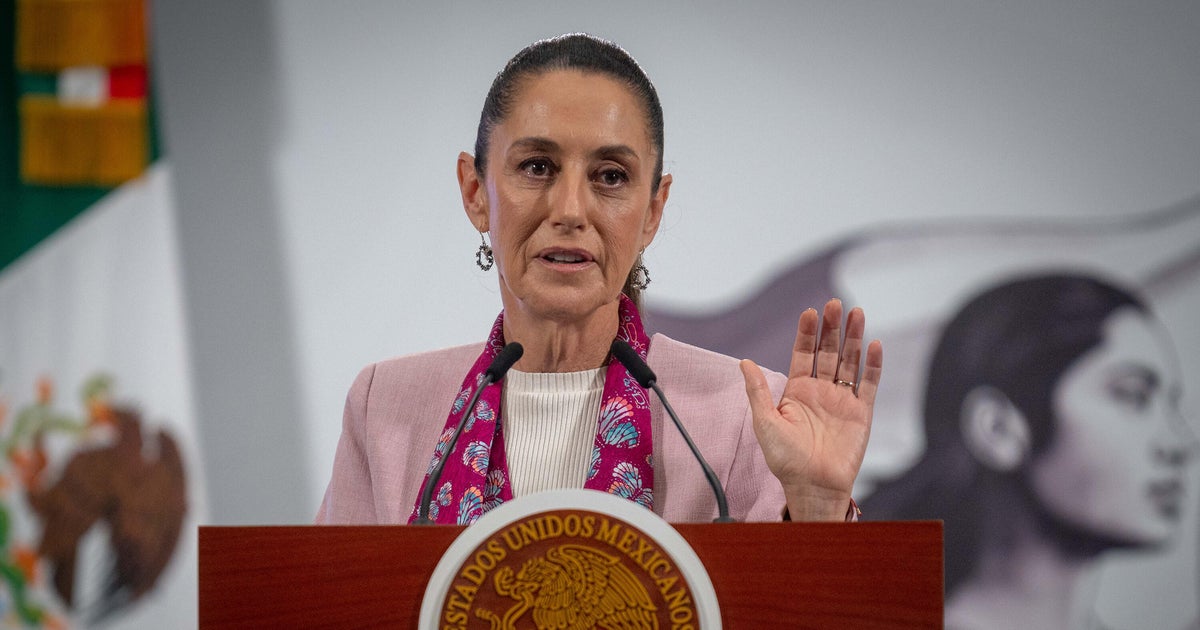
The relationship between Mexico and the United States has reached a troubling new chapter as Mexican President Claudia Sheinbaum publicly condemned the deaths of three Mexican nationals who died while in U.S. immigration custody during the early months of this year. Speaking to reporters on Friday, President Sheinbaum expressed her deep concern and frustration, stating emphatically, “This can’t be happening.” Her strong words reflect the growing anxiety in Mexico over the treatment of its citizens caught up in America’s immigration enforcement system. The most recent tragedy involves a 19-year-old detainee who died at a Florida detention center just this past Monday, joining two other Mexican nationals who lost their lives in similar circumstances earlier in 2024. The Mexican government is now demanding comprehensive investigations into each death and has made it clear that they will not stand idly by while their citizens die in American custody.
The youngest victim, Royer Perez Jimenez, was only 19 years old when his life came to a tragic end. According to Immigration and Customs Enforcement (ICE), Jimenez had been arrested in January on charges of fraud for impersonation and misdemeanor resisting an officer. He was being held at the Glades County Detention Center in Florida when prison staff discovered him in his cell at approximately 2:34 a.m. local time on March 16. Officials reported that staff members “immediately” began life-saving measures, but their efforts were unsuccessful. ICE has stated that the cause of death was a “presumed suicide,” though President Sheinbaum has made it clear that Mexico is not accepting this explanation at face value. “The report says the young man killed himself,” she acknowledged, “Nonetheless, we want a full investigation.” This demand for transparency reflects deep concerns about what really happens behind the walls of immigration detention facilities and whether detainees are receiving adequate mental health support and supervision during what is undoubtedly one of the most stressful experiences of their lives.
A Pattern of Deaths Raising Alarm
The death of young Royer Perez Jimenez is far from an isolated incident. Heber Sanchez Domínguez, a 34-year-old Mexican national, died in January while in ICE custody in Georgia. Domínguez’s case is particularly troubling because he had been arrested for the relatively minor offense of driving without a license—a violation that certainly doesn’t carry a death sentence. After spending just six days in ICE custody and while awaiting a hearing that would determine his fate, Domínguez was found “hanging by the neck and unresponsive in his sleeping quarters” at approximately 2:05 a.m. local time at a Georgia detention facility, according to the Department of Homeland Security. Then in March, a 48-year-old Mexican man also died while in ICE custody, though fewer details about his case have been made public. The Mexican government issued a strongly worded statement on Thursday declaring that “these deaths are becoming unacceptable” and warning that officials “won’t hold back in using available legal and diplomatic tools to defend the rights” of Mexicans abroad. President Sheinbaum reinforced this position, pledging that “We’re going to use all measures to make our protests and support the family in everything they need.” These aren’t just diplomatic statements—they represent a significant escalation in how Mexico is responding to what it views as a crisis of care and accountability in the U.S. immigration system.
A Broader Crisis in Immigration Detention
The deaths of these three Mexican nationals are part of a much larger and deeply concerning pattern. According to available data, at least 30 migrants died in U.S. detention centers last year—the highest number recorded since 2004, which was just one year after ICE was created in the wake of the September 11 attacks and the reorganization of America’s homeland security apparatus. That troubling record has already been added to this year, with at least 12 deaths occurring in immigration custody so far in 2024. These aren’t just statistics—each number represents a human life, a person with family, dreams, and connections to communities both in the United States and in their countries of origin. Among this year’s victims is an Afghan man who had served alongside U.S. military forces, presumably putting his own life at risk to support American operations in his home country, only to die in an immigration detention facility. There was also a Haitian man whose family reported that an untreated toothache developed into a deadly infection—a preventable death that raises serious questions about the quality of medical care provided to detainees. Perhaps most shocking is the case of a Cuban immigrant whose death in a Texas facility has been officially ruled a homicide, suggesting potential criminal conduct in his death.
The Context of Trump’s Immigration Crackdown
These deaths are occurring against the backdrop of President Trump’s promise to conduct “the most extensive deportation program for undocumented migrants in U.S. history.” This ambitious and controversial policy has placed ICE at the forefront of what have often been described as violent raids across cities throughout the United States. The agency has been empowered and encouraged to dramatically increase arrests and detentions, leading to overcrowded facilities and strained resources. When enforcement becomes the overwhelming priority, concerns about detainee welfare, mental health support, medical care, and basic human dignity can sometimes fall by the wayside. The rapid expansion of detention operations means that facilities are holding more people for longer periods, and the staff responsible for their care may be overwhelmed or inadequately trained for the mental health crises and medical emergencies that inevitably arise when you confine large numbers of stressed, frightened people who have been separated from their families and communities. The political rhetoric surrounding immigration has also become increasingly dehumanizing, which can create an environment where the people in custody are viewed more as problems to be processed than as human beings deserving of care and dignity.
International Relations and Human Rights Concerns
The strong response from President Sheinbaum and the Mexican government reflects not just concern for their citizens, but also broader questions about human rights, international law, and the responsibilities that nations have toward people in their custody, regardless of immigration status. When someone is arrested and detained by government authorities, that government assumes a duty of care—a responsibility to ensure the person’s basic safety, health, and human dignity. This principle applies whether someone is a citizen or not, whether they entered the country legally or not. The fact that so many people are dying in immigration custody suggests a systemic failure to meet these basic obligations. Mexico’s threat to use “all available legal and diplomatic tools” indicates that this issue could strain relations between the two neighboring countries, which share not just a border but deep economic, cultural, and social ties. Millions of people cross between Mexico and the United States every day for work, family visits, tourism, and trade. The North American economy is deeply integrated, and cooperation between the two countries on numerous issues—from trade to security to environmental protection—is essential. When trust breaks down over something as fundamental as the treatment of detained nationals, it can have ripple effects across the entire relationship.
The Human Cost and the Need for Reform
Behind every statistic and diplomatic statement are real people and devastated families. The families of Royer Perez Jimenez, Heber Sanchez Domínguez, and the unnamed 48-year-old man are grieving losses that might have been prevented with better care, more oversight, and greater accountability. Parents shouldn’t have to receive notification that their child died alone in a detention center cell. Spouses and children shouldn’t lose their partners and parents to untreated medical conditions or mental health crises in facilities that are supposed to be secure but humane. The pattern of deaths—many occurring in the early morning hours, several ruled as suicides or suspected suicides, others due to inadequate medical care—suggests that the current system is failing in its most basic responsibility to keep people alive while their immigration cases are being processed. Reform advocates have long called for alternatives to detention, improved medical and mental health care in facilities, better training for staff, independent oversight, and greater transparency about conditions and incidents. The record number of deaths in 2023 and the continuing toll in 2024 make it clear that the status quo is unacceptable and that meaningful change is urgently needed. As President Sheinbaum’s strong statement indicates, the international community is watching, and the United States’ reputation as a nation that respects human rights and the rule of law is increasingly at stake in how it treats the most vulnerable people within its borders.