


Mexico Ramps Up Health Measures as Measles Outbreak Spreads Nationwide
Growing Health Crisis Prompts School Screening and Mask Recommendations
Mexico is facing a significant public health challenge as measles cases continue to rise across the country, prompting state governments to implement stricter health protocols in schools and public spaces. Mexico state, the nation’s most populous region, announced Monday that it would intensify health screening measures at educational institutions while strongly recommending that students and staff wear face masks. This decision reflects the growing concern among health officials as the highly contagious disease spreads throughout the country. The state’s health department has implemented a comprehensive approach that includes temperature checks at school entrances and an accelerated vaccination campaign to protect children and communities from further transmission. These measures come as Mexico grapples with one of the most serious measles outbreaks the country has seen in recent years, raising alarms about vaccination rates and public health infrastructure across the nation.
Jalisco Leads Nation in Confirmed Cases, Implements Mandatory Masking
The western state of Jalisco has emerged as the epicenter of Mexico’s measles crisis, accounting for more than half of all confirmed cases nationwide. In response to the alarming spread within its borders, Jalisco took decisive action last week by mandating mask use in schools throughout Guadalajara, the state capital and Mexico’s second-largest city. The mandatory masking policy in Guadalajara represents one of the strictest measures taken so far and sets a precedent that other states are now following. Mexico state’s decision to recommend masks came shortly after Jalisco’s announcement, suggesting a coordinated effort among regional governments to contain the outbreak before it becomes even more widespread. Health officials in Jalisco have been working around the clock to trace contacts, isolate cases, and encourage vaccination among vulnerable populations, particularly children who may have missed routine immunizations during the pandemic years.
National Statistics Reveal Alarming Spread from Border to Border
As of February 6, Mexico’s health authorities had confirmed 2,143 measles cases across the country, with nearly 6,000 additional suspected cases awaiting confirmation. What makes this outbreak particularly concerning is its geographic distribution—confirmed cases have been reported in all 32 of Mexico’s states, stretching from the northern border with the United States all the way to the southern border with Guatemala. This nationwide spread indicates that the disease is no longer contained to isolated pockets but has become a country-wide health emergency requiring a coordinated federal response. Mexico state, which surrounds Mexico City on three sides, has confirmed 40 cases, while the capital itself has reported 166 confirmed cases as of last Friday. Health Secretary Macarena Montoya Olvera of Mexico state stated Monday that while the outbreak in her jurisdiction is currently under control and cases have been relatively mild, vigilance remains essential to prevent more serious complications and further transmission.
Outbreak Origins Traced to Cross-Border Contact with United States
Epidemiological investigations have traced the origin of Mexico’s current measles crisis to an incident in March 2025 in the northern border state of Chihuahua. Health officials identified the index case as an 8-year-old unvaccinated Mennonite boy who had visited relatives in Seminole, Texas—a location that was at the center of the United States’ own measles outbreak. This cross-border transmission highlights the interconnected nature of public health in the modern world, where diseases can easily travel across international boundaries through routine family visits and daily cross-border traffic. The Chihuahua outbreak, which began surging last year, has since been brought under control through targeted vaccination efforts and public health interventions. However, before containment measures could fully take effect, the disease had already spread to other parts of Mexico, eventually reaching all 32 states and creating the nationwide emergency that health officials are now battling.
Aggressive Vaccination Campaigns Underway in Major Population Centers
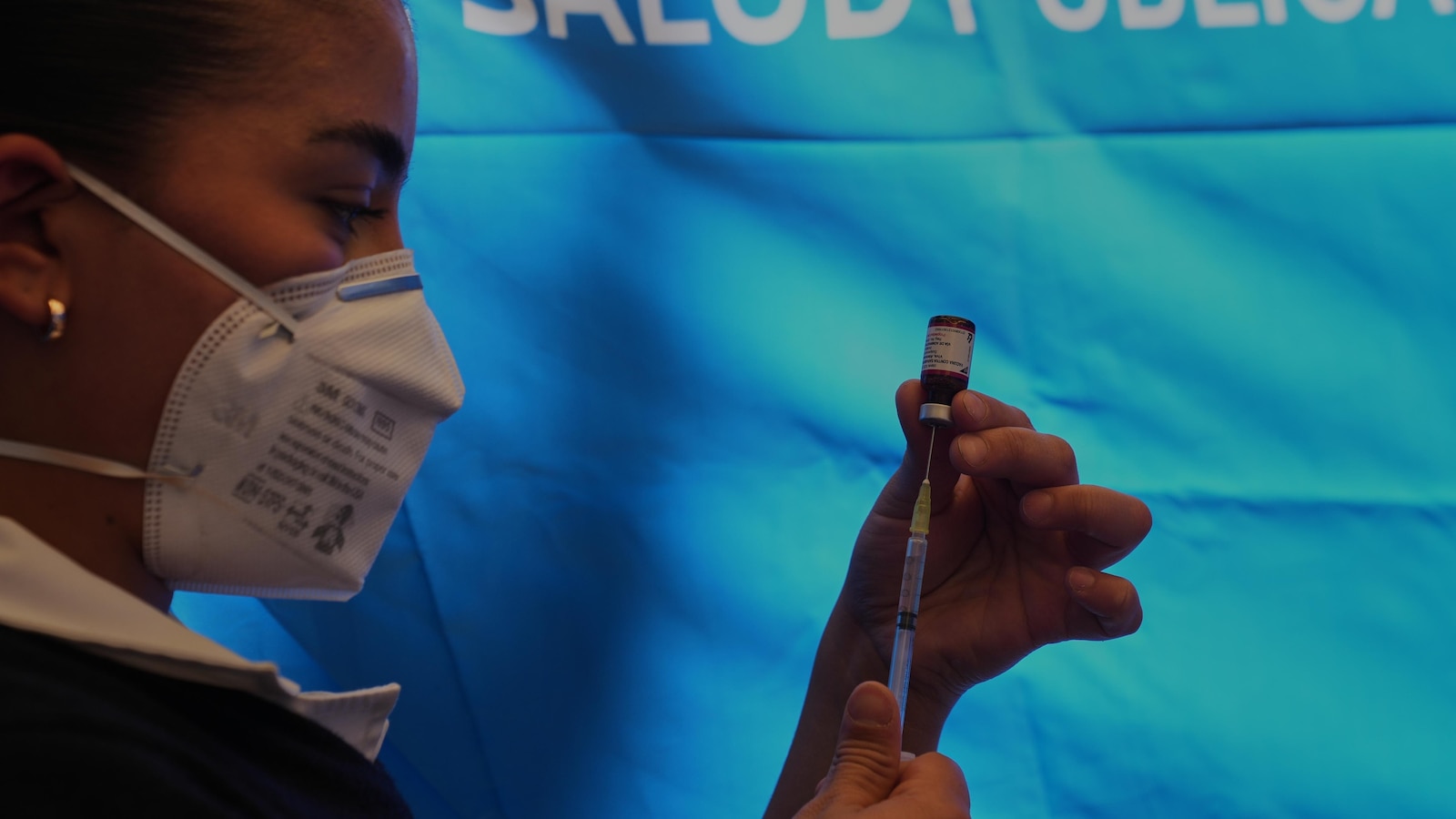
In response to the growing threat, Mexico City has launched one of the most aggressive vaccination campaigns the capital has seen in years. Health workers have been deployed to schools, community centers, and neighborhoods to ensure that children receive the measles-mumps-rubella (MMR) vaccine that provides protection against the disease. Mexico state has similarly accelerated its vaccination efforts, with health officials working to identify unvaccinated or under-vaccinated populations and provide them with free immunizations. These campaigns face several challenges, including vaccine hesitancy in some communities, logistical difficulties in reaching remote areas, and the need to catch up on routine vaccinations that may have been missed during the COVID-19 pandemic when regular health services were disrupted. Public health experts emphasize that achieving high vaccination coverage—typically 95% or higher—is essential for establishing herd immunity that can protect even those who cannot be vaccinated due to medical reasons.
International Implications and Risk of Losing Measles-Free Status
The measles outbreak in Mexico is not occurring in isolation but is part of a broader pattern affecting the entire Americas region. The Pan American Health Organization issued an epidemiological alert last week in response to the surge of measles cases across the continent, warning countries to strengthen their surveillance and vaccination programs. Canada has already lost its measles-free status as of November, a designation that indicates endemic transmission has been re-established in the country. Both the United States and Mexico now face the very real possibility of losing their own measles elimination status, a designation that took decades of sustained public health efforts to achieve. Losing this status would be a significant setback for public health in the region and would signal that measles has once again become a regularly circulating disease rather than an occasionally imported infection. The situation underscores the fragility of public health achievements and the constant vigilance required to maintain them. International health experts are calling for renewed commitment to vaccination programs, improved disease surveillance, and cross-border cooperation to address this growing threat before it becomes even more entrenched. The current outbreak serves as a stark reminder that preventable diseases can resurge quickly when vaccination rates decline and that protecting public health requires sustained effort, adequate resources, and community engagement.