
Trump Administration Issues Stark Warning to Iran Over Strait of Hormuz Closure
Escalating Tensions in Critical Global Waterway
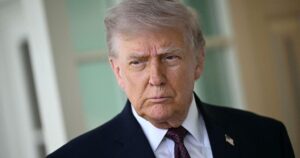
The situation in the Persian Gulf has reached a critical boiling point as President Trump issued an unprecedented ultimatum to Iran over the weekend, threatening to destroy the country’s power infrastructure if the Strait of Hormuz isn’t reopened within 48 hours. This dramatic escalation came through a late Saturday post on Truth Social, where the president warned he would “hit and obliterate their various POWER PLANTS, STARTING WITH THE BIGGEST ONE FIRST!” The threat underscores the growing frustration in Washington over Iran’s effective closure of one of the world’s most strategically important waterways, which has been blocked to most maritime traffic for three weeks amid ongoing regional conflict. The Strait of Hormuz serves as a vital artery for global energy supplies, with approximately 20% of the world’s oil passing through its narrow waters. The closure has sent shockwaves through international markets and raised serious concerns about energy security worldwide, making the standoff between Washington and Tehran a matter of global economic significance.
Administration Defends All Options Approach
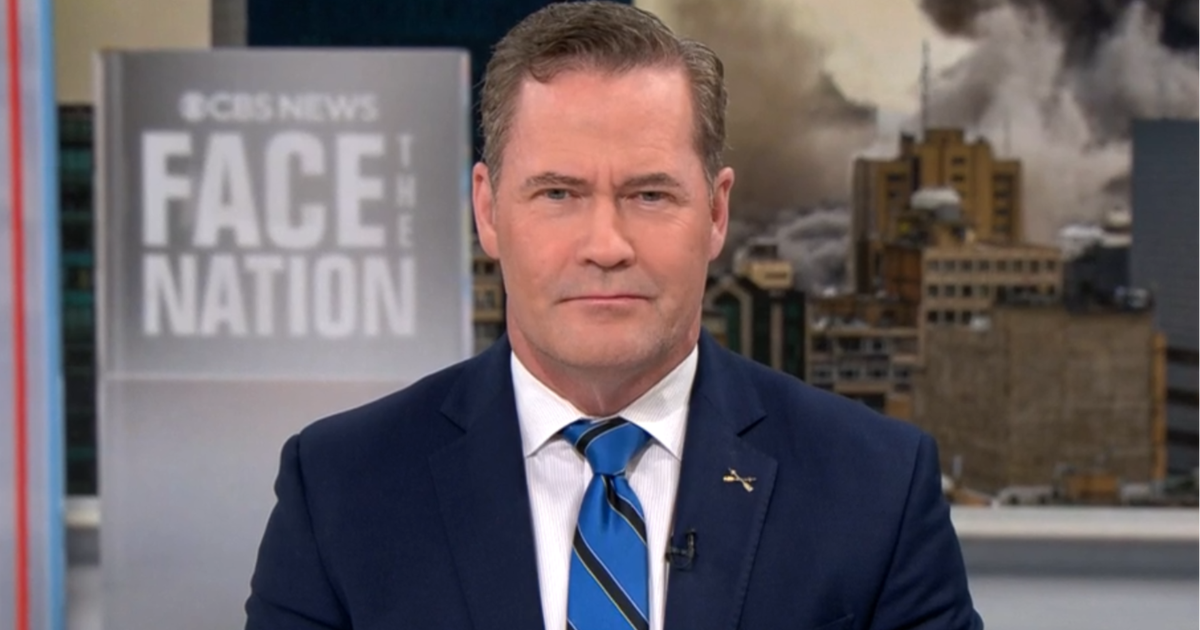
In a Sunday appearance on CBS’s “Face the Nation,” U.S. Ambassador to the United Nations Mike Waltz strongly defended the president’s position, emphasizing that the administration was keeping every possible response on the table. “All options should be on the table and the president’s made that very clear,” Waltz stated when pressed about the specific nature of potential military action. He was careful to frame the issue in terms of Iran’s unique governmental structure, noting that the Islamic Revolutionary Guard Corps (IRGC), which has been designated as a terrorist organization by both the United States and several European nations, maintains extensive control over Iran’s critical infrastructure, economy, and governing institutions. According to Waltz, this interconnection between military and civilian infrastructure makes it difficult to separate legitimate military targets from purely civilian ones. “To the extent we’re degrading their military capability and their defense industrial base, all options should be on the table,” he emphasized, suggesting that the administration views much of Iran’s infrastructure as fair game given the IRGC’s pervasive influence throughout Iranian society.
International Law and War Crime Concerns
The threat to attack Iran’s power infrastructure has raised serious questions about international humanitarian law and the rules of warfare. UN Secretary-General António Guterres weighed in on the controversy last week, telling Politico that attacks on energy infrastructure by either side could potentially constitute war crimes under international law. This warning reflects longstanding principles that seek to protect civilian populations during armed conflict by limiting attacks on infrastructure essential to civilian life. However, Ambassador Waltz pushed back against this interpretation, arguing that Iran’s unique governmental structure creates a different calculus. He contended that “when you have a regime that has its grips in so much critical infrastructure that’s using it to further, not only the repression of its own people, to attack its neighbors and in contravention of U.N. sanctions, to march towards a nuclear weapon, then that makes those legitimate targets.” This argument essentially suggests that Iran’s integration of civilian infrastructure into its military and governmental apparatus transforms otherwise protected facilities into legitimate military objectives under the laws of war.
Civilian Impact and Targeting Considerations
One of the most pressing concerns about potential strikes on Iran’s power infrastructure involves the devastating humanitarian consequences such attacks could have on ordinary Iranian civilians. When journalist Margaret Brennan pressed Waltz specifically about water desalination facilities, which are directly dependent on electrical power and essential for providing drinking water to millions of Iranians, the ambassador sought to provide reassurance about the administration’s approach. “I have no doubt that the president, the Pentagon, their team, will ensure that what they target is geared towards the military infrastructure of Iran,” Waltz responded, attempting to assuage fears about indiscriminate targeting of civilian infrastructure. However, the distinction between military and civilian power infrastructure remains murky, particularly in a country where the same electrical grid serves both military installations and civilian populations. The potential for widespread civilian suffering from extended power outages raises ethical questions about proportionality and necessity in military operations, core principles of international humanitarian law that require military advantage to be weighed against potential civilian harm.
International Coalition Building Efforts
Despite the aggressive rhetoric toward Iran, the Trump administration is simultaneously pursuing diplomatic channels to build an international coalition to address the Strait of Hormuz crisis. Ambassador Waltz indicated that several major nations have committed to participating in efforts to ensure safe passage through the strategic waterway. According to Waltz, Italy, Germany, France, Japan, and other countries have pledged support for policing and securing the strait, representing a diverse coalition of nations with vital interests in maintaining the free flow of energy supplies. This diplomatic outreach came after President Trump suggested just one day before his threat to Iran that the Strait of Hormuz would need to be “guarded and policed, as necessary, by other Nations who use it.” When asked about the apparent contradiction between seeking international cooperation and threatening unilateral military action, Waltz argued that the two approaches are “not necessarily mutually exclusive.” He suggested that building an international coalition and maintaining the credible threat of force against Iran are complementary strategies rather than competing ones, with both designed to pressure Tehran into reopening the waterway.
Long-Term Strategic Implications and Regional Stability
The current standoff represents just the latest chapter in nearly five decades of tension between the United States and Iran, dating back to the 1979 Islamic Revolution that overthrew the U.S.-backed Shah and established the current theocratic government. Ambassador Waltz framed the administration’s hardline stance within this historical context, stating that “the president is not going to stand for this regime as it’s threatened and tried for five decades to hold the world’s energy supplies hostage under its genocidal intent.” This characterization reflects the administration’s view that Iran has consistently used its geographic position controlling access to the Persian Gulf as leverage against the international community while pursuing what Washington views as dangerous regional ambitions. The reference to “genocidal intent” likely relates to Iran’s stated opposition to Israel’s existence and its support for various militant groups throughout the Middle East. As the 48-hour deadline approaches, the world watches anxiously to see whether diplomacy can defuse the crisis or whether the region is headed toward a major military confrontation with potentially devastating consequences for global energy markets, regional stability, and the civilian population of Iran. The coming days will test whether the administration’s strategy of maximum pressure can achieve its objectives without triggering a wider conflict that could engulf the entire Middle East and draw in multiple international powers with competing interests in this volatile region.