

U.S. Plans Major Expansion of Oil Operations in Venezuela
American Energy Companies Set to Enter Venezuelan Market
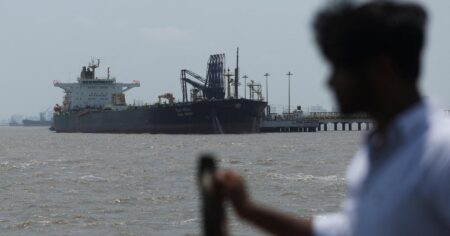
The United States is preparing to significantly expand its footprint in Venezuela’s oil sector, with multiple American energy companies expected to begin operations in the country within the coming months. Energy Secretary Chris Wright made these announcements following his recent diplomatic trip to Venezuela, where he held discussions with interim President Delcy Rodriguez. Currently, Chevron stands as the sole American oil company operating within Venezuelan borders, but this exclusivity is about to change dramatically. Wright confirmed that Chevron is already ramping up its production efforts, with increases expected throughout the current and following month. The Treasury Department has paved the way for this expansion by issuing new general licenses to major energy corporations including BP, Shell, Chevron, Eni, and Repsol, authorizing them to conduct business within Venezuela and negotiate deals directly with the country’s government and its state-owned oil enterprise, PDVSA. While Wright stopped short of naming which specific companies would be the first new entrants to the Venezuelan market, the regulatory framework is now in place for a substantial American presence in one of the world’s most oil-rich nations. This development marks a significant shift in U.S.-Venezuela relations and represents a major strategic move in American energy policy.
The New Power Dynamics in Caracas
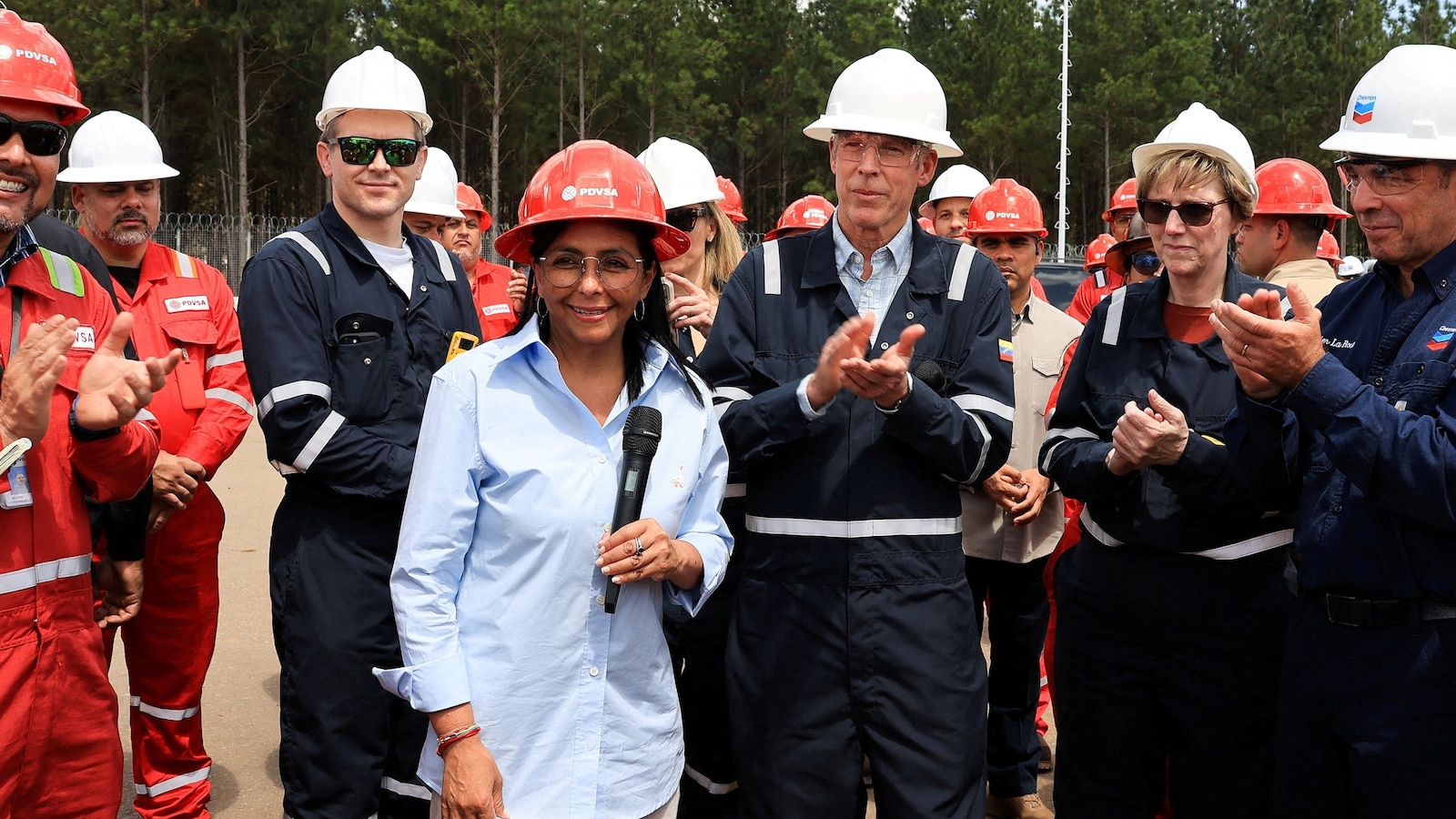
The relationship between Washington and Caracas has undergone a dramatic transformation following the U.S. operation that led to the capture of former President Nicolas Maduro in early January. Delcy Rodriguez, who previously served in Maduro’s government, now holds the position of interim president and faces a unique situation where her country’s economic lifeline is effectively controlled by a foreign power. Secretary Wright was remarkably candid about the leverage the United States holds over Rodriguez’s administration, explicitly stating that America controls the revenue streams from Venezuelan oil sales. This financial control creates what Wright described as “strong motivation” for Rodriguez to cooperate with American interests and directives. The energy secretary met with Rodriguez at the Miraflores presidential palace in Caracas and later accompanied her on a visit to oil production facilities in the Orinoco Oil Belt, one of the world’s largest petroleum reserves. Wright characterized Rodriguez as “very motivated” to work within this new framework, suggesting that her political survival and her country’s economic recovery depend heavily on maintaining positive relations with Washington. This arrangement essentially makes Venezuela’s interim government dependent on American approval for accessing its own natural resources revenue, creating an unprecedented power dynamic between the two nations.
Oil Production Targets and Economic Projections
Secretary Wright expressed optimistic projections regarding Venezuela’s oil production capacity, forecasting what he termed a “meaningful rise” in output over the next twelve months. The bulk of this increased production is designated to flow primarily to oil refineries located in Florida, creating a direct supply line from Venezuelan oil fields to American processing facilities. This arrangement serves multiple strategic purposes for the United States: it secures a reliable oil supply from a geographically close source, reduces dependence on more distant suppliers, and provides economic leverage over Venezuela’s government. The expansion of oil production represents a potential lifeline for Venezuela’s economy, which has suffered through years of mismanagement, international sanctions, and economic collapse. However, the terms of this arrangement ensure that the United States maintains control over how the proceeds from these oil sales are distributed and utilized. Wright suggested that American consumers would benefit directly from this increased production through lower prices across multiple petroleum-based products. He specifically mentioned downward pressure on prices for gasoline, diesel fuel, jet fuel, and even asphalt, suggesting that the Venezuelan oil arrangement would have wide-ranging effects on the American economy and daily life for U.S. consumers.
The Question of Democratic Elections
While the Trump administration has stated its intention to eventually restore democratic governance in Venezuela, the timeline for free and fair elections remains uncertain and appears to be subject to American approval. When questioned about the possibility of holding elections in Venezuela during the current year, Secretary Wright dismissed the idea as premature, citing the need for proper electoral infrastructure and preparation. He noted that establishing voter rolls and creating the necessary framework for legitimate elections requires substantial time and resources. However, Wright did suggest that elections could potentially occur before the end of 2027, describing this as “a real possibility.” This timeline places electoral democracy in Venezuela on an indefinite horizon, with the interim government of Delcy Rodriguez maintaining power in the meantime under American oversight. Wright framed this arrangement as providing Rodriguez with incentive to improve conditions for ordinary Venezuelans, suggesting that any leader preparing for eventual elections would need to demonstrate tangible improvements in citizens’ lives. This perspective assumes that Rodriguez genuinely intends to compete in democratic elections rather than simply maintaining power through other means. The uncertainty surrounding election timing raises questions about what “free and fair” elections would look like in a country where a foreign power controls the primary source of government revenue and maintains significant influence over political decisions.
Strategic Implications for U.S.-Venezuela Relations
The current arrangement between the United States and Venezuela represents a dramatic departure from traditional international relations and sets significant precedents. The Trump administration’s approach effectively treats Venezuelan oil resources as assets to be managed jointly with American companies under U.S. financial oversight, rather than as the sovereign property of the Venezuelan nation. This model of engagement goes far beyond typical diplomatic or economic relationships and instead creates a quasi-protectorate status where Venezuela maintains nominal independence while actual economic control rests with Washington. Secretary Wright’s forthright acknowledgment of American financial control over oil revenues demonstrates a willingness to publicly embrace this power dynamic rather than obscure it with diplomatic language. The arrangement provides the United States with access to substantial oil reserves at a time when energy independence and security remain key policy priorities. For Venezuela, the agreement offers potential economic recovery and stability after years of crisis, but at the cost of sovereignty and self-determination. The interim government must balance the immediate benefits of renewed oil production and foreign investment against the long-term implications of operating under American oversight and control.
Looking Toward an Uncertain Future
As American energy companies prepare to expand their operations in Venezuela throughout the coming months, both nations face an uncertain future shaped by this unprecedented arrangement. The promised benefits—increased oil production, lower energy prices for Americans, and economic recovery for Venezuela—depend on sustained cooperation between Washington and Caracas and the successful implementation of expanded drilling and export operations. Secretary Wright’s optimistic projections assume that security conditions in Venezuela will allow for stable operations, that infrastructure damaged by years of neglect can be repaired or replaced, and that the workforce exists to support expanded production. For ordinary Venezuelans, the arrangement presents a complicated picture: potential economic improvement and job creation balanced against the reality of foreign control over their nation’s most valuable resource. The timeline for restoring democratic governance remains vague, with elections pushed to an indefinite future date while an unelected interim government operates under American supervision. Whether this model proves sustainable or leads to renewed conflict and instability remains to be seen. The world will be watching closely as this extraordinary experiment in American influence over a sovereign nation’s resources unfolds, with implications that extend far beyond Venezuela’s borders and could reshape thinking about international relations, sovereignty, and economic power in the 21st century.