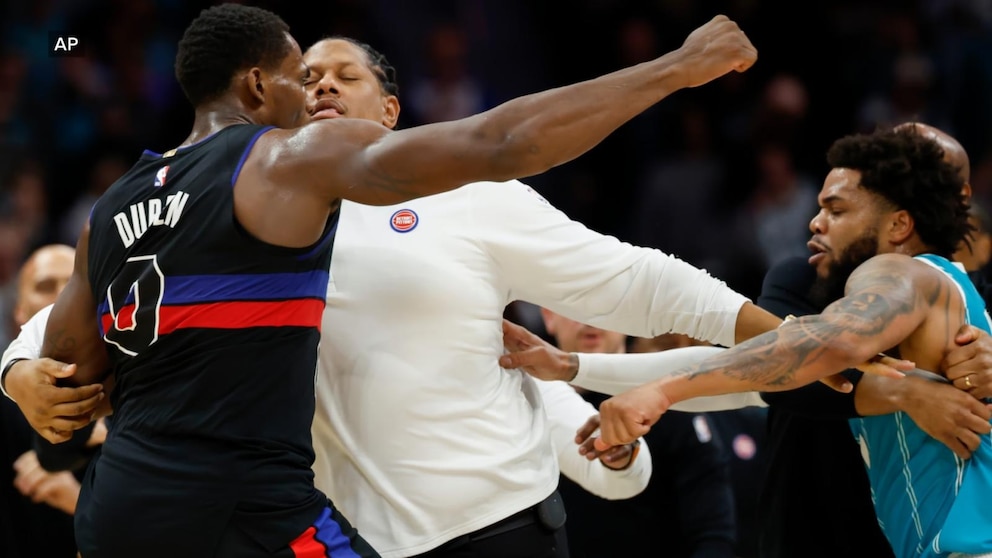

NBA on-Court Brawl Leads to Four Player Suspensions
When Competition Boils Over: A Physical Altercation Rocks the League
The National Basketball Association has handed down suspensions to four players following an intense on-court altercation that crossed the line from competitive basketball into physical confrontation. The incident serves as a stark reminder that even in professional sports, emotions can occasionally override judgment, leading to consequences that impact not only the players involved but their teams and the league’s reputation as a whole. While basketball is inherently a contact sport with high-stakes competition that naturally breeds intensity, there exists an understood boundary between hard-nosed play and unacceptable conduct. When that boundary gets crossed, as it did in this recent brawl, the NBA has shown it’s willing to enforce strict disciplinary measures to maintain the integrity of the game and protect player safety.
The league’s decision to suspend four players reflects the seriousness with which the NBA views such incidents. These suspensions come with significant financial implications for the athletes involved, who forfeit substantial portions of their salaries for the games they’ll miss. Beyond the monetary penalties, there’s the intangible cost to their reputations and their teams’ competitive standing. The suspended players will watch from the sidelines while their teammates battle on without them, potentially jeopardizing playoff positioning or momentum during a critical stretch of the season. For fans who pay premium prices to watch their favorite players compete, these absences represent a disappointment, though most understand that maintaining standards of conduct is essential for the sport’s long-term health and appeal.
The Heat of the Moment: Understanding What Sparked the Confrontation
Basketball games, particularly at the professional level, are pressure cookers of emotion, physical exertion, and competitive drive. Throughout an 82-game regular season, tensions inevitably build between teams and individual players. Sometimes a hard foul, a perceived disrespectful gesture, or trash talk can ignite a powder keg of frustration that’s been building over quarters, games, or even seasons. The altercation that led to these four suspensions likely didn’t emerge from nowhere—there was probably a progression of events, a series of escalating moments that culminated in players losing their composure and engaging in physical confrontation beyond the acceptable bounds of basketball competition.
Understanding the context doesn’t excuse the behavior, but it helps explain how professional athletes, who are generally well-aware of the consequences of their actions, can find themselves in these regrettable situations. The speed and physicality of NBA basketball, combined with the emotional investment players have in winning, creates an environment where split-second decisions sometimes lead to serious mistakes. What might start as a defensive stance or verbal exchange can quickly escalate when multiple players get involved, transforming a one-on-one disagreement into a broader team confrontation. These incidents often happen so quickly that players who might not have intended to participate find themselves in the middle of the fray, and once that happens, the NBA’s disciplinary system doesn’t distinguish between instigators and those who simply failed to walk away.
The League’s Response: Balancing Punishment with Fairness
When the NBA reviews incidents like this brawl, they employ a comprehensive process that examines video footage from multiple angles, interviews players and officials, and considers each individual’s role in the altercation. The goal is to assign responsibility fairly while sending a clear message that such conduct won’t be tolerated. The decision to suspend four players suggests that the league determined multiple individuals bore significant responsibility for the escalation and continuation of the physical confrontation. The length of each suspension likely varies based on factors such as who initiated the contact, the severity of actions taken, and whether players have a history of similar incidents.
The NBA has learned from past controversies, perhaps most notably the infamous “Malice at the Palace” incident in 2004, which resulted in some of the longest suspensions in league history and prompted significant changes to how the NBA handles player conduct. Since then, the league has worked to strike a balance between allowing the passionate, competitive nature of basketball to flourish while establishing clear consequences for crossing the line. These suspensions serve multiple purposes: they punish the offending players, they deter future incidents by reminding all players of the consequences, and they reassure fans and sponsors that the NBA takes player conduct seriously. In an era where the league’s brand extends globally and athletes are role models to millions of young fans, maintaining standards of professional behavior extends beyond just the players involved in any single incident.
The Ripple Effect: How Suspensions Impact Teams and the Season
When key players receive suspensions, the effects ripple through their teams’ rosters, coaching strategies, and season trajectories. Coaches must quickly adjust rotations, possibly giving increased minutes to bench players who haven’t been in regular game rhythm. Young or less experienced players might be thrust into starting roles they’re not quite ready for, while the remaining veterans must shoulder additional responsibilities both on the court and in the locker room. These adjustments come without the benefit of extended practice time to prepare, as NBA schedules are relentless, with games coming every few days regardless of who’s available to play.
For teams in the playoff hunt, losing players to suspension during a critical stretch can mean the difference between securing home-court advantage, sliding down in seeding, or even missing the postseason entirely. The competitive balance of the league means that every game matters, and teams facing suspension-depleted opponents gain an advantage they didn’t earn through superior play. Conversely, organizations that lose players to suspension face legitimate concerns about whether these absences might derail their season. Beyond the immediate competitive impact, there’s also the question of team chemistry and culture. How a team responds to adversity like suspensions can reveal character—some squads rally together and find ways to win despite being short-handed, while others struggle and allow the disruption to create division or deflate morale.
Player Accountability and Learning from Mistakes
Professional athletes are human beings capable of making mistakes, and how they respond to disciplinary action often defines their character more than the incident itself. The suspended players now face a choice: they can view their punishment as unfair and allow resentment to fester, or they can accept responsibility, learn from the experience, and return to the court with renewed focus and maturity. The best-case scenario involves players using their time away from games to reflect on their actions, understand the consequences their behavior had on teammates and fans, and commit to better managing their emotions in future high-pressure situations.
Many players who’ve faced suspensions earlier in their careers have gone on to become respected veterans and even leaders who counsel younger teammates about maintaining composure. These experiences, as painful and costly as they are in the moment, can become valuable lessons that extend beyond basketball. Learning to control emotions, walk away from confrontations, and channel competitive fire in productive rather than destructive ways are life skills that serve individuals well long after their playing careers end. The NBA and individual teams often provide resources to help suspended players process these incidents, including access to counselors, mediators, or veteran mentors who can offer perspective and guidance. The hope is always that suspensions serve as corrective measures rather than simply punitive ones, helping players grow and develop rather than just punishing them for past mistakes.
Moving Forward: Maintaining the Integrity of the Game
As the suspended players sit out their games and the league moves forward, this incident will eventually fade from headlines and become just another footnote in the NBA’s long history. However, the principles it reinforces remain constantly relevant. The NBA’s willingness to hand down meaningful suspensions, regardless of the star power or importance of the players involved, demonstrates that the league places the integrity of the game above individual personalities or short-term competitive concerns. This consistency in enforcement helps maintain credibility with fans, sponsors, and the broader basketball community.
For fans, these incidents serve as reminders that the athletes they admire are not immune to poor judgment and that the competitive fire that makes them great players can sometimes burn out of control. Most fans appreciate seeing passion and intensity on the court—they want players who care deeply about winning and aren’t afraid to play physical, competitive basketball. But there’s a collective understanding that limits exist for good reason, and when those limits are exceeded, consequences must follow. As the league continues to grow globally, expand its media presence, and attract new generations of fans, maintaining this balance between encouraging competitive spirit and enforcing behavioral standards remains one of the NBA’s ongoing challenges. The four suspensions handed down following this brawl represent the league’s commitment to getting that balance right, protecting both the immediate safety of players and the long-term reputation of professional basketball.