

The Tragic Death of a Vulnerable Refugee: A Call for Justice in Buffalo
A Preventable Tragedy Unfolds in Upstate New York
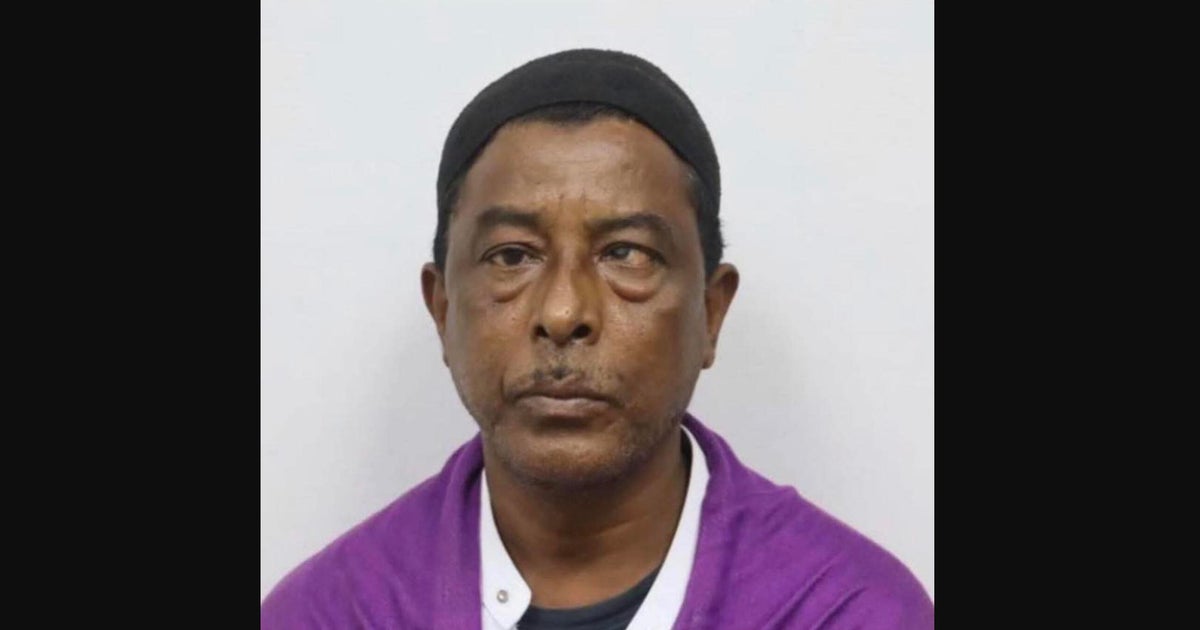
The death of Nurul Amin Shah Alam, a 56-year-old refugee, has sparked outrage and calls for a comprehensive investigation in Buffalo, New York. Found dead on a cold winter night after being released from U.S. Customs and Border Protection custody, Alam’s story has become a stark reminder of how vulnerable individuals can fall through the cracks of our immigration and law enforcement systems. Local officials, community leaders, and federal representatives are now demanding answers about how a nearly blind man who couldn’t speak English ended up alone on the streets, ultimately leading to his death just days after being dropped off at a Tim Horton’s restaurant by Border Patrol agents.
Alam’s case highlights the intersection of immigration enforcement, local law enforcement, and basic human dignity. He was a man dealing with multiple medical conditions, including severe visual impairment that left him nearly blind and unable to navigate independently, especially in an unfamiliar environment. His inability to speak English further compounded his vulnerability, making it nearly impossible for him to seek help or communicate his needs to others. These circumstances make the decision to leave him alone in a public place, without ensuring his safety or contacting his family, all the more troubling. The health-related cause of death, determined after his body was discovered, raises serious questions about whether proper medical attention and care could have saved his life.
Community Leaders Condemn the Actions of Border Patrol
Buffalo Mayor Sean Ryan didn’t mince words in his condemnation of the circumstances surrounding Alam’s death. In a strongly worded statement, Ryan characterized the tragedy as “preventable,” “deeply disturbing,” and “a dereliction of duty by the U.S. Customs and Border Protection.” The mayor’s statement reflected the anger and frustration felt by many in the Buffalo community who pride themselves on being welcoming to refugees and immigrants. Ryan emphasized that leaving a vulnerable man—one who was nearly blind and couldn’t communicate in English—alone on a cold winter night without ensuring he was in a safe, secure location was both “unprofessional and inhumane.”
The mayor’s comments also spoke to Buffalo’s identity as a sanctuary for those seeking refuge and a better life. “Buffalo is a city that welcomes refugees and believes government should protect human dignity, not endanger it,” Ryan stated, making clear that the community’s values stand in stark contrast to the treatment Alam received from federal authorities. This statement resonates with Buffalo’s long history as a destination for immigrants and refugees, a city that has seen waves of newcomers contribute to its cultural fabric and economic vitality. The mayor’s assertion that “U.S. Customs and Border Protection failed that basic standard” of protecting human dignity has become a rallying cry for those demanding accountability and systemic change to prevent similar tragedies in the future.
Federal Representatives Demand Full Investigation
U.S. Representative Tim Kennedy, whose congressional district includes Buffalo, joined the chorus of voices calling for a thorough and transparent investigation into Alam’s death. In his statement to local media, Kennedy expressed the profound tragedy of the situation, noting that “Mr. Alam should be alive and with his loved ones today.” Instead, Kennedy pointed out, Alam’s family is now grieving an unimaginable loss after days of fear and uncertainty about his whereabouts. The congressman’s call for accountability extends across all levels of government, demanding investigations at the local, state, and federal levels.
Kennedy’s emphasis on transparency and immediate answers reflects the urgent need for clarity about the chain of events that led to Alam’s death. The public has a right to know what procedures were followed, what protocols were ignored, and what systemic failures allowed this tragedy to occur. More importantly, Alam’s family deserves to understand exactly what happened to their loved one during those final days. The congressman’s statement underscores a fundamental principle: that government agencies must be held accountable when their actions—or inactions—result in preventable deaths, particularly when the victims are among our most vulnerable community members.
The Complicated Circumstances Leading to Alam’s Release
The circumstances that led to Alam being in Border Patrol custody are complex and reveal the interconnected nature of local and federal law enforcement systems. According to reports, Alam had been held by the Erie County Sheriff’s Office on assault and weapons charges stemming from a February 2025 incident in which two Buffalo police officers were injured. After accepting a plea deal earlier in the month, Alam posted bond and was released while awaiting his March sentencing. It was at this point that the Sheriff’s Office notified Border Patrol of Alam’s status, leading to his brief detention by federal immigration authorities.
What happened next has become the subject of intense scrutiny and controversy. Border Patrol agents took Alam into custody and, according to agency spokesperson Mike Niezgoda, offered him what they described as a “courtesy ride” to a location near his last known address. However, Alam’s family had since moved from that address and was never notified of his release—a critical communication failure that would have devastating consequences. The agents dropped him off at a coffee shop, which they determined to be “a warm, safe location,” but this assessment would prove tragically wrong. Without his family’s knowledge of his release, without the ability to see or communicate effectively, Alam was left to fend for himself in an environment he couldn’t navigate.
Disputed Accounts and Missing Safeguards
The Border Patrol’s account of Alam’s condition at the time of his release has raised eyebrows among those familiar with his medical conditions. According to spokesperson Niezgoda, Alam “showed no signs of distress, mobility issues, or disabilities requiring special assistance” when agents dropped him off. This assessment stands in stark contrast to descriptions from Alam’s attorney and family, who characterized him as nearly blind and dealing with various medical conditions. This discrepancy raises critical questions about whether Border Patrol agents properly assessed Alam’s condition and vulnerabilities, or whether they failed to recognize or acknowledge signs that should have prompted additional safeguards.
The decision to drop Alam off at a public location without verifying that he had a safe place to go, without contacting his family, and without ensuring that someone would be there to assist him represents a systemic failure in how vulnerable individuals are treated within the immigration enforcement system. The fact that Buffalo Police had to issue a missing person alert just days later demonstrates that no one knew where Alam was or whether he was safe. The timeline between his release and the discovery of his body is particularly haunting—those were days when intervention might have saved his life, when a simple phone call to his family could have changed the outcome entirely.
A Community Grieves and Demands Change
The discovery of Alam’s body on Tuesday night, after the Buffalo Police Department’s appeal to the community for help locating him, marked the tragic conclusion to a series of preventable failures. The update to the missing person alert on Wednesday afternoon, confirming that he had been found but not alive, sent shockwaves through a community already grappling with questions about how this could have happened. For Alam’s family, the grief is compounded by the knowledge that his death might have been prevented with different decisions, better communication, and more humane treatment by the authorities responsible for his welfare.
This tragedy has become a catalyst for broader conversations about how immigration enforcement intersects with public safety, human rights, and basic human decency. It raises uncomfortable questions about the treatment of refugees and immigrants in our custody, about the protocols that should be in place to protect vulnerable individuals, and about the accountability mechanisms when those protocols fail or are ignored. Buffalo’s response—from the mayor’s office to the congressional delegation to ordinary citizens—demonstrates a community united in demanding that this death not be in vain. The calls for investigation are not just about assigning blame but about ensuring that systemic changes prevent similar tragedies in the future. As the investigations proceed at multiple levels of government, Alam’s story serves as a sobering reminder that behind every immigration case, every enforcement action, and every bureaucratic decision is a human being deserving of dignity, respect, and protection—especially when they are at their most vulnerable.