

The Tragic Death of a Vulnerable Refugee in Buffalo: A Call for Accountability
A Preventable Tragedy Unfolds
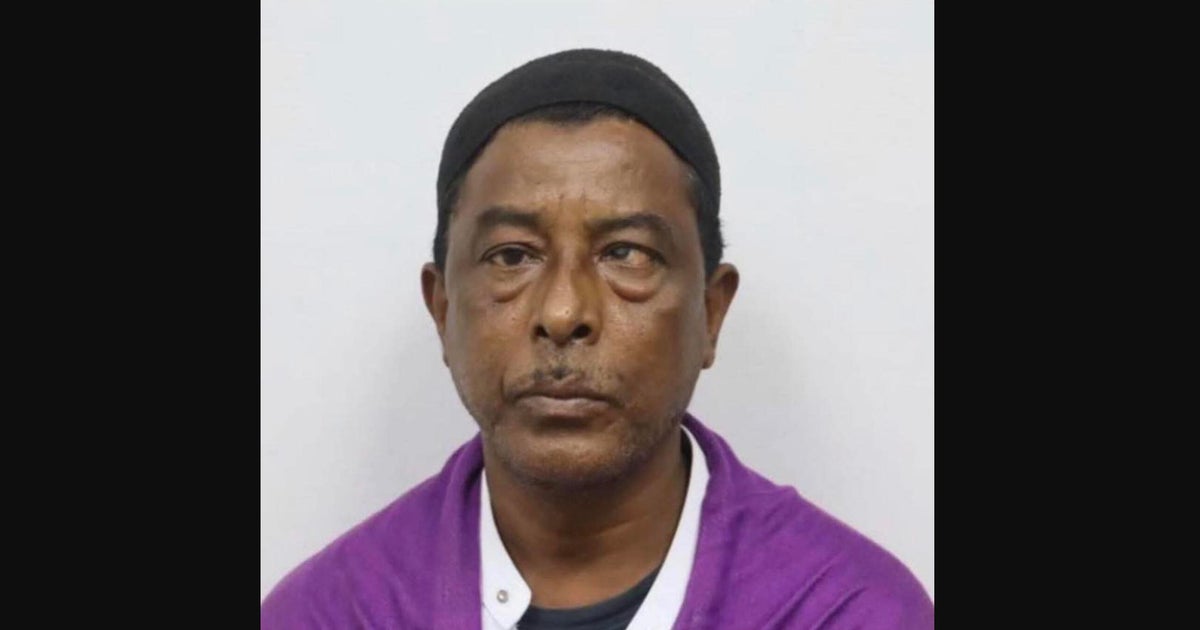
The death of Nurul Amin Shah Alam, a 56-year-old refugee, has sparked outrage and demands for a thorough investigation in Buffalo, New York. Alam’s lifeless body was discovered on a cold Tuesday night, just days after U.S. Customs and Border Protection agents dropped him off at a Tim Horton’s restaurant in the area. What makes this incident particularly heart-wrenching is the fact that Alam was nearly blind, unable to speak English, and suffering from various medical conditions that left him extremely vulnerable. His attorney and family members described him as someone who needed constant assistance and care, making the circumstances surrounding his release and subsequent death all the more troubling. The medical examiner determined that his death was health-related, but the exact sequence of events leading to this tragic outcome has raised serious questions about the treatment of vulnerable individuals in the custody of federal immigration authorities. This incident has brought to light the potential consequences of releasing medically fragile and disabled individuals without proper support systems in place, especially during harsh winter conditions in upstate New York.
Officials Condemn Border Patrol’s Actions
Buffalo Mayor Sean Ryan didn’t mince words when describing the circumstances of Alam’s death, calling it “preventable,” “deeply disturbing,” and “a dereliction of duty” by U.S. Customs and Border Protection. In his strongly worded statement, Ryan emphasized that a vulnerable man who was nearly blind and unable to communicate in English was abandoned on a frigid winter night without any apparent effort to ensure he was left in a safe and secure location. The mayor characterized the decision-making by Border Patrol agents as both unprofessional and inhumane, stating that it violated the most basic standards of human decency and government responsibility. Ryan was particularly pointed in his remarks about Buffalo’s values, noting that the city prides itself on welcoming refugees and maintaining a commitment to protecting human dignity rather than endangering it. His statement reflected the frustration and anger felt by many in the community who believe that federal authorities failed in their fundamental duty to protect a vulnerable person in their care. The mayor’s public condemnation represents a growing concern among local officials about the policies and practices of federal immigration enforcement agencies, particularly when it comes to the treatment of individuals with special needs or medical conditions.
Growing Calls for Investigation and Accountability
U.S. Representative Tim Kennedy, whose congressional district includes Buffalo, joined Mayor Ryan in demanding answers and accountability for this tragedy. In his statement to local media, Kennedy described Alam’s death as “horrific and heartbreaking,” emphasizing that Alam should still be alive and reunited with his loved ones instead of leaving his family to grieve an unimaginable loss. The congressman stressed that after enduring days of fear and uncertainty, Alam’s family now faces the devastating reality of his death under circumstances that appear to have been entirely preventable. Kennedy has called for a comprehensive and transparent investigation at the local, state, and federal levels, asserting that both the public and Alam’s family deserve immediate answers about what went wrong and who should be held accountable. This bipartisan concern from elected officials at different levels of government highlights the severity of the situation and the widespread belief that something went terribly wrong in how Alam was handled by federal authorities. The calls for investigation extend beyond simply understanding what happened to ensuring that similar tragedies don’t occur in the future, particularly for other vulnerable individuals who may find themselves in the custody of immigration enforcement agencies.
The Circumstances Leading to Alam’s Release
The events leading up to Alam’s tragic death began when he was released from the Erie County Sheriff’s Office, where he had been held on assault and weapons charges stemming from a February 2025 incident that resulted in injuries to two Buffalo police officers. According to reports from CBS affiliate WIVB, Alam had taken a plea deal earlier in the month and posted bond while awaiting his sentencing, which had been scheduled for March. It was at this point that Border Patrol agents briefly took him into their custody, having been informed by the sheriff’s office on February 19th that Alam was in their facility. What happened next has become the focus of intense scrutiny and criticism. Rather than ensuring Alam was safely returned to his family or placed in an appropriate care facility given his medical conditions and disabilities, Border Patrol agents made the decision to drop him off at a location near what they believed to be his last known address. Tragically, this information was outdated – Alam’s family had since moved from that location and were not notified of his release, leaving him alone and without any support system in an unfamiliar area during harsh winter weather.
Border Patrol’s Defense and Conflicting Accounts
Mike Niezgoda, a spokesperson for U.S. Customs and Border Protection, provided the agency’s version of events in a statement to CBS News. According to Niezgoda, Border Patrol agents offered Alam what they characterized as a “courtesy ride,” which he supposedly accepted, to a coffee shop that they determined to be a warm and safe location near his last known address. The alternative, Niezgoda suggested, would have been releasing Alam directly from the Border Patrol station. The spokesperson claimed that Alam “showed no signs of distress, mobility issues, or disabilities requiring special assistance” during his time with the agents. This account, however, stands in stark contrast to descriptions provided by Alam’s attorney and family members, who painted a picture of a man who was nearly blind, unable to speak English, and suffering from multiple medical conditions that left him highly vulnerable and in need of assistance. The conflicting narratives have raised serious questions about whether Border Patrol agents properly assessed Alam’s condition and needs, or whether they failed to recognize or adequately respond to his obvious vulnerabilities. The agency’s assertion that they left him in a “warm, safe location” has been met with skepticism given that he was found dead just days later, apparently having never made it to safety or reconnected with his family who were unaware of his release.
A Community Mourns and Demands Change
The Buffalo Police Department issued a missing person alert on Tuesday, desperately seeking the community’s help in locating Alam, which tragically was updated Wednesday afternoon to confirm that he had been found deceased. The progression from release to missing person to confirmed death within just a matter of days has left the Buffalo community in shock and mourning. This tragedy has become more than just one family’s loss – it has evolved into a symbol of what many see as systemic failures in how vulnerable individuals are treated within the immigration enforcement system. Local advocates and community organizations have rallied around Alam’s family, offering support while also demanding systemic reforms to prevent similar tragedies in the future. The incident has sparked broader conversations about the responsibilities of federal agencies when dealing with individuals who have special needs, medical conditions, or disabilities. Many are questioning what protocols should be in place before releasing someone into the community, particularly someone who is visually impaired and doesn’t speak English. The case has highlighted the potential deadly consequences of bureaucratic oversights and the critical importance of communication between agencies, families, and support systems. As investigations move forward at multiple levels of government, Alam’s death serves as a stark reminder that behind every policy decision and enforcement action are real human beings whose lives and dignity must be protected, regardless of their immigration status or legal circumstances.