


Former Prime Minister of Nepal Arrested Over Deadly Protest Crackdown
Historic Arrest Shakes Nepal’s Political Landscape
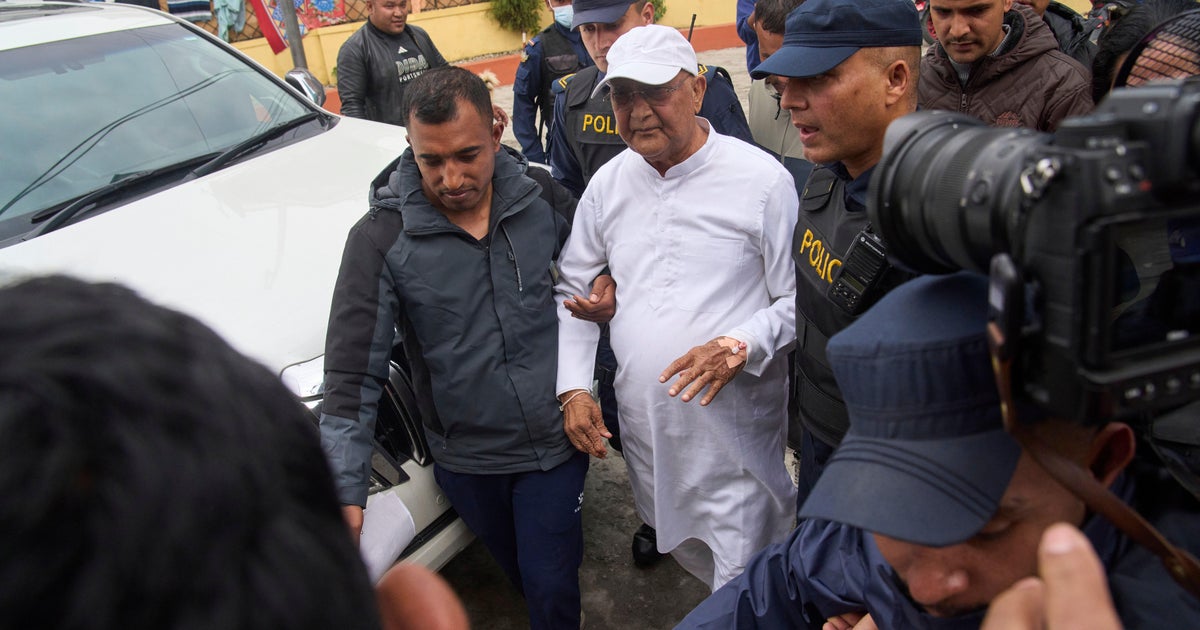
In a dramatic turn of events that has sent shockwaves through Nepal’s political establishment, former Prime Minister Khadga Prasad Oli was arrested early Saturday morning at his residence on the outskirts of Kathmandu. The arrest stems from his alleged involvement in the deaths of dozens of protesters during violent demonstrations last September that ultimately brought down his government and paved the way for new elections. Alongside Oli, authorities also took into custody Ramesh Lekhak, who served as home minister during the crisis and stands accused of giving direct orders to security forces to open fire on demonstrators. The arrests represent a significant moment in Nepali politics, marking one of the rare instances where a former prime minister has been held accountable for actions taken while in office. The powerful Communist Party leader, who had wielded considerable influence over the country’s political affairs for years, now faces serious charges related to the violent suppression of protests that left 76 people dead and over 2,300 injured during last year’s tumultuous events.
New Government Signals Commitment to Justice
The timing of these arrests is particularly noteworthy, coming just one day after Nepal’s newly elected government took office under the leadership of Balendra Shah, a rapper-turned-politician whose Rastriya Swatantra Party secured a landslide victory in recent parliamentary elections. Home Minister Sudan Gurung announced the arrests on social media with a firm message that resonated with many Nepalis who have been demanding accountability for the September violence. “No one is above the law,” Gurung declared. “We have taken former Prime Minister KP Sharma Oli and former home minister Ramesh Lekhak under control. This is not revenge against anyone, it is just the beginning of justice.” These words carry particular weight in a country where political leaders have historically enjoyed immunity from prosecution, regardless of their actions while in power. The new government’s swift action sends a clear signal that the era of impunity may be coming to an end in Nepal, reflecting the demands of the predominantly young protesters who risked their lives calling for accountability and good governance.
Investigation Recommends Serious Consequences
The legal basis for the arrests comes from an investigation conducted by a commission established during the recent interim government period. This commission thoroughly examined the events of September and the government’s response to the protests, ultimately calling for significant punishment for those found responsible for the excessive use of force against civilians. According to the commission’s findings, Oli, Lekhak, and the police chief who served during the protests could face up to 10 years in prison if convicted. The investigation documented the scale of the violence, which left 76 people dead and more than 2,300 injured, making it one of the deadliest episodes of civil unrest in Nepal’s recent history. The arrest operation itself was conducted with significant security measures, with several trucks of police officers in riot gear arriving at the homes of both men early Saturday morning. After taking them into custody, authorities transported the former officials to the Kathmandu District Police office, where they underwent procedural medical checkups as required by law before being formally processed.
Supporters Clash with Police in Protest
The arrests immediately triggered an angry response from Oli’s supporters, highlighting the deep political divisions that continue to characterize Nepali society. Hundreds of demonstrators gathered near the prime minister’s office later on Saturday, demanding the immediate release of the former prime minister from custody. The protesters, many of them members or supporters of the Communist Party of Nepal that Oli leads, chanted slogans against the new government and engaged in confrontational tactics including burning tires and blocking roads. The situation escalated into physical confrontations as protesters scuffled with riot police, who responded by using batons in attempts to clear the blocked roads and disperse the crowds. Some protesters hurled stones at police lines, creating tense scenes in the capital. While no major injuries were reported from these clashes, police detained seven protesters in connection with the disturbances. These events underscore the volatile political climate in Nepal and the passionate loyalties that different political figures continue to command, even when facing serious criminal charges.
Youth-Led Movement Transforms Nepal’s Politics
The September protests that led to these arrests represented a watershed moment in Nepali politics, driven largely by a generation of young activists frustrated with corruption, poor governance, and the perceived disconnect between political leaders and ordinary citizens. These “Gen Z” demonstrators brought unprecedented energy and determination to the streets, refusing to back down despite the violent crackdown that claimed so many lives. The scale and intensity of their anger was evident in the dramatic scenes that unfolded during the protests, as mobs burned down the offices of the prime minister and president, set fire to police stations, and destroyed the homes of top politicians. The violence reached such levels that political leaders were forced to flee the capital on army helicopters, seeking safety from the angry crowds. The election held earlier this month marked the country’s first electoral contest since these transformative events, representing a crucial test of Nepal’s democratic institutions and the will of the people for genuine change in how their country is governed.
Transition Period Brings Historic Firsts
The aftermath of the September protests led to several historic developments in Nepal’s political landscape. Perhaps most notably, the turmoil and subsequent collapse of the Oli government created the conditions for the appointment of Nepal’s first female prime minister, Sushila Karki. A retired Supreme Court judge with a reputation for integrity and independence, Karki served during the crucial transition period leading up to the recent elections, helping to stabilize the country and ensure that democratic processes could move forward despite the crisis. Her appointment was widely seen as a compromise choice acceptable to various political factions while also representing a break from the traditional male-dominated power structures that have long characterized Nepali politics. The subsequent electoral victory by Balendra Shah’s Rastriya Swatantra Party further demonstrated the appetite for change among Nepali voters, particularly younger citizens who felt their voices had been ignored by establishment politicians for too long. The arrests of Oli and Lekhak now represent another chapter in this ongoing transformation, testing whether Nepal’s institutions can truly deliver accountability and justice regardless of how powerful the accused might be.