


A Two-Decade Journey to Justice: Kenneth Windley’s Exoneration
An Innocent Man Walks Free After 20 Years
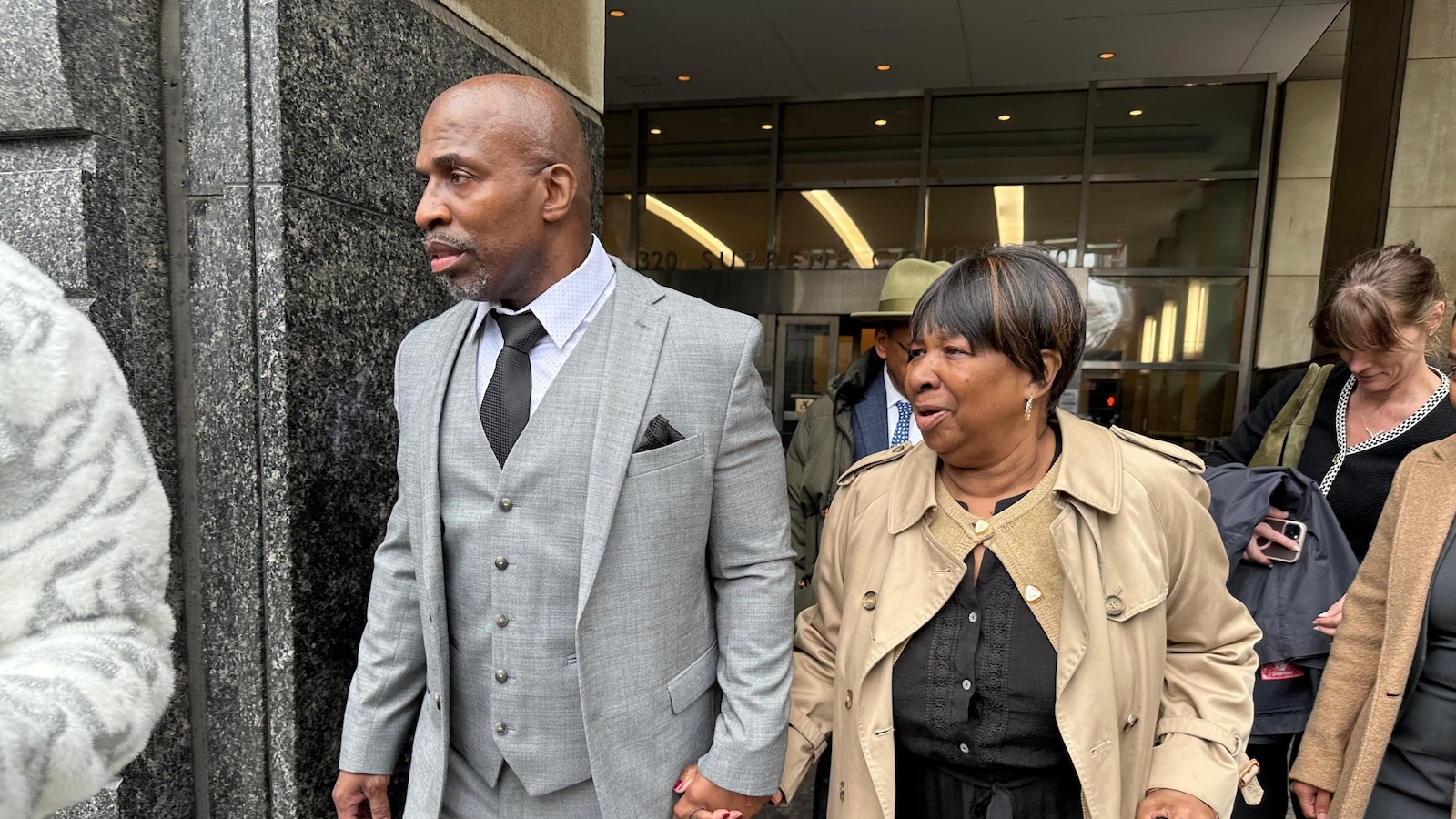
Kenneth Windley stepped out of a Brooklyn courthouse on Monday as a free man, nearly two decades after being wrongfully convicted of a robbery that netted approximately $550. At 61 years old, he experienced freedom for the first time since 2007, when he was sentenced to 20 years to life in prison. The conviction has now been overturned and his case completely dismissed, with prosecutors acknowledging that new evidence proves he never committed the crime. Despite losing two decades of his life behind bars, Windley maintained a remarkably gracious attitude, stating simply, “It cost me 20 years, but they said they corrected it now. So that’s all that matters. So I’m good with that.” His words reflected not bitterness, but a profound relief that justice had finally been served, even if it came far too late to restore the years stolen from him.
How an Innocent Purchase Led to a Life Sentence
The nightmare began in 2005 when Windley did something completely ordinary—he bought a stove for his mother. He purchased the appliance using a money order valued at $542.77, providing his name, driver’s license, and address to the store, as any legitimate customer would. What he didn’t know was that the money order had been stolen during a violent robbery of 70-year-old Gerald Ross. Two thieves had followed Ross home after he’d visited a bank and post office, then attacked him with a chokehold before stealing money orders, cash, and his bank book. Ross had a routine of purchasing money orders at that particular post office for his rent and life insurance payments, which helped authorities trace the stolen financial instruments. When investigators followed the paper trail, it led directly to Windley, who had used his real identification and made no attempt to hide his purchase—hardly the behavior of someone who knew they were using stolen property.
The Flawed Case That Destroyed a Life
From the moment of his arrest, Windley insisted he was innocent. His explanation was straightforward and believable: he had simply purchased the money order at a discount from two acquaintances who told him it was legitimate but that they couldn’t use it for bureaucratic reasons. As his lawyer David Shanies told the court on Monday, “He was duped.” Windley was an unwitting victim who had no idea he was being set up to take the fall for someone else’s crime. However, the case against him seemed solid to prosecutors at the time. Ross identified Windley in a police lineup as one of the thieves, and based largely on this eyewitness identification, a jury convicted him of robbery in 2007. Because Windley had prior felony convictions on his record, the judge handed down a devastating sentence: 20 years to life in prison. His subsequent appeals went nowhere, and it seemed his fate was sealed. What should have been a simple investigation into who actually committed the robbery instead became a tragic miscarriage of justice that would consume the next two decades of Windley’s life.
The Long Fight for Truth
Windley never stopped fighting to prove his innocence, even from behind prison walls. Early in the process, he had told prosecutors what little he knew about the men who sold him the money order—their nicknames and some fragments of information about their legal names. After his conviction, he didn’t give up. With the help of a dedicated friend and private investigators, Windley worked to piece together the full identities of the actual perpetrators and convince them to come forward with the truth. Eventually, his persistence paid off. The two real robbers provided sworn statements and agreed to interviews with representatives from the District Attorney’s office, admitting that they had robbed Ross together and that Windley had nothing to do with the crime. According to the D.A.’s report released Monday, these admissions were “compelling” evidence of Windley’s innocence. The report doesn’t reveal the names of the actual perpetrators, referring to them only as “Suspect 1” and “Suspect 2,” but notes that both are currently serving prison time for other robbery convictions—all involving male victims in their 60s and older who were followed home from banks and check-cashing offices in Brooklyn during 2005 and 2006, using the exact same method used in Ross’s robbery.
A System Failure with Devastating Consequences
Brooklyn District Attorney Eric Gonzalez, who met Windley outside the courthouse and shook his hand, acknowledged the profound failure that had occurred. “This case is really a cautionary tale of how things can seem one way but, without careful analysis, not be what it purports to be,” Gonzalez said. He admitted that had prosecutors known about the evidence that later came to light—including the confessions from the two men who had committed a series of similar robberies using identical methods—Windley’s case should never have gone to trial. “Had we known what the evidence was, this case should have never happened,” Gonzalez stated, revealing that he had apologized to Windley privately. Prosecutors concluded that if Windley’s jury had known the identities and criminal records of the two actual perpetrators, particularly their pattern of targeting elderly men in the exact manner Ross was attacked, it would likely have raised reasonable doubt about the charges against Windley. The case highlights the dangers of relying too heavily on eyewitness identification, which research has repeatedly shown can be unreliable, especially in traumatic situations. No new charges will be brought in the case—the statute of limitations expired years ago, and Ross, the victim, has since passed away.
Moving Forward Without Bitterness
As Kenneth Windley left the courthouse Monday afternoon to celebrate with his family, he demonstrated a remarkable absence of bitterness about the injustice he had suffered. “I’m just going to move on from there,” he said simply. His ability to look forward rather than dwelling on the past speaks to an extraordinary resilience and character that two decades of wrongful imprisonment couldn’t break. While nothing can restore the 20 years stolen from him—years he could have spent with family, building a career, and living the life of a free man—Windley chose to focus on the fact that the truth had finally been recognized. His exoneration represents both a personal victory and a systemic failure that should prompt serious reflection about how the criminal justice system can wrongly convict innocent people. Windley’s case serves as a powerful reminder of the human cost of wrongful convictions and the critical importance of thorough investigations, careful analysis of evidence, and the willingness to reexamine cases when new information comes to light. As he begins to rebuild his life at 61, Windley carries with him not only the vindication of his innocence but also the dignity of someone who never stopped fighting for justice, even when the system failed him completely.