


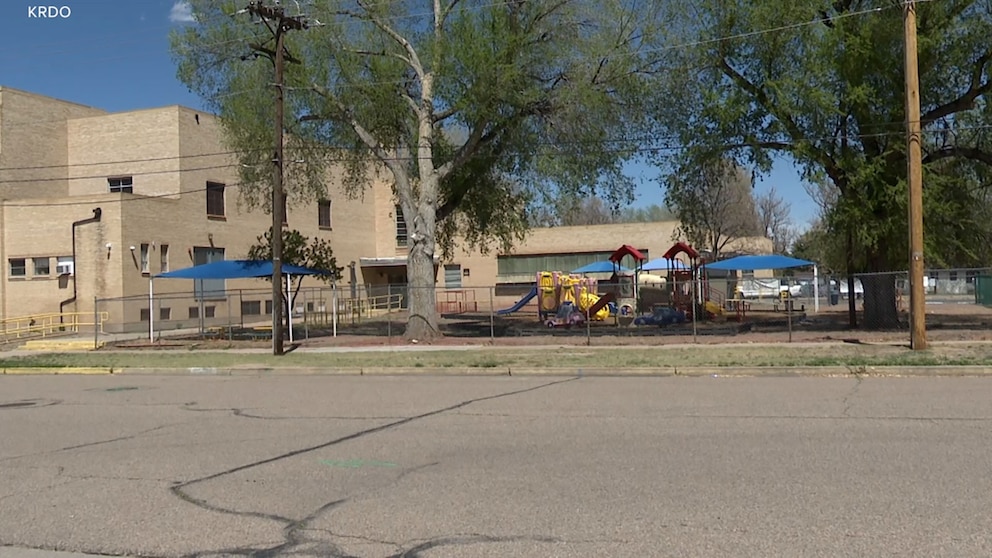

Tragic Accident Claims Life of 13-Year-Old Girl at After-School Program
A Devastating Loss That Shocked the Community
In a heartbreaking incident that has left a community reeling, a 13-year-old girl lost her life after falling approximately 25 feet through an attic floor at her after-school program facility. The tragic accident has raised numerous questions about safety protocols, supervision standards, and the responsibilities of organizations entrusted with caring for children during those critical hours between the end of the school day and when parents can pick them up. This young girl, whose name represents a life full of potential and dreams now cut tragically short, was participating in what should have been a safe, enriching environment designed to provide structure and activities for young people. Instead, her family now faces an unimaginable loss, and a community is left searching for answers about how such a devastating accident could occur in a place specifically designated for youth care and supervision.
The incident serves as a sobering reminder of how quickly tragedy can strike, even in environments we consider safe and appropriate for our children. After-school programs have become an essential component of modern family life, providing millions of children across the country with a supervised place to spend their afternoons while parents complete their workdays. These programs are meant to offer homework help, recreational activities, social interaction, and most fundamentally, a secure environment where children are protected from harm. The loss of this young girl has shattered that sense of security for countless families who rely on these programs, forcing parents everywhere to reconsider whether the facilities their children attend have adequate safety measures in place. The emotional impact extends far beyond the immediate family, touching everyone who knew this vibrant teenager and reverberating throughout the broader community of parents, educators, and youth program administrators who recognize that this tragedy could have happened anywhere.
Understanding What Happened and How
According to initial reports, the incident occurred when the teenager somehow gained access to an attic space at the after-school program facility and fell through the floor, plummeting approximately 25 feet to the ground below. The specific circumstances that led to her being in the attic remain under investigation, including questions about whether the area was properly secured, how she accessed this dangerous location, what level of supervision was present at the time, and whether adequate safety barriers were in place to prevent such access. Attic spaces in buildings are typically not intended for regular human traffic and often have flooring that consists of nothing more than ceiling joists with insulation between them—not solid flooring capable of supporting a person’s weight. When someone steps between these joists or onto inadequate flooring, a fall through the ceiling below becomes a very real danger.
Emergency responders were called to the scene immediately after the fall occurred, and the young girl was transported to a medical facility for treatment of her injuries. Despite the best efforts of medical professionals, the injuries sustained from the 25-foot fall proved fatal. The trauma associated with such a significant fall is often catastrophic, particularly when the victim lands on a hard surface from such a height. Medical experts note that falls from this distance frequently result in severe head trauma, spinal injuries, broken bones, and internal organ damage—injuries that can be life-threatening even with immediate medical intervention. The fact that this young person was enjoying an ordinary afternoon at a program designed for her age group, only to suffer such a terrible fate, makes the tragedy all the more difficult to comprehend and accept.
The Critical Questions About Safety and Supervision
In the aftermath of this devastating incident, numerous critical questions have emerged regarding the safety protocols and supervision standards at the after-school program. Primary among these concerns is how a 13-year-old was able to access an attic space that should have been secured and off-limits to program participants. Proper facility management dictates that dangerous areas—including attics, mechanical rooms, storage areas with hazardous materials, and roof access points—should be locked and inaccessible to children at all times. Investigators will likely examine whether doors or access points to the attic were properly secured, whether warning signs were posted, and whether staff members were aware of potential access points that needed monitoring. Additionally, questions about the level of supervision present at the time of the accident are paramount. After-school programs are expected to maintain appropriate staff-to-student ratios that ensure children are adequately monitored, and any lapse in supervision that allowed a child to wander into a dangerous area unnoticed represents a serious failure in duty of care.
Beyond the immediate circumstances of this particular incident, the tragedy highlights broader concerns about safety standards across after-school programs nationwide. Unlike traditional schools, which are subject to extensive building codes, safety regulations, and regular inspections, after-school programs often operate in a variety of settings with varying levels of oversight. Some programs operate within school buildings during after-school hours, while others function in community centers, religious facilities, converted residential properties, or standalone buildings. The regulatory framework governing these facilities can vary significantly by state and locality, and not all jurisdictions have comprehensive safety requirements specifically tailored to the unique needs of after-school youth programming. This patchwork of regulations means that the safety standards a child experiences at their after-school program may depend largely on where they live and which organization operates the program, rather than on consistent, universal safety principles designed to protect all children equally.
The Broader Impact on Families and Communities
The ripple effects of this tragedy extend far beyond the immediate family who lost their daughter. Fellow students at the after-school program who may have witnessed the accident or its aftermath will likely require counseling and support to process what they experienced. Adolescence is already a challenging developmental period, and exposure to traumatic events during these formative years can have lasting psychological impacts if not properly addressed. The staff members present at the time of the incident are also victims of this tragedy in a sense, facing not only potential feelings of guilt and responsibility but also the trauma of having witnessed or responded to such a horrific accident. The facility operators, meanwhile, face the devastating knowledge that a child died while under their care, along with the certainty of investigations, potential legal consequences, and the likelihood that their program may never recover from the reputational damage.
For parents throughout the community and beyond, this incident serves as a wake-up call about the importance of thoroughly vetting the after-school programs to which they entrust their children. Many parents, constrained by work schedules and limited options, must rely on available programs without the luxury of extensive research or facility tours. This tragedy underscores the importance of asking detailed questions about safety protocols, requesting to see facilities in their entirety, understanding staff training and supervision ratios, and being aware of how programs handle facility security and access to dangerous areas. Parents should feel empowered to inquire about incident histories, safety inspection records, insurance coverage, and emergency response procedures. While no amount of diligence can eliminate all risk from life, informed decision-making can help parents identify programs that prioritize safety and take their responsibilities seriously.
Moving Forward: Preventing Future Tragedies
In the wake of this heartbreaking loss, attention must turn toward preventing similar tragedies in the future. This begins with comprehensive facility assessments at all after-school program locations to identify and secure potential hazards. Every access point to dangerous areas should be inventoried, secured with appropriate locks or barriers, and regularly checked to ensure security measures remain effective. Staff training should include specific instruction on facility safety, hazard awareness, and the critical importance of knowing where students are at all times. Supervision protocols should be clearly defined, with specific staff assignments that ensure no areas where students are permitted go unmonitored.
Beyond individual program improvements, this tragedy should prompt legislative and regulatory action to establish more consistent safety standards for after-school programs across all jurisdictions. Model legislation could establish minimum facility safety requirements, mandatory safety inspections, staff training standards, supervision ratios based on age groups, and clear liability frameworks that incentivize safety compliance. Organizations that operate after-school programs should also embrace transparency, willingly sharing their safety protocols, incident histories, and inspection results with parents who are making critical decisions about their children’s care. The goal should be creating a culture where safety is not merely a checkbox exercise but a fundamental value embedded in every aspect of program operation. While we cannot undo this terrible tragedy or bring back the young life that was lost, we can honor her memory by ensuring that the lessons learned lead to meaningful changes that protect other children from similar fates. Every child deserves to spend their after-school hours in an environment where their safety is paramount, where adults take their protective responsibilities seriously, and where facilities are maintained and secured with young lives in mind.