



Consumer Reports Reveals the Best Cars for 2026: The Year Electrification Takes Center Stage
A Green Revolution in Automotive Excellence
Car shoppers looking to make environmentally conscious decisions without sacrificing safety or performance have plenty to celebrate this year. Consumer Reports has released its highly anticipated rankings for 2026’s top vehicles, and the results mark a historic turning point in the automotive industry. For the first time ever, every single vehicle in their top 10 list comes available in either electric or hybrid versions—a milestone that signals just how far alternative fuel technology has come. According to Alex Knizek, director of auto test development at Consumer Reports, “Everything here is electrified, so to speak.” This shift represents more than just a trend; it’s a fundamental transformation in how vehicles are designed and manufactured.
What makes this year’s rankings particularly exciting for everyday consumers is that several of these top-performing vehicles come with price tags below the $50,000 average for new cars. This means that choosing a fuel-efficient, environmentally friendly vehicle no longer requires breaking the bank or settling for less in terms of quality, safety, or features. The benefits of going hybrid or electric extend beyond just saving money at the pump—these vehicles offer noticeably better acceleration, quieter cabins that make for more peaceful drives, and improved overall fuel economy that can save thousands of dollars over the vehicle’s lifetime. Consumer Reports bases these rankings on rigorous testing, purchasing and evaluating approximately 50 new vehicles annually through dozens of road tests, government crash tests, insurance industry safety assessments, and real-world reliability and satisfaction data gathered from thousands of vehicle owners.
Standout Sedans: Honda and Toyota Lead the Pack
Among the smaller vehicles that made the cut, the Honda Civic has earned its place as the best small car, making its debut in Consumer Reports’ top 10 with a base price of just $24,695. This long-time favorite among budget-conscious car buyers has proven that affordability doesn’t mean compromising on quality. While Honda offers three different Civic sedan models, Consumer Reports specifically recommends the hybrid version as the best choice. This model delivers all the benefits drivers have come to expect from the gas-powered versions while adding impressive fuel efficiency at 44 miles per gallon and superior acceleration, zipping from zero to 60 mph in just 7.5 seconds. Honda first introduced a hybrid version of the Civic back in 2003, demonstrating the company’s long-standing commitment to fuel-efficient technology. According to Knizek, the hybrid model doesn’t just save fuel—it’s also noticeably quieter and more powerful than its gas-powered counterpart, making for a more enjoyable driving experience whether you’re commuting to work or taking a weekend road trip.
In the midsize car category, the Toyota Camry has claimed top honors with a significant twist: it’s now sold exclusively as a hybrid, with no gas-only option available. Starting at $29,100, this practical family sedan has earned praise from Consumer Reports for its spacious interior and user-friendly controls that don’t require a engineering degree to understand. “It handles well, it rides well, looks pretty good, too,” Knizek explained. “So it’s just a well-rounded sedan.” The vehicle represents Toyota’s confidence in hybrid technology and their belief that it’s ready to fully replace traditional gas engines in this popular model. The only notable drawback mentioned in the review is that the lower placement of both front and rear seats might make getting in and out a bit challenging for some drivers, particularly those with mobility issues or taller individuals who might find the seating position less comfortable than higher-riding SUVs.
SUV Champions: Subaru and Toyota Dominate Multiple Categories
The SUV categories saw fierce competition, but several models stood out for their combination of capability, comfort, and efficiency. In the subcompact SUV class, the Subaru Crosstrek took the crown with a starting price of $26,995. Available in both hybrid and gas-powered versions, this versatile vehicle impressed reviewers with its secure handling and ability to tackle “off-pavement excursions”—perfect for adventurous drivers who occasionally venture beyond paved roads. Knizek had particular praise for both the Crosstrek and its larger sibling, the Subaru Forester, highlighting qualities that often get overlooked in vehicle reviews. “Where they really shine is they’re reliable,” he explained. “But they are fuel efficient, and this is going to sound silly, but you can see out of them really well.” That last point might sound trivial, but excellent visibility is actually a crucial safety feature that has been compromised in many modern vehicles with their thick pillars and high beltlines designed for style over function.
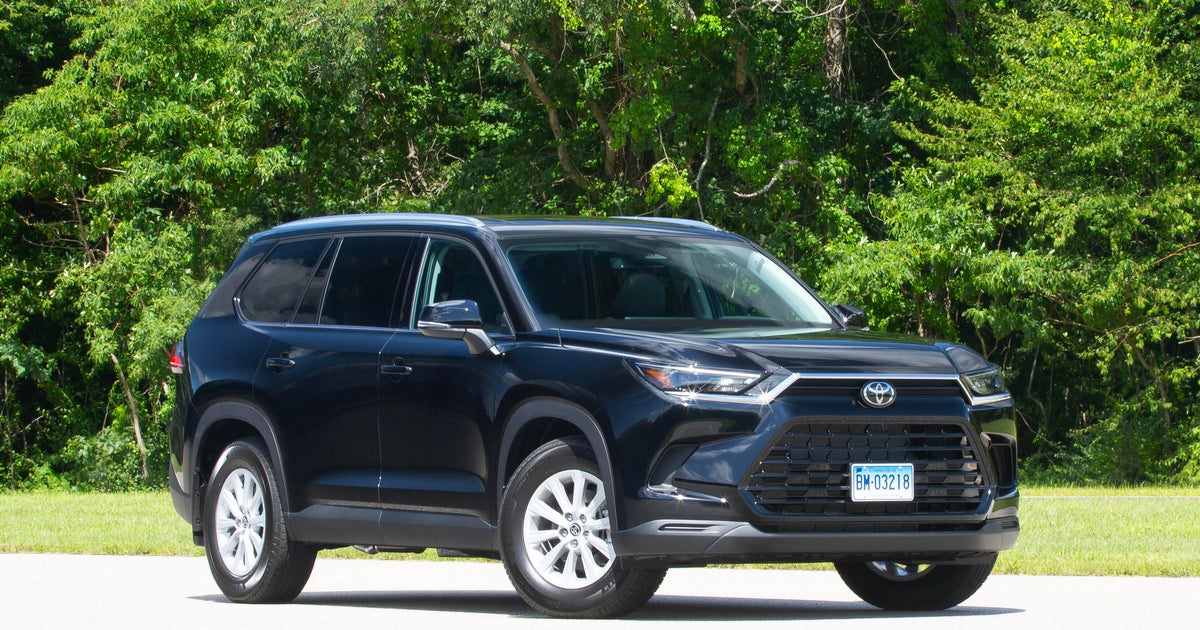
Speaking of the Forester, this compact SUV earned its own spot in the top 10 with a base price of $29,995. Subaru introduced a hybrid version just last year, which the company claims delivers 40% better fuel economy than the traditional model—a significant improvement that translates to real savings over time. Consumer Reports highlighted the Forester’s excellent visibility (a recurring Subaru strength), comfort for both driver and passengers, comprehensive safety features, and spacious interior that makes it practical for families or anyone who needs to haul gear regularly. For those needing even more space, the Toyota Grand Highlander claimed the title of best midsize SUV. This three-row vehicle offers a genuinely roomy interior where even third-row passengers won’t feel cramped, and its 18-inch wheels contribute to a smooth, comfortable ride that soaks up road imperfections. With fuel economy of 35 mpg overall and a base price of $41,660, it represents a sweet spot for larger families. “There are other three-row SUVs, but to get one that’s this spacious and has a fuel-efficient hybrid option is pretty rare,” Knizek noted, emphasizing how difficult it typically is to find a vehicle that doesn’t force buyers to choose between space and efficiency.
Luxury Options That Don’t Sacrifice Practicality
For buyers with larger budgets seeking premium features, the luxury categories offered impressive options that combine elegance with environmental consciousness. The Lexus NX took honors as the best luxury compact SUV, earning high marks for its high-quality interior design and exceptional comfort. Consumer Reports was particularly impressed with the “especially plush and supportive” front seats—the kind of detail that makes long drives genuinely pleasant rather than endurance tests. With a base price of $44,175, the NX comes in three versions: fully gas-powered, regular hybrid, or plug-in hybrid, giving buyers flexibility based on their specific needs and charging infrastructure availability. The hybrid version combines serious performance with a powerful 304-horsepower engine while still delivering impressive fuel efficiency, and the plug-in version can travel 37 miles on electricity alone—enough for many people’s daily commutes without using a drop of gasoline.
In the luxury midsize SUV category, the BMW X5 earned Consumer Reports’ praise as one of the best luxury vehicles they’ve ever tested, period. The vehicle features supportive seats that remain comfortable even on long journeys and a meticulously crafted interior that justifies its premium positioning. Available in both gas-only and hybrid versions, the plug-in hybrid model offers a 39-mile electric-only range for emission-free local driving. What particularly impressed the reviewers was BMW’s reliability, which has historically been a weak point for luxury brands. “With a lot of luxury brands, just on average, we don’t see the best reliability. But BMW has really bucked that trend, the X5 included,” Knizek explained. “Beyond the reliability of it, it’s just a really, really compelling luxury SUV.” As the most expensive vehicle on the top 10 list with a base price of $67,600, it represents a significant investment, but one that apparently delivers on both the practical and emotional levels that luxury buyers expect.
Trucks and Electric Vehicles Round Out the Winners
Truck buyers weren’t left out of this year’s top picks, with two Ford models earning recognition in their respective categories. The Ford Maverick claimed the title of best small pickup truck with an attractive starting price of just $28,145, making it one of the most affordable vehicles on the entire list. Available in both hybrid and gas-powered versions, the fuel economy difference is dramatic: 37 mpg for the hybrid versus 23 mpg for the gas version. Despite its smaller size, it’s no toy, with the capability to tow 4,000 pounds according to Ford’s specifications. The more compact footprint offers advantages beyond just price, as Knizek explained: “If you’re in a city-type of setting and you need a truck, this is something a little bit more manageable.” For those who need truck utility without the challenge of parking and maneuvering a full-size beast in urban environments, the Maverick offers an appealing middle ground.
For those who need the capabilities of a full-size truck, the Ford F-150 earned the top spot in its category with a starting price of $37,290. Available in both gas-powered and hybrid versions, America’s perennial best-selling vehicle has steadily improved its reliability over time. “The reliability has slowly crept up over time,” Knizek noted. “It’s nice to be able to point people toward a truck that’s going to serve them pretty well.” The F-150 comes loaded with helpful features including blind-spot monitors and driving aids that simplify challenging tasks like backing up and hooking up trailers—conveniences that anyone who’s struggled with these maneuvers in a large vehicle will genuinely appreciate. Finally, representing pure electric vehicles, the Tesla Model Y claimed the title of best EV with a base price of $39,990. Launched in 2020, the Model Y has seen its reliability improve with time and benefits from integration with Tesla’s Supercharger network, which Knizek says “still has yet to be topped” by competing charging infrastructure. However, reviewers noted some downsides, including potentially distracting interior controls and a recommendation against using Tesla’s advertised self-driving feature. Despite these caveats, the Model Y represents the current pinnacle of fully electric vehicle technology in terms of the complete ownership experience, proving that the future of driving is already here and surprisingly affordable.