


A Family’s Desperate Search for Answers: The Tragic Death of Mohammad Nazeer Paktiawal
A Father Taken, A Family Left in Darkness
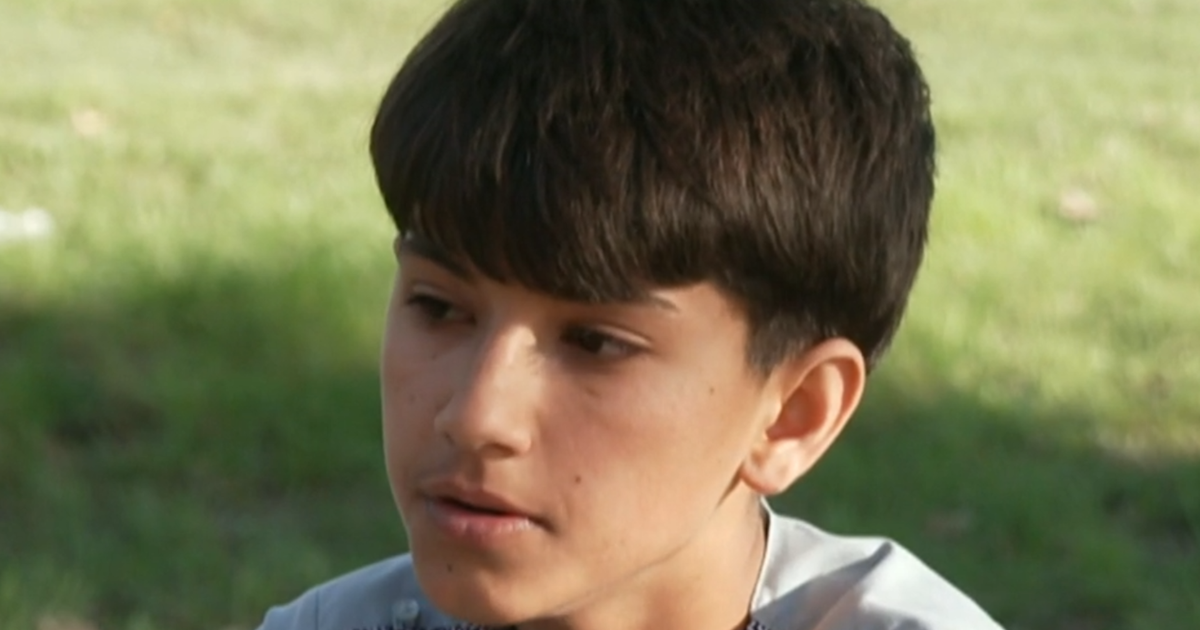
The Paktiawal family’s morning of March 13th began like any other day in their Richardson, Texas home. Mohammad Nazeer Paktiawal, a 41-year-old Afghan immigrant and father of six, was preparing to take his children to school when Immigration and Customs Enforcement officers arrived at their door. What happened next has left his family shattered and searching desperately for answers. Without explanation, officers took Paktiawal into custody while his children watched helplessly, their cries for information met with silence. Less than 24 hours later, Mohammad Nazeer Paktiawal was dead in a Dallas hospital, becoming the 12th person to die in ICE custody this year. His 12-year-old son, Imrain, struggles to understand how his healthy father could be gone so suddenly. “I just want answers for my dad,” the young boy told reporters, his voice carrying the weight of confusion and grief that now defines his family’s existence. “That’s it. I want to know why he died. He was healthy.” This tragedy comes at a time when deaths in ICE detention have reached alarming levels, with 31 detainees dying in the previous year—a two-decade high that raises serious questions about conditions and care in immigration custody.
The Morning Everything Changed
Naseer Paktiawal, Mohammad’s brother, remembers receiving the frantic call from his sister-in-law that morning with painful clarity. “She say that, ‘Some people show up from nowhere, and they just took your brother,'” he recalled, the disbelief still evident in his voice. The family was given no warning, no explanation for why federal immigration officers had come to their home. The scene that unfolded was one of chaos and confusion, with Paktiawal’s children desperately trying to understand what was happening to their father. “His kids were screaming, asking for help, asking question, ‘Who are you guys? Why are you guys arresting my father, my dad?’ No one answered those children,” Naseer said, describing the traumatic moment that would forever change their lives. The officers simply placed Mohammad in their vehicle and drove away, leaving a family in shock and children without answers to their pleading questions. For a family that had already survived the harrowing experience of fleeing Afghanistan during the Taliban takeover, this new trauma on American soil felt incomprehensible. They had come to the United States seeking safety and a new beginning, not expecting that their journey would end in such a devastating loss.
A Complicated Legal Status and Unresolved Charges
According to ICE’s official statement, Mohammad Nazeer Paktiawal had been brought to the United States in August 2021 under a humanitarian parole policy—the same program the Biden administration used to evacuate and welcome tens of thousands of Afghans following the Taliban’s seizure of power in Afghanistan. This policy allowed certain immigrants to live and work temporarily in the United States on humanitarian grounds, offering a lifeline to those who had supported American efforts in Afghanistan. ICE stated that Paktiawal’s parole status was set to expire on August 20, 2025, meaning he still had several months of legal status remaining at the time of his detention. The agency also revealed that Paktiawal had been arrested twice in the Dallas area during the previous year on local fraud and theft charges. However, the Dallas County District Attorney confirmed that Paktiawal had not been convicted in either case at the time of his death. One arrest stemmed from an allegation that he had stolen groceries and other items from a Walmart store in Garland, Texas. While these arrests became part of the official narrative surrounding his detention, Naseer insists they don’t tell the complete story of his brother’s life and character, especially given the context of the family’s difficult adjustment to life in a new country after fleeing war.
A Hero’s Service Disputed and Documented
Naseer Paktiawal maintains that his brother’s life story is far more complex and honorable than any police report can convey. According to Naseer, Mohammad served for a decade in the Afghan military as part of special forces, fighting in some of the most dangerous regions of Afghanistan alongside American troops. “My brother, he was a wartime hero and he was a soldier, a warrior alongside with U.S. Army,” Naseer said with evident pride and pain. “He was special forces in the most dangerous places in Afghanistan.” This claim has created a significant point of contention with official records. The Department of Homeland Security issued a statement saying it “has no record of this individual serving alongside American forces,” directly contradicting the family’s account. However, Naseer has produced what he believes to be compelling evidence of his brother’s military service—documents and a badge that he says prove Mohammad fought alongside U.S. soldiers in Afghanistan. He even showed reporters photographs of what he claims are American soldiers his brother worked with during his time in the Afghan military. Naseer emphasizes that his brother came to the United States through entirely legal channels, having been “interviewed, fingerprinted, screened” as part of the official evacuation process. “He did not cross the border,” Naseer stressed. “Legally went through all the system, complete all the procedures, not just him… his entire family.” For the family, this distinction is crucial—they followed every rule and procedure, yet still found themselves caught in a system that seemed to offer no protection or explanation when tragedy struck.
The Final Hours: Conflicting Accounts of Care and Crisis
The timeline of Mohammad Nazeer Paktiawal’s final hours remains shrouded in troubling uncertainty, with the family’s experience conflicting with official accounts. According to ICE’s statement, on the night of March 13th, Paktiawal “began complaining of shortness of breath and chest pains while in an ICE Dallas Field Office processing hold room” and was “immediately” taken to Parkland Health hospital in Dallas. The agency stated he remained at the hospital “for observation” through the night. The following morning, ICE reported that Paktiawal “was eating breakfast when medical staff noted that his tongue had become swollen, prompting a medical response.” Despite multiple lifesaving efforts, he was declared dead at 9:10 a.m. on March 14th. However, Naseer’s recollection of his phone conversation with his brother on March 13th paints a different picture of the care and attention Mohammad received. “The first thing that I heard from him, he said, ‘Naseer, I don’t know where am I right now, and I’m not feeling well,'” Naseer recalled, his voice heavy with the memory. “That’s the first word that I heard from him, ‘I’m not feeling well.’ I told him, ‘OK, so let me talk to whoever that officer is.'” When Naseer spoke to the immigration officer, he pleaded for help, explaining that his brother was experiencing pain and didn’t feel well. The officer’s response, according to Naseer, was dismissive: “Don’t worry about it… we have nurse. We will take care of him.” Then the officer hung up the phone. That was the last time Naseer would speak with his brother alive. The family didn’t receive Mohammad’s body until Tuesday, several days after his death, and they still have received no clear explanation of what caused his death or whether more could have been done to save him.
A Family’s Grief and a Son’s Memory of His Hero
In the aftermath of this tragedy, the Paktiawal family is left with more questions than answers, struggling to grieve while also fighting for information about what happened to their loved one. Naseer has become the family’s voice, repeatedly asking officials to explain his brother’s death. “Nobody’s answering to me that what happened to my brother,” he said in frustration and anguish. “Why is he dead?” ICE has said the death remains under investigation, but for a family already traumatized by war, displacement, and now this sudden loss, the silence from authorities feels like another abandonment. For 12-year-old Imrain, the loss of his father is a wound that will never fully heal. At an age when children need guidance, stability, and the presence of their parents, he must now process the incomprehensible reality that his father left home one morning and never came back. The boy’s words about his father reveal the depth of the loss—not just for him personally, but for what his father represented. “He was a good dad,” Imrain said simply. “He was a hero, and he will always be a hero.” These words carry profound meaning for a child of an Afghan immigrant who reportedly fought alongside American forces, was evacuated to the United States for safety, and then died in federal custody before his children could fully understand why he was taken from them. The Paktiawal family’s story represents a troubling pattern in an immigration detention system that saw deaths reach a 20-year high, raising urgent questions about medical care, oversight, and accountability. As they wait for answers that may never come, six children are growing up without their father, and a family that survived war and displacement now faces an American tragedy that has left them shattered and searching for justice and truth.