



Understanding the Recent Surge in U.S. Gas Prices: What’s Behind the Pain at the Pump
The Sharp Rise in Fuel Costs
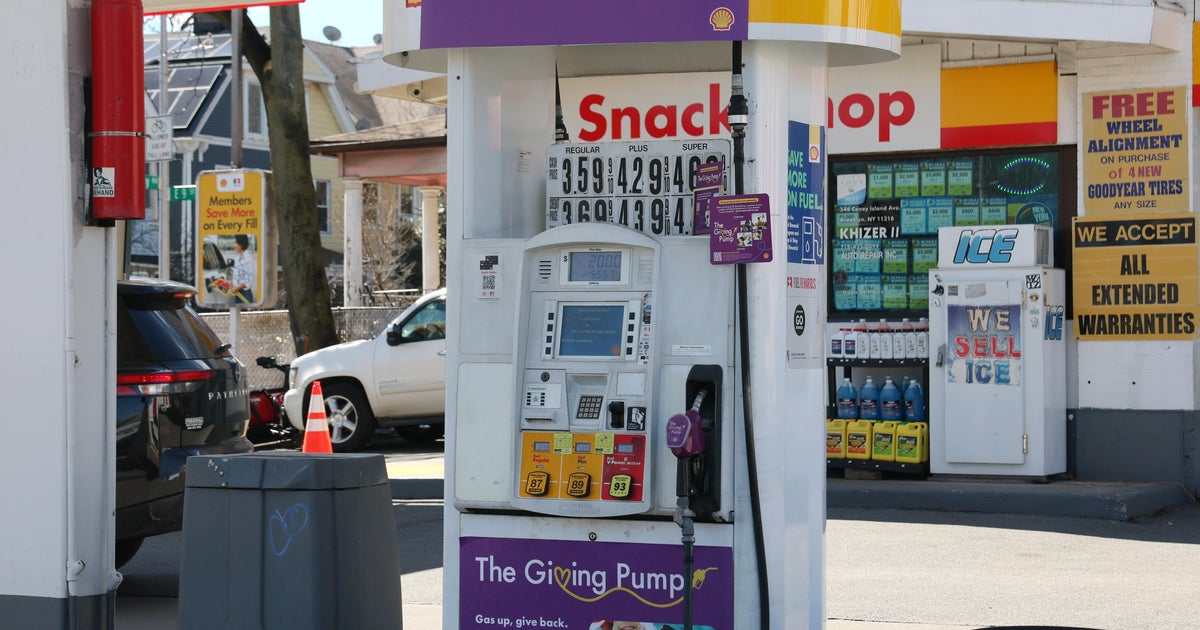
Americans are feeling the pinch at gas stations across the country as fuel prices have climbed dramatically in recent weeks. As of Wednesday, the average price for a gallon of regular gasoline reached $3.84, marking a significant jump from just $2.92 per gallon a month earlier. This represents the highest prices drivers have seen since September 2023, according to the latest data from AAA. The rapid increase means that filling up your tank now costs considerably more than it did just a few weeks ago, putting additional strain on household budgets already stretched by inflation in other areas. The situation is even more severe for diesel fuel, which is essential for trucking, farming, and many commercial operations. Diesel prices crossed the psychologically important $5 per gallon threshold on Tuesday for the first time since 2022, and in some states, the situation is even more dire. Californians, Hawaiians, and Washington residents are now paying over $6 per gallon for diesel, a price point that threatens to increase costs throughout the supply chain since diesel powers the trucks that deliver goods to stores nationwide.
The Middle East Conflict and Its Global Impact
The primary driver behind these escalating fuel costs is the ongoing conflict involving Iran and its effects on the Middle East’s energy infrastructure. The region, which supplies a significant portion of the world’s oil, has become increasingly unstable following military actions that began on February 28, when the United States and Israel launched attacks against Iran. Since then, tensions have continued to escalate, with Iran making threats against the oil and gas infrastructure of neighboring countries including Qatar, Saudi Arabia, and the United Arab Emirates. These threats came after Iran claimed that some of its own gas fields and related infrastructure had been targeted in attacks. The Strait of Hormuz, a narrow waterway through which a substantial portion of the world’s oil passes, has become a particular point of concern. Shipping through this critical chokepoint has slowed as companies and insurers grow increasingly nervous about the safety of vessels transporting oil through the region. Any disruption to the flow of oil through the Strait of Hormuz has immediate and significant effects on global oil supplies and, consequently, on prices at gas pumps thousands of miles away in American towns and cities.
Understanding Crude Oil’s Role in Gas Prices
To understand why events in the Middle East have such a direct impact on what Americans pay at the pump, it’s important to recognize the connection between crude oil prices and gasoline costs. In the United States, crude oil accounts for approximately 51% of the price of a gallon of gas, making it the single largest component of what drivers pay. The price of Brent crude, which serves as the international benchmark for oil pricing, has experienced a dramatic surge in recent weeks. Just before the February 28 attacks on Iran, Brent crude was trading at roughly $70 per barrel. By Wednesday afternoon, it had skyrocketed to as high as $111.45 per barrel, according to financial data from FactSet. Similarly, the price of U.S. benchmark crude oil rose to $99.24 per barrel, approaching the symbolically significant $100 mark. These increases represent a jump of nearly 60% in just over a month, an extraordinarily rapid rise that reflects the uncertainty and supply concerns gripping global energy markets. The volatility in crude prices has been particularly notable, with prices swinging dramatically from day to day as traders react to news from the Middle East and attempt to assess the risks to oil production and shipping in the region.
Market Uncertainty and Expert Perspectives
Energy experts are watching the situation closely, trying to gauge how markets will respond to the ongoing threats and counterthreats in the Persian Gulf. Patrick De Haan, a petroleum analyst at GasBuddy, has suggested that oil markets may be taking a wait-and-see approach regarding Iran’s latest threats to attack oil infrastructure in neighboring countries. The key questions that traders and analysts are grappling with include whether Iran will actually follow through on its threats, what form any such attacks might take, and how the United States and its allies might respond to further escalation. De Haan notes that the answers to these questions will ultimately be “baked into the price of oil,” meaning that as the situation develops and becomes clearer, oil prices will adjust accordingly. This uncertainty is part of what’s driving the volatility in crude prices, as traders try to price in the risk of various scenarios. The supply chain disruptions are compounded by production cuts from major oil producers across the Middle East, adding another layer of pressure on global supplies at a time when demand remains relatively strong. For American consumers, this translates into not just higher prices but also uncertainty about where prices might head in the coming weeks and months.
Government Response and Its Limitations
In an attempt to address rising energy costs, the White House has taken some action, though experts question how effective these measures will be. On Wednesday, President Trump issued a 60-day waiver of the Jones Act, a century-old maritime law that requires goods shipped between American ports to be transported on ships that are U.S.-built, U.S.-flagged, and crewed by American workers. The theory behind suspending this regulation is that it would allow more flexibility in moving oil and refined petroleum products between U.S. ports, potentially easing supply constraints in certain regions and helping to moderate prices. However, Patrick De Haan has characterized this measure as merely a “band-aid” solution that is unlikely to produce a sharp reduction in gas prices. The reason for this skepticism is straightforward: the Jones Act waiver addresses a relatively minor aspect of the supply chain while the much larger issue—the risks and disruptions in the Strait of Hormuz and the Middle East generally—remains unresolved. Oil markets are primarily focused on the fundamental questions of supply security and the potential for further disruptions to production or shipping in the world’s most critical energy-producing region. No domestic policy adjustment can fully offset the impact of a major supply disruption in the Middle East.
What This Means for American Consumers and the Economy
The implications of sustained high fuel prices extend far beyond the immediate pain drivers feel when filling their tanks. Gasoline and diesel prices affect virtually every aspect of the economy because transportation costs are embedded in the price of nearly all goods and services. When diesel prices rise above $5 or $6 per gallon, trucking companies face dramatically higher operating costs, which they typically pass along to retailers, who in turn pass them along to consumers. This means that higher fuel prices can contribute to broader inflation, affecting everything from grocery prices to the cost of manufactured goods. For families, especially those in rural areas or those who commute long distances for work, the increase from $2.92 to $3.84 per gallon represents a significant budget impact. A family that uses 15 gallons of gas per week is now paying about $13.80 more each week, or roughly $55 more per month, than they were just a month ago. For households living paycheck to paycheck, this is not a trivial amount. Looking ahead, the trajectory of gas prices will depend largely on developments in the Middle East. If tensions de-escalate and shipping through the Strait of Hormuz returns to normal, prices could moderate. However, if the conflict escalates further or if Iran follows through on its threats to attack oil infrastructure in neighboring countries, prices could climb even higher. For now, American consumers are left to adapt to a new reality of higher fuel costs while hoping that diplomatic efforts might help to ease the crisis that’s driving these increases.