
Venezuela Stuns the Baseball World; WNBA Players Set for Historic Salary Boost
Venezuela’s Historic World Baseball Classic Victory
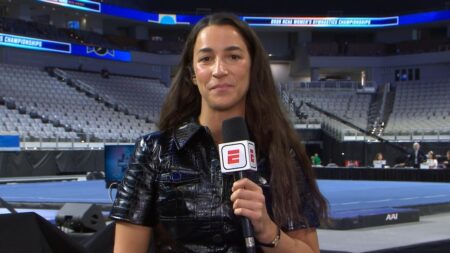
In what many are calling one of the greatest upsets in international baseball history, Venezuela defeated the United States to claim the World Baseball Classic title, sending shockwaves throughout the baseball community. The underdog victory represents a monumental achievement for Venezuelan baseball and challenges the long-held dominance of traditional powerhouses in the sport. ABC News correspondent Perry Russom sat down with ESPN experts Jesse Rogers and Alexa Philippou to discuss this stunning outcome and what it means for the future of international baseball competition. The Venezuelan team, comprising a mix of Major League Baseball stars and talented players from their domestic league, displayed exceptional teamwork, clutch hitting, and stellar pitching throughout the tournament. Their journey to the championship was marked by dramatic comebacks and nail-biting finishes that captivated audiences worldwide. The victory celebration that erupted across Venezuela was a testament to how deeply baseball is woven into the nation’s cultural fabric, with millions taking to the streets to honor their heroes who had accomplished what many thought impossible.
The game itself was a masterclass in execution under pressure, with Venezuela’s players rising to the occasion when it mattered most. Despite facing a U.S. roster stacked with All-Stars and future Hall of Famers, the Venezuelan squad never showed intimidation or wavered in their belief that they could win. Their preparation, led by a coaching staff that emphasized fundamental baseball and mental toughness, paid dividends when the championship was on the line. Analysts have pointed to Venezuela’s superior team chemistry and hunger as decisive factors that gave them an edge over a perhaps more individually talented American team. The upset has sparked conversations about the depth of baseball talent in Latin America and whether the traditional power structures in international baseball are shifting. For a country that has faced significant economic and political challenges in recent years, this championship provides a source of immense national pride and unity, reminding Venezuelans of their rich baseball heritage and the excellence they can achieve on the world stage.
WNBA Players Achieve Breakthrough Contract Agreement
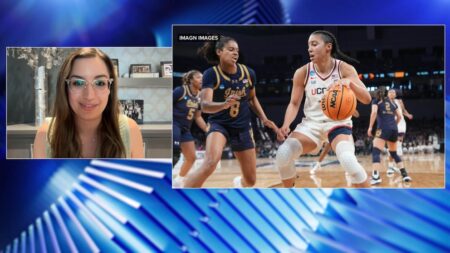
In equally significant sports news, Women’s National Basketball Association players have reached a groundbreaking union agreement that will substantially increase salaries across the league, marking a transformative moment for women’s professional sports in America. The new collective bargaining agreement represents years of advocacy, negotiation, and persistent efforts by WNBA players to receive compensation that better reflects their talent, dedication, and the value they bring to the sport. This salary boost is being celebrated not just as a financial victory but as a crucial step toward gender equity in professional athletics, where female athletes have historically been paid a fraction of what their male counterparts earn despite similar levels of skill, commitment, and fan engagement. The agreement includes provisions for increased base salaries, enhanced benefits packages, improved travel accommodations, and greater investment in marketing initiatives that will raise the profile of WNBA players and the league as a whole.
The road to this agreement was paved by a generation of WNBA players who refused to accept the status quo and who courageously used their platforms to advocate for change. Stars across the league have spoken candidly about the financial struggles many players face, with some needing to play overseas during the offseason just to earn a livable income. These revelations sparked public support for the players’ cause and put pressure on the league and team owners to address the glaring compensation disparities. The new deal is expected to reduce the number of players who feel compelled to risk injury and exhaustion by competing year-round in multiple leagues just to make ends meet. Beyond the immediate financial benefits, this agreement sends a powerful message to young girls who dream of playing professional basketball: that their aspirations are valued and that a sustainable career in women’s sports is increasingly viable. The WNBA’s willingness to invest more heavily in its players reflects growing recognition of the league’s potential for expansion and profitability as women’s sports continue to gain mainstream attention and commercial support.
The Broader Impact on International Baseball
Venezuela’s World Baseball Classic triumph has implications that extend far beyond one tournament victory. It signals a potential shift in the international baseball landscape, where Latin American and Asian countries are increasingly competitive with traditional powers like the United States and Japan. The victory validates the investment these countries have made in developing baseball infrastructure, training facilities, and youth programs designed to nurture homegrown talent. For Venezuela specifically, this championship could inspire a new generation of young players who now have tangible proof that their country can compete with and defeat anyone in the world. Baseball scouts and team executives are likely to pay even closer attention to Venezuelan prospects, recognizing that the talent pipeline from this baseball-passionate nation remains strong despite the country’s challenges. The upset also raises questions about how Team USA approaches these international competitions and whether adjustments need to be made in preparation, roster construction, or competitive mindset.
The tournament showcased the universal appeal of baseball and how the sport continues to unite diverse communities through shared passion and excellence. Venezuela’s path to the championship featured dramatic moments that will be remembered for generations: walk-off hits, dominant pitching performances, and defensive plays that defied belief. These moments captured the imagination of baseball fans globally and reminded everyone why international competitions like the World Baseball Classic matter so much. They provide a stage where national pride intersects with athletic excellence, creating storylines and memories that transcend the sport itself. The Venezuelan victory also contributes to ongoing discussions about the globalization of baseball and how Major League Baseball can better embrace and celebrate its international dimension. As more players from diverse backgrounds reach the highest levels of the sport, baseball becomes richer and more representative of its truly global fan base.
Women’s Sports and the Fight for Equity
The WNBA salary agreement is part of a larger movement toward equity in women’s sports that has gained momentum in recent years. Female athletes across various sports have become increasingly vocal about pay disparities, unequal media coverage, inferior facilities, and the numerous ways their contributions are undervalued compared to male athletes. The success of events like the FIFA Women’s World Cup, which drew record audiences and generated significant revenue, has challenged old assumptions about the marketability and profitability of women’s sports. Similarly, the WNBA has seen steady growth in attendance, television ratings, and sponsorship deals, creating a stronger business case for investing in the league and its players. This new union agreement acknowledges this growth and positions the WNBA to capitalize on expanding opportunities in the sports and entertainment marketplace.
The agreement also reflects changing societal attitudes toward gender equity and the recognition that supporting women’s sports is not just morally right but also economically sensible. Corporate sponsors are increasingly interested in aligning with women’s sports properties that reach engaged, diverse, and growing audiences. Broadcast partners have discovered that women’s sports programming can deliver compelling content and solid viewership numbers when given proper promotion and prime-time placement. The WNBA’s new deal creates a framework for sustainable growth that benefits all stakeholders: players receive better compensation and working conditions, teams and the league gain stability and credibility, and fans enjoy a higher-quality product with greater investment in talent retention and development. While significant disparities between men’s and women’s sports remain, this agreement represents measurable progress and provides a model that other women’s professional sports leagues can study and potentially emulate.
Looking Ahead: A New Era for Both Sports
As we look to the future, both of these developments—Venezuela’s baseball triumph and the WNBA’s contract breakthrough—represent important milestones in the evolution of their respective sports. For international baseball, the Venezuelan victory serves as a reminder that the sport’s competitive balance is shifting and that any team with talent, preparation, and determination can reach the pinnacle. This should make future World Baseball Classic tournaments even more compelling, as the predictability of outcomes decreases and more nations believe they have a realistic chance at glory. For the WNBA, this salary agreement marks the beginning of what players and advocates hope will be an era of sustained growth, investment, and recognition. The league’s success in negotiating better terms for its players demonstrates what can be achieved through collective action, strategic communication, and persistence in the face of historical inequities.
Both stories ultimately celebrate athletic excellence and the power of sports to inspire, unite, and drive positive change. Venezuela’s baseball heroes have given their nation a moment of joy and pride that transcends the current challenges their country faces, while WNBA players have secured a future that honors their contributions and sets a new standard for women’s professional sports. These achievements remind us why sports matter: they showcase human potential, create shared experiences that bring diverse people together, and occasionally produce moments of triumph that feel larger than the games themselves. As coverage of these stories continues and their full impact becomes clear over time, they will be remembered as significant chapters in the ongoing stories of baseball’s globalization and the advancement of gender equity in professional athletics. The conversations started by Venezuela’s upset and the WNBA’s new deal will continue to shape how we think about competition, value, and fairness in the sports we love.