


Federal Judges Urged to Take Down Epstein Files Website After Massive Privacy Breaches
An Unprecedented Crisis for Victims
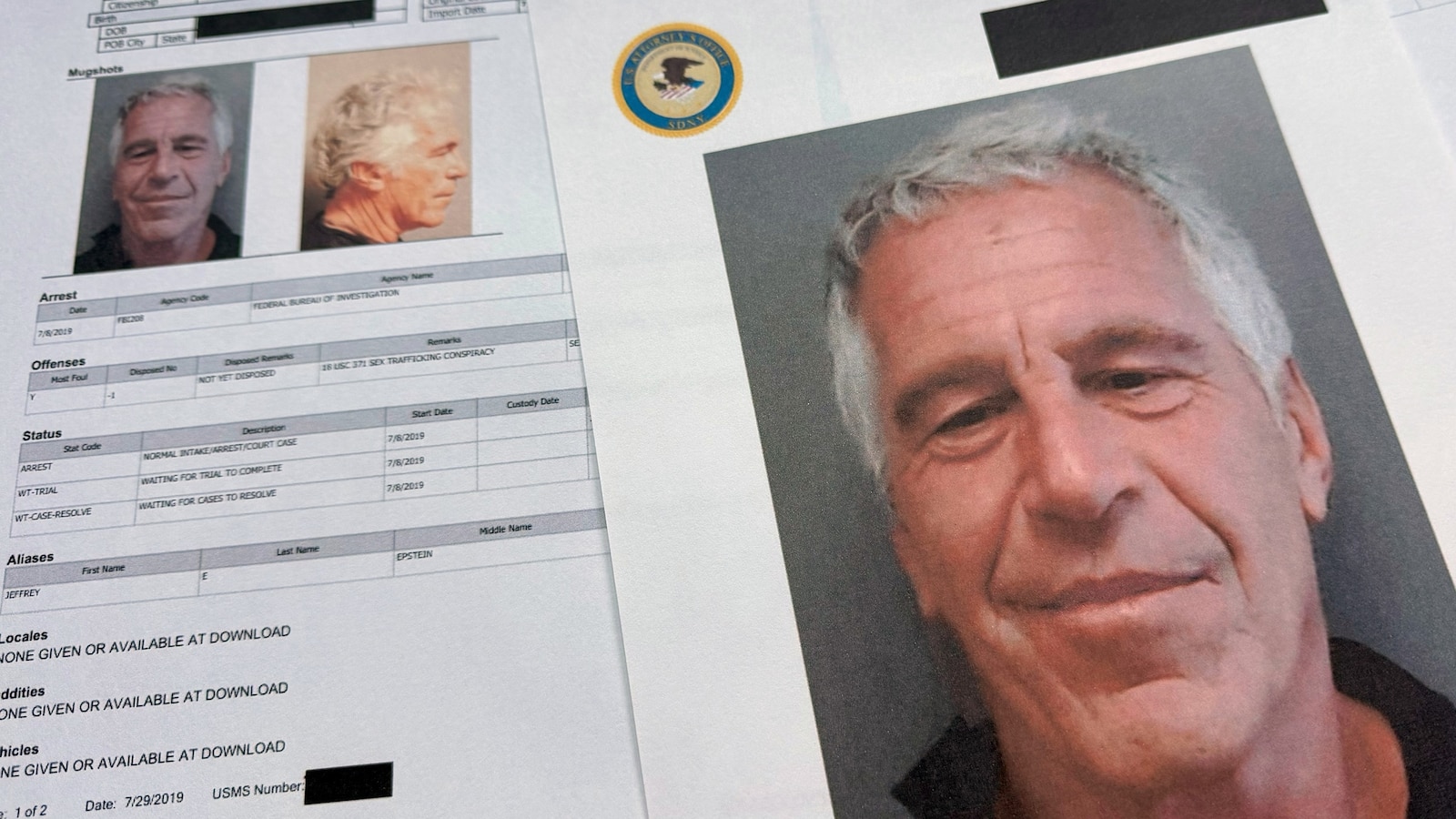
In what attorneys are calling an “unfolding emergency,” lawyers representing survivors of Jeffrey Epstein’s abuse are desperately seeking help from two federal judges in New York to immediately shut down the Justice Department’s recently launched Epstein files website. The legal team, led by attorneys Brittany Henderson and Brad Edwards, argues that the Department of Justice has catastrophically failed in its duty to protect the identities of Epstein’s victims, leaving sensitive personal information exposed for the world to see. Their urgent plea, outlined in a letter obtained by ABC News, paints a disturbing picture of government negligence on a scale that may be unprecedented in American legal history. For the more than 200 victims these attorneys represent, every moment the website remains online represents additional trauma, harassment, and potential danger that cannot be undone.
The Scope of the Department’s Failures
The magnitude of the Justice Department’s mistakes is staggering. According to the attorneys’ letter to U.S. District Judges Richard Berman and Paul Engelmayer, the problems began when the DOJ started posting materials to the website last month, but reached a critical point on January 30, 2026—a day the lawyers describe as potentially “the single most egregious violation of victim privacy in one day in United States history.” Over just the past 48 hours before their letter was sent, Henderson and Edwards reported “thousands of redaction failures” affecting nearly 100 individual survivors. The errors aren’t minor oversights—they include FBI documents with victims’ full names left completely unredacted, some identifying people who were minors when Epstein exploited them. In other cases, victims have had not just their names but also their bank information and home addresses published for anyone to access. Perhaps most shocking is one email that listed 32 minor victims, where only a single name was properly redacted while the other 31 were left exposed.
Victims’ Lives Turned Upside Down
The human cost of these failures is immeasurable and heartbreaking. The attorneys’ letter includes direct quotes from women whose information has been exposed, offering a window into the terror and anguish they’re experiencing. One victim, identified only as Jane Doe to protect what little privacy she has left, wrote in desperation: “I have never come forward! I am now being harassed by the media and others. This is devastating to my life. … Please pull my name down immediately as every minute that these document with my name are up, it causes more harm to me. … Please, I’m begging you to delete my name!!!” Another survivor expressed fears that go beyond emotional distress, explaining that the release of her information is “profoundly distressing” and “places me and my child at potential physical risk.” These women, who survived unimaginable abuse, are now being victimized again—this time by the very government agency that promised to protect them. Many had chosen to maintain their privacy, never coming forward publicly, and are now facing unwanted media attention, harassment from strangers, and the violation of having their most painful experiences thrust into public view without their consent.
The Justice Department’s Defense and Promises
Despite the outcry from victims and their representatives, the Justice Department has maintained that its overall approach has been sound, even while acknowledging that some errors were inevitable given the massive scale of the document release. Deputy Attorney General Todd Blanche appeared on ABC News’ “This Week” on Sunday to defend the department’s procedures, telling anchor George Stephanopoulos, “We took great pains, as I explained on Friday, to make sure that we protected victims.” Blanche characterized the redaction failures as affecting only “about .001% of all the materials” and insisted that the department immediately corrects any problems brought to its attention. The DOJ has established a process for victims or their lawyers to report mistakes and has promised to temporarily remove documents until proper redactions can be implemented. Blanche acknowledged the inevitability of some errors, stating that given “the volume of materials that were reviewed, there would be times when this happened,” and expressed confidence that the department would continue working to fix issues as they arise. However, this reactive approach—essentially asking victims to identify when their privacy has been violated so the government can then address it—has proven deeply unsatisfying to those who believe the Justice Department should have gotten it right in the first place.
A Breakdown of Trust and Process
For Henderson and Edwards, the Justice Department’s explanations ring hollow. Their letter reveals that they had been in “near-constant communication” with the department since the website’s launch to report redaction errors, and they had received assurances that such failures would not continue. That trust was shattered on January 30 with the massive privacy breach that affected dozens of victims simultaneously. The attorneys argue that the DOJ’s current process—where victims or their lawyers must constantly monitor the releases, identify errors, report them, and wait for corrections—is fundamentally inadequate and places an unconscionable burden on people who have already suffered enough. “It is no longer ethical, moral, or responsible to attempt to remedy these violations through DOJ’s torturously tedious game,” they wrote. “This was never a complex undertaking. DOJ has possessed the names of victims that it promised to redact for months.” The lawyers suggest that the scale and persistence of the failures cannot be explained by mere incompetence, and that the department’s approach demonstrates either a lack of proper systems or a lack of genuine commitment to protecting victims.
A Plea for Judicial Intervention
In their urgent appeal to Judges Berman and Engelmayer, the attorneys make clear that this situation has moved beyond the realm of administrative problems that can be fixed through ordinary channels. They are calling for immediate judicial intervention to take the website offline until proper safeguards can be guaranteed. “This Court is the last line of defense for victims who were promised protection and instead were exposed,” they wrote. “Judicial intervention is not merely appropriate—it is essential.” The lawyers emphasize that for Epstein’s victims, “every hour matters” because “the harm is ongoing and irreversible.” Once personal information is published online, it can be copied, shared, and preserved in ways that make it virtually impossible to ever fully contain. Every additional minute the website remains active with unredacted victim information represents more opportunities for that information to spread beyond the government’s control. For survivors who are already dealing with harassment, fear for their safety, and the re-traumatization of having their abuse made public without consent, the difference between action today and action next week could be profound. Whether the federal judges will agree that the situation warrants such extraordinary intervention remains to be seen, but for the victims and their attorneys, the stakes could not be higher.