


Harvey Weinstein Retrial Underway as Opening Statements Begin
A Second Chance at Justice
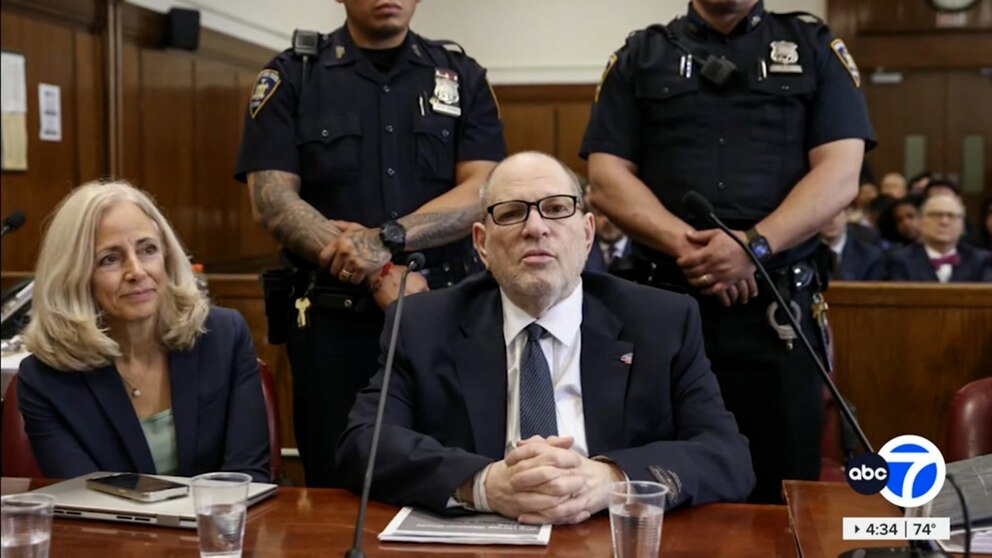
The legal saga of Harvey Weinstein, the once-powerful Hollywood producer whose downfall sparked a global reckoning with sexual misconduct, has entered a new chapter as his retrial commenced with opening statements. This moment represents not just another day in court, but a pivotal opportunity for the justice system to revisit one of the most significant cases of the #MeToo movement. The courtroom atmosphere carries the weight of years of advocacy, pain, and the persistent demands for accountability from survivors of sexual violence. For many watching both inside and outside the courtroom, this retrial symbolizes an ongoing test of whether powerful men can truly be held accountable for their actions, regardless of their status or influence in society.
The retrial comes after Weinstein’s 2020 conviction was overturned on appeal, a development that sent shockwaves through communities of survivors and advocates who had viewed that initial guilty verdict as a watershed moment. The appellate court found that the trial judge had made prejudicial errors, including allowing testimony about uncharged allegations that unduly influenced the jury. This technical legal victory for Weinstein’s defense team meant that prosecutors would need to build their case again from the ground up, calling witnesses to relive traumatic experiences and convincing a new jury of Weinstein’s guilt beyond a reasonable doubt. The decision to retry the case was not taken lightly by prosecutors, who understood both the importance of pursuing justice and the emotional toll on survivors who would need to testify once more.
The Prosecution’s Opening Arguments
As opening statements began, prosecutors painted a portrait of a man who systematically used his position of power in the entertainment industry to prey on vulnerable women. The prosecution’s narrative focused on a pattern of behavior that allegedly spanned decades, during which Weinstein wielded his influence as a gatekeeper to Hollywood success as both carrot and stick. According to prosecutors, he offered career opportunities to aspiring actresses and industry professionals, only to allegedly turn professional meetings into situations where women felt trapped, coerced, and violated. The prosecution emphasized that this was not about misunderstandings or consensual encounters gone wrong, but rather about calculated predatory behavior by someone who understood exactly how much power he held over the careers and dreams of those he targeted.
The prosecuting attorneys made clear to the jury that they would hear from multiple women who would describe strikingly similar experiences, despite these incidents occurring at different times and places. This pattern, they argued, demonstrates consciousness of guilt and a deliberate modus operandi rather than isolated incidents or miscommunications. Prosecutors acknowledged the challenges inherent in cases involving events from years past, where physical evidence may be limited and memories tested by time, but they argued that the consistency and credibility of the survivors’ accounts would speak for themselves. They urged jurors to listen carefully to the courage it takes for these women to come forward, knowing they would face intense scrutiny and public exposure, and to recognize that delayed reporting is common in sexual assault cases due to fear, shame, and concerns about professional retaliation.
The Defense’s Counter-Narrative
Weinstein’s defense team took a markedly different approach in their opening statement, seeking to reframe the encounters in question as consensual adult relationships that have been reinterpreted years later in the context of cultural shifts around sexual behavior and power dynamics. The defense attorneys suggested that the relationships between Weinstein and the complainants were complicated, transactional in nature perhaps, but ultimately consensual at the time they occurred. They pointed to emails, text messages, and continued contact between Weinstein and some of the accusers after the alleged assaults as evidence that these women did not view themselves as victims in the immediate aftermath of these encounters. The defense argued that prosecutors are asking the jury to criminalize what were essentially professional relationships that included a personal dimension, consensual at the time but now viewed through a different lens.
Furthermore, the defense team raised questions about the motivations of the accusers, suggesting that some may have financial incentives through civil lawsuits or other considerations that could influence their testimony. They emphasized that the burden of proof rests entirely with the prosecution and that reasonable doubt should lead to acquittal, even in cases involving sympathetic complainants and serious allegations. The defense acknowledged that Weinstein may not have been a perfect gentleman, that he may have engaged in behavior that in retrospect seems inappropriate or that violates current professional norms, but they insisted that imperfect behavior does not constitute criminal conduct. They prepared jurors for testimony that might be emotionally compelling while urging them to distinguish between what might be morally objectionable and what can be proven beyond a reasonable doubt to be criminal.
The Broader Implications and Cultural Context
This retrial unfolds in a cultural landscape that has been fundamentally transformed since the initial allegations against Weinstein became public in 2017. The #MeToo movement, which gained explosive momentum following those revelations, has reshaped conversations about consent, power dynamics, and sexual harassment across industries and countries. Weinstein became the symbol of unchecked power and systemic enablement, with his case prompting countless others to come forward with their own stories of abuse and misconduct. Major institutions, from corporations to universities to entertainment companies, have revised policies, created new reporting mechanisms, and faced their own reckonings with cultures that permitted or ignored sexual misconduct. The outcome of this retrial carries significance beyond one man’s guilt or innocence; it represents a test of whether the cultural shifts of recent years have translated into sustained legal accountability.
However, the overturning of Weinstein’s conviction also served as a sobering reminder of the complexities within the legal system and the high bar for criminal prosecution in sexual assault cases. Victim advocates expressed frustration that technical legal issues could undo a verdict reached after survivors testified, though legal experts noted that procedural safeguards exist precisely to ensure fair trials even for deeply unpopular defendants. This tension between the demands of justice for survivors and the constitutional protections afforded to all defendants, regardless of the charges against them, lies at the heart of many challenging criminal cases. The retrial offers prosecutors an opportunity to present a more streamlined case that avoids the legal pitfalls that led to the appeal, while defense attorneys have learned from the previous trial what strategies resonated with jurors and which did not.
What Lies Ahead
As this retrial progresses, the courtroom will once again become a focal point for broader societal debates about gender, power, and justice. Survivors and advocates will be watching closely, hoping that the legal system can deliver accountability while also recognizing the profound personal cost to those who testify about traumatic experiences. The proceedings will likely extend for weeks, with testimony from accusers, potential corroborating witnesses, expert witnesses on both sides, and extensive cross-examination designed to test the credibility and consistency of each person who takes the stand. For Weinstein, now in his seventies and in declining health, the stakes could not be higher; a conviction could mean spending his remaining years in prison, while an acquittal would represent a stunning reversal of fortune, though one unlikely to restore his shattered reputation or career.
The jury will face the difficult task of weighing testimony about events from years ago, evaluating credibility in a high-profile case with enormous public interest, and ultimately deciding whether the prosecution has met its burden of proving guilt beyond a reasonable doubt. Regardless of the outcome, this retrial will be studied by legal scholars, advocates, and those working to reform how the justice system handles sexual assault cases. It serves as a reminder that the path to justice is rarely straightforward, that legal victories can be reversed, and that accountability for powerful individuals requires not just courageous survivors willing to come forward, but also a legal system capable of fairly adjudicating even the most challenging and emotionally charged cases. As opening statements conclude and the presentation of evidence begins, all eyes remain on this courtroom where history, justice, and the ongoing evolution of societal values converge.