


Karen Read’s Retrial: Key Differences from the First Trial
A Second Chance at Justice
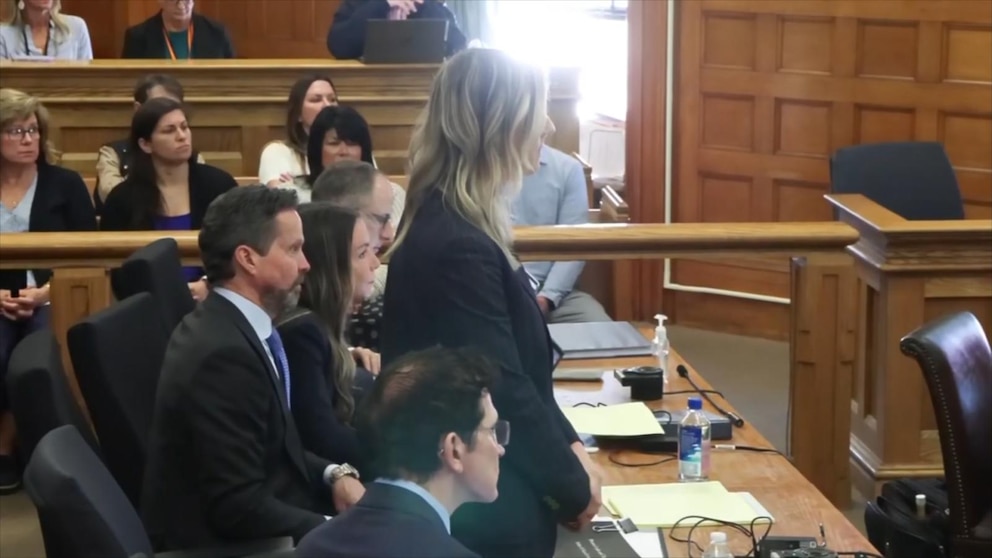
The Karen Read case has captivated the nation once again as the Massachusetts woman faces a second trial for the alleged murder of her boyfriend, Boston police officer John O’Keefe. The case, which ended in a hung jury during the first trial, has returned to the courtroom with significant changes that could alter the outcome. ABC News legal contributor Brian Buckmire has been closely following the proceedings, offering insights into how this retrial differs from the original case and what these changes might mean for both the prosecution and the defense. The emotional weight of the case remains heavy, as a family continues to seek justice for a beloved police officer while Read maintains her innocence in what her supporters claim is a conspiracy to frame her.
The circumstances surrounding John O’Keefe’s death on January 29, 2022, remain at the heart of this legal battle. The Boston police officer was found unresponsive in the snow outside a Canton, Massachusetts home following a night of socializing. Prosecutors allege that Read, after a night of drinking, struck O’Keefe with her SUV and left him to die in the freezing cold. The defense, however, has presented an alternative theory that has gained significant public attention and support: that O’Keefe was actually killed inside the home during an altercation, and that Read is being framed by a group of law enforcement officials trying to cover up what really happened. This competing narrative has transformed the case into something far more complex than a typical vehicular homicide case, raising questions about police conduct, evidence handling, and potential corruption within the system.
Changes in Witness Testimony and Strategy
One of the most significant differences between the first trial and the retrial involves how witnesses are testifying and how both legal teams are approaching their presentations. According to Brian Buckmire’s analysis, the prosecution appears to have refined their strategy, learning from what didn’t work during the first trial. Witnesses who may have seemed unprepared or whose testimony raised questions during the initial proceedings have likely undergone additional preparation. The prosecution understands that they need to present a more cohesive narrative that addresses the doubts that led to the hung jury. This means anticipating defense challenges more effectively and ensuring that their witnesses can withstand aggressive cross-examination without creating reasonable doubt in the minds of jurors.
The defense team, meanwhile, has also adjusted its approach based on insights gained from the first trial. They know which prosecution witnesses showed vulnerabilities under cross-examination and which pieces of evidence resonated most strongly with jurors. The defense has likely doubled down on their theory that Read is the victim of a vast conspiracy, a narrative that gained considerable traction in public opinion, if not entirely in the courtroom during the first trial. Buckmire notes that witness credibility will be even more crucial this time around, as both sides understand that jurors will be looking for consistency and believability in testimony. The retrial gives both legal teams the advantage of knowing exactly what arguments and evidence the other side will present, turning the proceeding into something of a chess match where each move has been carefully considered in advance.
The Evidence Under Renewed Scrutiny
The physical evidence in the Karen Read case has been controversial from the beginning, and the retrial provides an opportunity for both sides to present their interpretations with the benefit of hindsight. Key pieces of evidence include taillight fragments found at the scene, injuries to O’Keefe’s body, and data from Read’s vehicle. During the first trial, the defense successfully raised questions about how evidence was collected, preserved, and analyzed. They suggested that some evidence may have been planted or contaminated, either through incompetence or as part of a deliberate cover-up. In the retrial, expert witnesses on both sides will likely present even more detailed analyses, having had additional time to examine materials and prepare their testimonies.
Buckmire emphasizes that forensic evidence interpretation can vary significantly depending on the expert presenting it, and jurors in the retrial will need to weigh competing scientific opinions carefully. The prosecution’s forensic experts will work to demonstrate that the evidence clearly shows Read’s vehicle struck O’Keefe, while defense experts will likely point to injuries inconsistent with a vehicle strike and more consistent with an assault. Cell phone data, surveillance footage, and testimony about the timeline of events that night will all be reexamined with fresh eyes. The defense has suggested that scratches on O’Keefe’s arm could have come from a dog inside the home where his body was found, while marks on his head might indicate he was struck by another person rather than a vehicle. These alternative explanations will be central to the defense strategy, as they work to create reasonable doubt about the prosecution’s version of events.
The Impact of Public Opinion and Media Coverage
Perhaps one of the most unusual aspects of the Karen Read case has been the intense public interest and the grassroots support movement that has emerged in her defense. Unlike many criminal cases that receive brief media attention before fading from public consciousness, Read’s case has maintained a dedicated following of supporters who believe she is innocent and being framed. This public dimension adds a layer of complexity to the retrial that wasn’t as pronounced during the first trial. Social media campaigns, demonstrations outside the courthouse, and extensive coverage by true crime enthusiasts have kept the case in the national spotlight.
This public attention presents challenges for both the legal system and the participants in the trial. Jury selection becomes more difficult when potential jurors have likely been exposed to extensive coverage of the case, including strong opinions expressed on both sides. Judges must be vigilant about ensuring that jurors are not influenced by outside information or public pressure. For the attorneys involved, the media attention creates both opportunities and risks. The defense may benefit from public sympathy toward Read, but they must be careful not to appear to be trying the case in the court of public opinion rather than focusing on the evidence presented in the courtroom. The prosecution, meanwhile, may feel added pressure to secure a conviction in a case that has become emblematic of larger questions about police accountability and justice system integrity.
Legal Implications and Procedural Differences
From a strictly legal perspective, several procedural aspects of the retrial differ from the first trial. The judge may rule differently on certain motions regarding what evidence is admissible, having had the opportunity to review how things played out initially. Both legal teams have filed numerous pre-trial motions, some seeking to exclude certain evidence or testimony, others asking for specific jury instructions. Buckmire notes that these procedural decisions, while they may seem technical to outside observers, can have enormous impacts on the trial’s outcome. A piece of evidence that was allowed in the first trial might be excluded in the second, or vice versa, fundamentally changing what jurors are permitted to consider.
Another significant legal aspect involves the double jeopardy protections afforded to defendants under the Constitution. While Read can be retried because the first trial ended without a verdict, there are limits to what charges she can face. Her legal team has argued that certain charges should be dismissed based on double jeopardy principles, claiming that the jury in the first trial actually reached unanimous not-guilty verdicts on some counts but this wasn’t properly communicated to the judge. These legal arguments, separate from the question of what actually happened to John O’Keefe, represent an important dimension of the retrial. If successful, they could reduce the potential penalties Read faces, even if she is ultimately convicted on other charges. The interplay between these constitutional protections and the state’s interest in prosecuting what they believe to be a serious crime illustrates the complex balancing act that defines the American criminal justice system.
What the Retrial Means for All Involved
As the retrial proceeds, the stakes remain incredibly high for everyone involved. For the O’Keefe family, the process represents another opportunity to see what they believe is justice for their loved one, but it also means reliving the trauma of his death and enduring another lengthy trial. For Karen Read, the retrial is quite literally a matter of her freedom and her future. A conviction could result in significant prison time, while an acquittal would allow her to finally move forward with her life after years of living under the shadow of these charges. For the legal professionals involved, the case represents a high-profile opportunity to demonstrate their skills, but also carries the weight of ensuring that justice is actually served, whatever that might mean in this complex situation.
The broader implications of the case extend beyond the individuals directly involved. Questions raised about how police investigate crimes involving their own, how evidence is handled in high-stakes cases, and whether the justice system can function fairly when powerful institutions are implicated in wrongdoing will outlast this particular trial. Regardless of the verdict, the Karen Read case has already become a touchstone for discussions about police accountability, media influence on trials, and the importance of maintaining public trust in legal institutions. As Brian Buckmire and other legal observers continue to analyze each development in the retrial, they’re not just watching a single case unfold—they’re witnessing a moment that may influence how similar cases are handled in the future and how the public engages with the criminal justice system.