


Measles Outbreak Forces Quarantine at Texas Immigration Detention Center
Health Crisis Emerges at Family Detention Facility
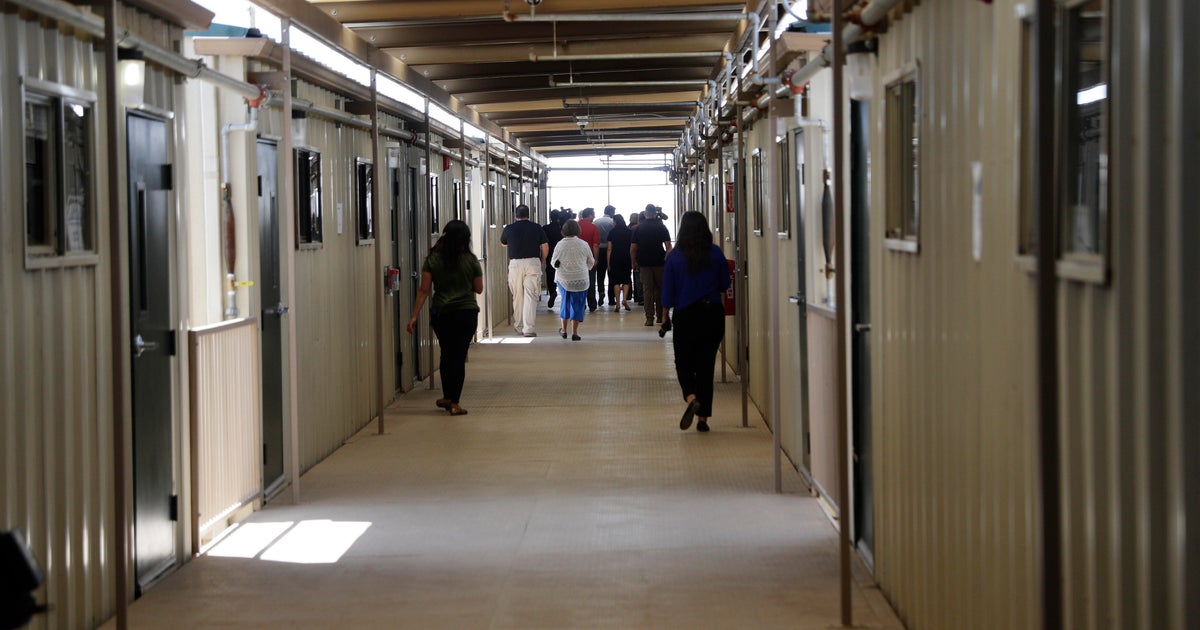
A significant health emergency unfolded over the weekend at a Texas immigration detention center when U.S. Immigration and Customs Enforcement confirmed that two detainees had tested positive for measles. The Dilley Immigration Processing Center, located about an hour’s drive from San Antonio in south Texas, immediately went into lockdown mode as federal authorities scrambled to contain what could potentially become a dangerous outbreak. The facility, which specifically houses immigrant families—parents and their children—who have been taken into federal custody for alleged immigration law violations, saw all movement within its walls come to a complete halt on Friday when medical staff confirmed the active measles infections. This development has raised serious concerns among immigration advocates, medical professionals, and legal representatives about the health and safety conditions within America’s immigration detention system, particularly as the facility’s population has grown substantially under current administration policies.
The Department of Homeland Security moved quickly to address the situation, with spokesperson Tricia McLaughlin releasing a statement on Sunday explaining the steps being taken to protect the health of everyone at the facility. According to McLaughlin, ICE Health Services Corps staff immediately implemented quarantine protocols and infection control measures as soon as the measles cases were identified. The response included not only halting all movement within the detention center but also quarantining every individual who may have come into contact with the two infected detainees. Medical officials have been closely monitoring all detainees at the facility and taking what the department describes as “appropriate and active steps” to prevent the disease from spreading further. The agency emphasized that all detainees are receiving proper medical care, though the statement provided limited details about the specific treatments being administered or the current health status of the two confirmed measles patients.
Legal Advocates Express Broader Concerns About Detention Conditions
Before the official statement from the Department of Homeland Security was released on Sunday, immigration lawyers had already begun sounding the alarm about a potential measles outbreak at the Dilley facility. Neha Desai, an attorney with the California-based National Center of Youth Law, which represents children who are in U.S. immigration custody, voiced concerns that extend beyond just the immediate health crisis. Desai expressed hope that the measles infections wouldn’t be used as justification to prevent lawmakers and legal representatives from conducting inspections of the detention center in the coming weeks and months. Her concern reflects a long-standing tension between immigration authorities and advocates who have repeatedly raised questions about conditions at various detention facilities across the country. “In the meantime, we are deeply concerned for the physical and the mental health of every family detained at Dilley,” Desai stated, highlighting that the health crisis compounds existing worries about how families are being treated in immigration custody. She also made a point that resonates with many immigration reform advocates: “It is important to remember that no family needs to be detained — this is a choice that the administration is making.” This statement underscores the ongoing debate about whether family detention is necessary or whether alternative approaches to managing immigration cases might be more humane and equally effective.
Measles Outbreak Comes During Record Year for the Disease
The timing of this detention center outbreak is particularly troubling given the broader context of measles cases across the United States in 2025. This year has seen the highest number of measles cases in decades, with health officials documenting more than 2,200 confirmed cases nationwide. Texas has been hit especially hard, experiencing a massive outbreak in the western part of the state that accounted for 762 cases alone, according to data from the Texas Department of State Health Services. The human toll of this year’s measles resurgence has been devastating, with two young children losing their lives to the disease and 99 people requiring hospitalization, based on state health data. Measles, which was declared eliminated from the United States in 2000 thanks to widespread vaccination efforts, has made a troubling comeback in recent years due to declining vaccination rates in some communities and the disease being reintroduced by international travelers. The highly contagious nature of measles makes it particularly dangerous in congregate settings like detention centers, where people live in close quarters and the virus can spread rapidly through the air when an infected person coughs or sneezes. A single measles case can infect up to 90% of nearby unvaccinated people, making the quarantine and containment efforts at Dilley absolutely critical to preventing a full-scale outbreak.
High-Profile Detainees Recently Released from Dilley Facility
The Dilley Immigration Processing Center recently made headlines for housing one particularly controversial case that captured national attention and sparked widespread public outcry. Five-year-old Liam Conejo Ramos and his father had been detained at the facility after being apprehended in Minnesota during an immigration enforcement operation. The detention of such a young child alongside his parent became a flashpoint in the ongoing national debate about immigration enforcement tactics, with critics arguing that holding young children in detention facilities causes unnecessary trauma and harm to vulnerable minors. The case eventually went before a court, which ruled that the family should be released from detention. Following that ruling, Liam and his father were freed from the Dilley facility over the weekend and returned to Minnesota on Sunday, just as news of the measles outbreak was becoming public. The timing of their release, coming just before the measles cases were confirmed, means they fortunately avoided being caught up in the quarantine situation that would have prevented their return home. Their case, however, illustrates the kinds of families who are being held at Dilley—people with community ties in the United States, including young American-born or long-resident children, who advocates argue pose no flight risk and could safely attend their immigration proceedings while living in the community rather than being detained.
Detention Population Surges Under Current Administration
The measles outbreak at Dilley is occurring against the backdrop of a dramatic expansion of immigration detention under the second Trump administration, which has made a large-scale deportation crackdown a central policy priority. Current government data obtained by CBS News shows that ICE is now holding more than 70,000 individuals facing deportation proceedings in detention centers scattered across the United States. The overwhelming majority of these detainees are single adults who have been accused of being in the country without legal authorization, though facilities like Dilley also house families with children. This represents an enormous increase from detention levels just one year ago, when ICE was holding approximately 40,000 people—meaning the detention population has increased by roughly 75% in the span of twelve months. This massive expansion of the detention system has strained resources, raised concerns about conditions in facilities that are now holding far more people than they were a year ago, and increased the challenges of providing adequate medical care and monitoring for health issues. When detention facilities become overcrowded, the risks of disease transmission increase significantly, making outbreaks of contagious illnesses like measles more likely and more difficult to control. Public health experts have long warned that congregate settings with high population turnover, limited medical resources, and close living quarters create ideal conditions for infectious diseases to spread. The current situation at Dilley may represent exactly the kind of health crisis that experts have been warning could occur as immigration detention numbers continue to climb and facilities struggle to keep pace with the surging population while maintaining adequate health and safety standards for everyone in their custody.