

Defense Challenges Prosecution in Charlie Kirk Murder Case
Defense Seeks to Disqualify Prosecutors Over Conflict of Interest Claims
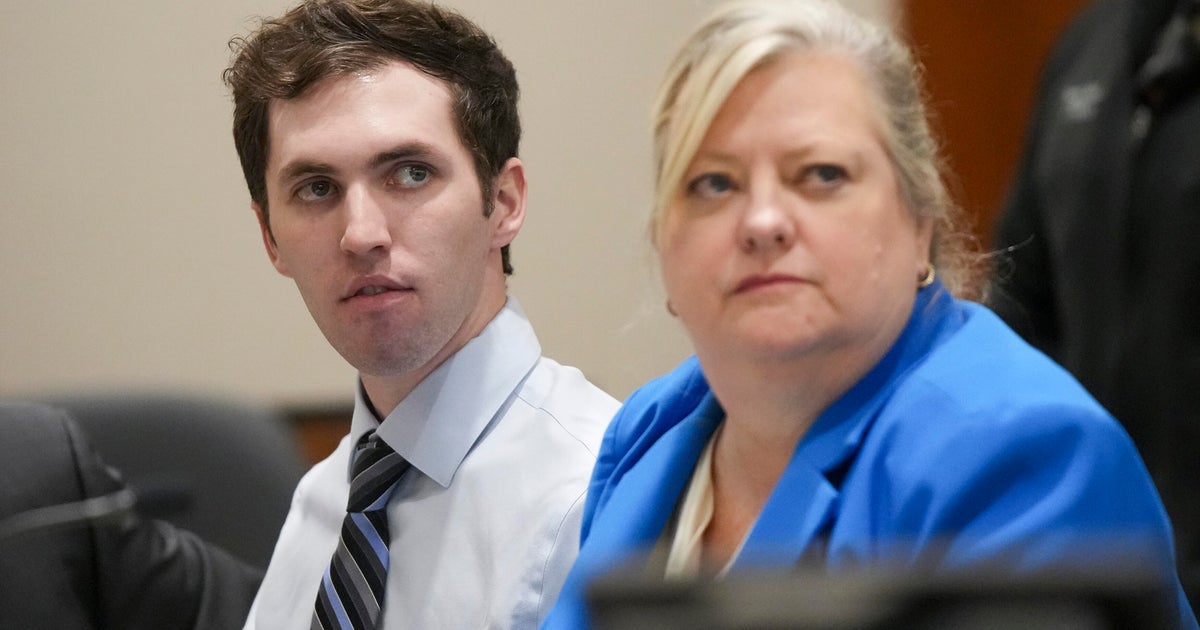
The murder trial of Tyler Robinson, the 22-year-old accused of killing conservative commentator Charlie Kirk, has taken a contentious turn as defense attorneys continue their efforts to remove the entire Utah County Attorney’s Office from the case. At the heart of their argument lies a claim of conflict of interest involving one of the lead prosecutors whose daughter was present when the tragic shooting occurred at Utah Valley University in Orem. The defense team has persistently argued that this personal connection compromises the prosecution’s ability to handle the case objectively and fairly. They’ve pointed to what they characterize as an unusually swift decision to pursue the death penalty as evidence that prosecutors may be allowing emotions rather than pure legal judgment to guide their actions in this high-profile case.
The prosecutor in question, Utah County Chief Deputy Prosecutor Chad Grunander, has an 18-year-old daughter who attended the rally where Kirk was fatally shot. According to testimony and court documents, Grunander received text messages from his daughter immediately following the shooting. In those messages, she informed her father that someone had been shot at the school and reassured him that she was safe. While the daughter testified during the pretrial hearing, that portion of the proceedings was closed to the public to protect her identity—a decision that reflects the court’s awareness of the sensitive nature of her involvement, however peripheral it might be to the actual events. The defense has seized upon this family connection, arguing in their court filings that this “personal relationship raises serious concerns about past and future prosecutorial decision-making in this case.”
Prosecutor’s Daughter’s Limited Involvement in the Incident
According to an affidavit submitted by the prosecution to address these concerns, Grunander’s daughter did not actually witness the shooting itself. In her sworn statement, she described being at the event and looking around the crowd while someone was speaking with Charlie Kirk when she suddenly heard what sounded like a loud pop. It was only when someone in the crowd yelled “he’s been shot” that she understood what had happened. In the immediate aftermath of the terrifying incident, she texted her family group chat with the urgent message: “CHARLIE GOT SHOT.” Despite being present at such a traumatic event, the affidavit indicates that she experienced relatively minimal lasting effects from the experience. She didn’t miss any classes or other activities following the shooting and reported no significant ongoing trauma beyond the natural fear she felt in those frightening moments when chaos erupted at what should have been a peaceful political rally.
For his part, Chad Grunander testified that he made the decision early in the case to fully disclose his daughter’s presence at the shooting. He wanted to be transparent about any information that could potentially be perceived as creating a conflict of interest, even if he didn’t personally believe such a conflict existed. During his testimony, Grunander was careful to draw a distinction between disclosure and admission of wrongdoing. “Don’t mistake [my disclosure] to be a concession that we believe there is merit to this alleged conflict,” he stated, making clear that he views his transparency as a professional obligation rather than an acknowledgment that the defense’s concerns have any real foundation. This proactive approach to disclosure demonstrates the delicate balance prosecutors must strike in high-profile cases where even the appearance of impropriety can become a significant issue.
Death Penalty Decision Defended by County Attorney
Utah County Attorney Jeffrey Gray also took the stand during the hearing to defend what has become one of the most controversial aspects of the case—the decision to seek the death penalty against Robinson. Gray testified that he made this decision independently, based solely on the evidence that investigators had gathered, and that he was not influenced by Grunander or his personal connection to the case through his daughter. Grunander corroborated this testimony, stating his belief that Gray’s decision to pursue an aggravated murder charge carrying the possibility of capital punishment was not influenced by the fact that his daughter had been present at the scene. The prosecution has repeatedly pushed back against defense suggestions that emotions are driving their legal strategy, insisting that the severity of the charges reflects the severity of the crime and the strength of the evidence they possess, not any personal vendetta or emotionally compromised judgment.
The defense, however, maintains that the “rush” to seek the death penalty is itself evidence of “strong emotional reactions” by the prosecution team. This argument suggests that prosecutors, perhaps subconsciously affected by the personal connection one of their team has to the event, moved too quickly to pursue the ultimate punishment without adequately considering all factors. Wednesday’s proceedings represented a continuation of a hearing that had begun on January 16, and by that point had already consumed more than two hours of testimony from various witnesses. Throughout these lengthy proceedings, prosecutors have consistently accused the defense of using these conflict-of-interest arguments as a delay tactic designed to postpone an upcoming evidentiary hearing where the prosecution would present its case against Robinson. Judge Tony Graf, who is overseeing the pretrial matters, denied the defense’s request to refer the case to the Utah Attorney General’s Office, which would have effectively removed the local prosecutors they’re challenging. Instead, he indicated he would issue a formal ruling on the disqualification motion at a hearing scheduled for February 24.
Media Access and Fair Trial Concerns Create Additional Legal Battles
Beyond the conflict-of-interest dispute, Robinson’s defense team has opened another front in their pretrial legal maneuvering by requesting that cameras and microphones be banned from the courtroom. Their argument centers on the concern that extensive media coverage could prejudice potential jurors and ultimately deprive their client of his constitutional right to a fair trial. In our modern era of social media and 24-hour news cycles, this concern about pretrial publicity affecting jury pools has become increasingly common in high-profile cases. The defense worries that widespread dissemination of courtroom images and testimony could create a situation where finding impartial jurors becomes nearly impossible, as the community becomes saturated with information and images related to the case long before trial even begins.
This request for media restrictions has created an interesting legal conflict with the interests of the victim’s family and the public’s right to observe justice being administered. In a compelling court filing opposing the media ban, Erika Kirk, the widow of the slain commentator, asked Judge Graf to keep the hearings open to public scrutiny. In her statement, she wrote powerfully that “there is no adequate substitute for open proceedings,” invoking the long-standing American principle that justice should be transparent and accessible to those affected by crime and to society at large. The judge ultimately reached a compromise position on Tuesday when he approved the defense’s request to move cameras to the back of the courtroom rather than banning them entirely. This decision addresses some of the defense’s concerns while preserving the essential openness of the proceedings. Robinson’s attorneys had specifically argued against allowing close-up images of their client’s face, suggesting that such footage could be used by media commentators and the public to speculate about his emotional reactions and mental state during court appearances—speculation that could further prejudice potential jurors.
The case now moves forward on a timeline that will see prosecutors expected to outline their evidence against Robinson at a preliminary hearing scheduled to begin on May 18. That hearing will be a crucial milestone in the case, as it will provide the first comprehensive public look at what evidence the state has gathered and why they believe it justifies not only a murder charge but the pursuit of the death penalty. For now, all parties await Judge Graf’s February 24 ruling on whether the Utah County Attorney’s Office will be allowed to continue prosecuting the case or whether the defense’s conflict-of-interest arguments will succeed in forcing a change in prosecutorial teams. Whatever the outcome of these pretrial battles, they highlight the complex legal and ethical questions that arise when personal connections intersect with professional responsibilities in the criminal justice system, and when the public’s interest in open proceedings collides with a defendant’s right to a fair trial untainted by prejudicial publicity.