

Casey Wasserman and the Epstein Files: What the Latest Documents Reveal
Inappropriate Emails Surface in Government Document Release
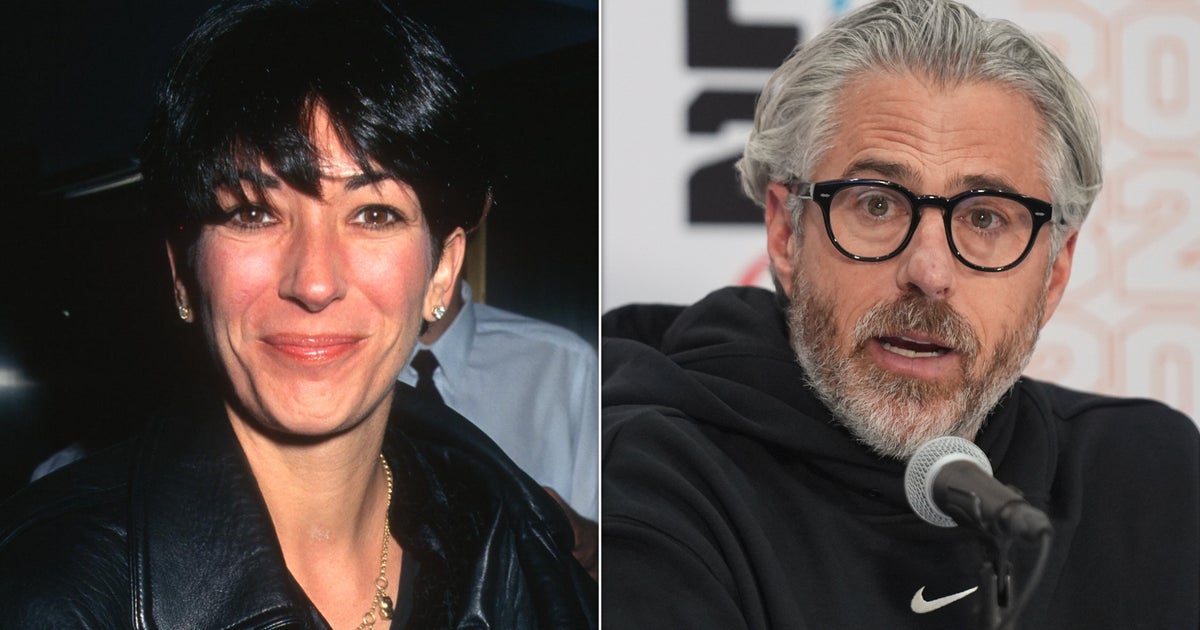
The latest batch of government documents related to the Jeffrey Epstein case has brought unexpected attention to Casey Wasserman, a prominent figure in sports management and the current head of the Los Angeles 2028 Olympics organizing committee. Among thousands of released files, email exchanges from 2003 between Wasserman and Ghislaine Maxwell, Epstein’s former girlfriend and convicted sex trafficker, have raised eyebrows due to their inappropriately flirtatious nature. These communications, which occurred more than two decades ago, include messages that many would consider unprofessional at best and deeply concerning given what we now know about Maxwell’s criminal activities. The emails show Wasserman telling Maxwell “I think of you all the time. So, what do I have to do to see you in a tight leather outfit?” Other exchanges reference massages and include Maxwell asking whether weather conditions during an upcoming visit would be “foggy enough” for Wasserman to “float naked down the beach” where no one could see him unless they came very close. These revelations have thrust Wasserman into an uncomfortable spotlight just as Los Angeles prepares to host the 2028 Summer Olympics, an event he was instrumental in securing for the city.
Wasserman’s Response and Apology
Following the release of these documents, Casey Wasserman quickly issued a statement on Saturday attempting to distance himself from both Maxwell and Epstein while acknowledging his regrettable correspondence. In his statement, Wasserman emphasized that these communications occurred “long before her horrific crimes came to light,” suggesting he had no knowledge of the illegal activities that would eventually land Maxwell in prison. He was careful to draw a distinction between casual correspondence and deeper involvement, stating explicitly: “I never had a personal or business relationship with Jeffrey Epstein.” However, he did acknowledge one connection to the disgraced financier—a 2002 humanitarian trip to Africa that he took as part of a Clinton Foundation delegation that traveled on Epstein’s private plane. This acknowledgment is significant because Epstein’s plane, infamously nicknamed the “Lolita Express” by some, has been central to many of the allegations against him. Wasserman concluded his statement by expressing regret: “I am terribly sorry for having any association with either of them.” The apology appears designed to contain the damage to his reputation while the world watches his leadership of one of the most prestigious sporting events on the planet.
Understanding the Context: Maxwell’s Conviction and the Document Release
To fully appreciate the significance of these revelations, it’s important to understand who Ghislaine Maxwell is and why these government files are being released now. In 2021, Maxwell was convicted on five counts of sex trafficking and abuse of minors for her role in facilitating Jeffrey Epstein’s abuse of underage girls. She is currently serving a 20-year prison sentence for these crimes. The British socialite was more than just Epstein’s girlfriend; prosecutors successfully argued that she was an essential participant in his sex trafficking operation, recruiting and grooming young victims. The release of these documents wasn’t a leak or investigative journalism scoop—it was mandated by federal law. Congress passed legislation requiring the government to open its files on the late financier and his associates, part of a broader effort to bring transparency to a case that has captivated and horrified the public for years. Epstein himself never faced trial for the federal sex-trafficking charges brought against him in 2019 because he killed himself in a New York jail cell just one month after being indicted. His death sparked numerous conspiracy theories and left many questions unanswered, making the release of these government documents all the more significant for those seeking to understand the full scope of his criminal network.
Who Is Casey Wasserman?
For those unfamiliar with the name, Casey Wasserman is a major player in the entertainment and sports industry, though he may not be a household name outside those circles. He built Wasserman Media Group, a sports and talent agency that represents some of the biggest names in professional athletics and entertainment. His client roster has included top players in football, basketball, and baseball, as well as A-list Hollywood actors like Adam Sandler and Brad Pitt. This business success made him wealthy and influential, opening doors to the highest levels of sports administration and civic leadership. However, it’s his role with the Los Angeles Olympics that has brought him the most public attention in recent years. Wasserman served as the frontman for LA’s successful bid to host the 2028 Summer Olympics, and his lobbying efforts were widely credited as playing a crucial role in bringing the Games back to the United States for the first time since Atlanta hosted in 1996. Los Angeles previously hosted the Summer Olympics in 1984, an event remembered as both financially successful and culturally significant. As chairman and president of LA28, the organizing committee for the upcoming Games, Wasserman has been the public face of what’s expected to be one of the most-watched sporting events in history. On a personal note, Wasserman divorced his wife of 20 years, Laura Ziffren Wasserman, in 2021, the same year Maxwell was convicted.
The Broader Implications for the LA Olympics
The timing of these revelations couldn’t be more awkward for the Los Angeles Olympic organizing committee. With just three years until the Games begin, the organization is in the critical phase of planning, fundraising, and building public enthusiasm for the event. Having the chairman embroiled in a scandal—even one based on decades-old emails—creates unwanted distractions and potentially damages the reputation of the Olympics themselves. Corporate sponsors, who contribute hundreds of millions of dollars to Olympic organizing committees, are typically very sensitive to any association with scandal or impropriety. While Wasserman’s statement attempts to create distance between himself and Epstein/Maxwell, the flirtatious nature of the emails may still concern some stakeholders. The question that Olympic organizers and board members will now have to grapple with is whether these old emails represent a significant enough issue to warrant Wasserman stepping down or whether his apology and the lack of evidence of deeper involvement will be sufficient to move forward. The International Olympic Committee and the U.S. Olympic and Paralympic Committee will also be watching closely, as they have their own reputational interests to protect. Public reaction will likely play a significant role in determining whether this becomes a passing controversy or a sustained crisis of leadership for LA28.
Lessons About Past Associations in the Modern Age
This situation highlights a broader truth about our current moment: past associations and communications can resurface at any time, especially when they involve individuals later exposed as criminals. When Wasserman exchanged those emails with Maxwell in 2003, she was known primarily as a British socialite and Epstein’s companion. The full extent of their criminal activities wasn’t publicly known, and Epstein still moved in elite circles, socializing with politicians, businesspeople, and celebrities. Many prominent individuals have found themselves having to explain or apologize for past connections to Epstein or Maxwell, from Prince Andrew to numerous business leaders and academics. What makes Wasserman’s case somewhat different is the flirtatious nature of the communications, which go beyond merely being photographed at the same event or having a brief professional interaction. The emails suggest a level of personal familiarity that, while not illegal or even necessarily inappropriate at the time, looks terrible in hindsight given Maxwell’s crimes. For public figures, this serves as a reminder that digital communications are essentially permanent and that casual correspondence can be scrutinized decades later with the benefit of information that wasn’t available when the messages were written. Whether Wasserman can weather this storm will depend largely on whether any additional information emerges and whether the public and Olympic stakeholders accept his explanation that he had no knowledge of or involvement in any criminal activities. For now, the man tasked with leading Los Angeles through one of the world’s premier sporting events finds himself answering uncomfortable questions about emails he wrote more than twenty years ago.