

The Tragic Loss of NASCAR Legend Greg Biffle: What We Know About the Fatal Plane Crash
A Devastating Accident Claims Seven Lives
The NASCAR community is still reeling from the tragic loss of retired driver Greg Biffle, who died in a plane crash in North Carolina last month along with six other people. Among those killed were Biffle’s wife Cristina, their two children—5-year-old Ryder and 14-year-old Emma—and his friend Craig Wadsworth. The Cessna C550 jet crashed while attempting an emergency return to Statesville Regional Airport, erupting into flames when it struck the ground just a third of a mile from the runway. The heartbreaking incident has left the racing world mourning one of its most beloved figures and his young family, while federal investigators work to piece together what went wrong during those final, terrifying moments in the air.
According to a preliminary report released Friday by the National Transportation Safety Board (NTSB), the investigation has revealed several troubling details about the flight. Contrary to what some might have assumed, Biffle was not piloting his own jet when disaster struck. Instead, an experienced retired airline pilot named Dennis Dutton was at the controls, with his son Jack Dutton sitting in the copilot seat. The report indicates that all three men—Dennis Dutton, Jack Dutton, and Biffle—were licensed pilots who noticed instrument malfunctions before the crash. However, investigators discovered that neither Jack Dutton nor Biffle possessed the proper endorsement on their pilot’s licenses required to serve as copilot on that particular aircraft, though it remains unclear whether this licensing issue played any role in the tragic outcome.
Warning Signs and Mechanical Failures
The flight was doomed from the start, with problems appearing even before the plane left the ground. The NTSB report documented that a thrust reverser indicator light wasn’t functioning properly before takeoff—a warning sign that something wasn’t right with the aircraft. Once airborne, the situation deteriorated rapidly. The pilot’s altimeter, a critical instrument that measures altitude, stopped working along with several other gauges in the cockpit. This cascade of instrument failures would have created a nightmare scenario for any flight crew, making it extremely difficult to safely navigate the aircraft and understand their actual position and flight parameters.
The final moments of the flight were captured partially by the cockpit voice recorder, though investigators noted that the recording cut out at times, complicating their efforts to understand exactly what happened. What they did capture was chilling: over the radio, Jack Dutton’s voice announcing, “We’re having some problems here.” The recorder also picked up fragments of conversation between the three pilots as they discussed the malfunctioning instruments and tried to diagnose what was going wrong with the plane. These experienced aviators knew they were in serious trouble and were working desperately to bring the aircraft down safely while dealing with failing equipment that was giving them unreliable or no information about their flight status.
A Mother’s Heartbreaking Final Messages
Perhaps the most emotionally devastating details came from Cristina Biffle’s mother, Cathy Grossu, who shared her final text message exchange with her daughter. Speaking to CBS News, Grossu described how she and Cristina had been texting “all day long,” maintaining the kind of constant connection that mothers and daughters often share. Then, without warning, the tone of the messages changed dramatically. “Then she said something like ‘We’re in trouble, emergency landing,'” Grossu recalled. She immediately texted back, asking what was wrong with the plane, but never received a response to that question. Instead, the next notification she received was an automatic SOS alert from her daughter’s Apple phone—the kind that triggers when the device detects a severe impact or accident. “And so I knew that something was wrong,” Grossu told reporters, her words conveying the horror of that moment when a mother’s worst fears were confirmed.
The plane’s erratic flight path in those final minutes tells the story of a crew fighting for survival. Data shows that the aircraft’s speed and altitude fluctuated wildly during the brief flight that lasted only about ten minutes after departing from Statesville Regional Airport. At one particularly alarming moment, the jet rapidly climbed from 1,800 feet to 4,000 feet before descending again—movements that aviation experts say are consistent with a flight crew experiencing serious technical problems and attempting an urgent return to the airport. Just before impact, the plane was flying at only a couple of hundred feet off the ground, far too low for the crew to recover if anything went wrong. Despite the experience of the pilots on board and their apparent efforts to diagnose and solve the problems they faced, they simply ran out of time and options.
Remembering a NASCAR Champion and Humanitarian
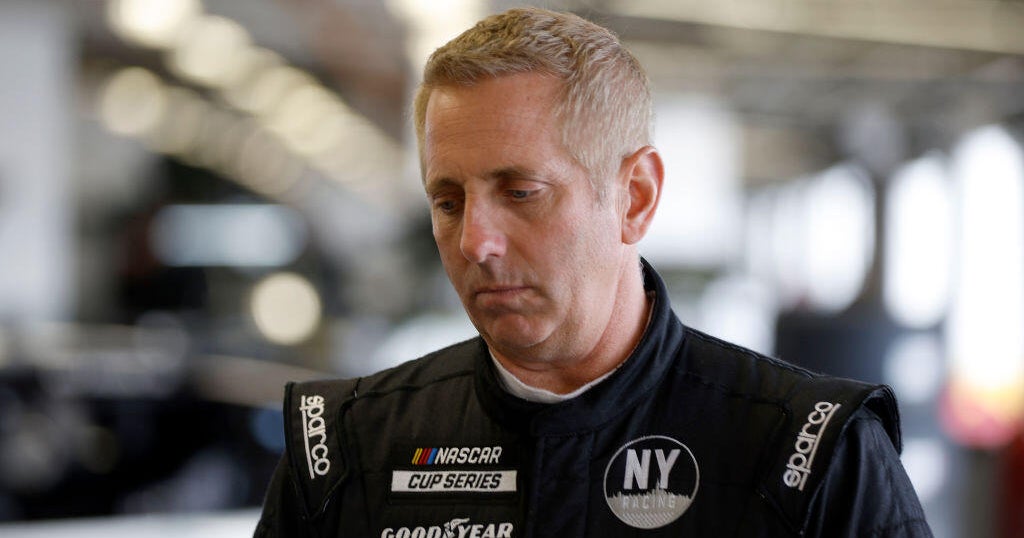
Greg Biffle’s death represents an enormous loss not just to his family but to the entire NASCAR community and beyond. At 55 years old, Biffle had built an impressive racing legacy, winning more than 50 races across NASCAR’s three major circuits during his career. His accomplishments included 19 victories at the Cup Series level, NASCAR’s premier division, as well as championship titles in both the Truck Series in 2000 and the Xfinity Series in 2002. These achievements established him as one of the sport’s most successful and respected drivers, someone who had reached the pinnacle of stock car racing through talent, determination, and years of hard work.
But Biffle’s impact extended far beyond the racetrack. In 2024, he was specifically honored for his humanitarian efforts following Hurricane Helene’s devastating strike on the United States. When the storm left parts of western North Carolina flooded and cut off from aid, Biffle didn’t just write a check or make a statement—he personally used his own helicopter to deliver supplies to remote areas that were otherwise inaccessible. This hands-on approach to helping people in desperate need showed the character of the man behind the race car driver, someone who used his resources and skills to make a real difference in people’s lives during their darkest hours. Earlier this month, hundreds of people from the NASCAR community gathered at an arena in Charlotte for a public memorial service, coming together to honor Biffle’s memory and celebrate a life dedicated to both excellence in racing and service to others.
The Investigation Continues
As the NASCAR world mourns and Biffle’s family and friends struggle with unimaginable grief, federal investigators continue their painstaking work to determine exactly what caused this tragedy. The NTSB’s preliminary report represents just the beginning of what will likely be a lengthy and detailed investigation. Experts are currently analyzing the intermittent cockpit voice recordings, examining the wreckage for signs of mechanical failure, and reviewing maintenance records for the aircraft. The fact that multiple instruments failed—including the critical altimeter and thrust reverser indicator—suggests possible electrical or systems problems, but investigators have cautioned that it’s far too early to draw definitive conclusions.
The question of whether having an improperly endorsed copilot played any role in the crash remains open. While both Jack Dutton and Biffle were licensed pilots, neither had the specific endorsement required to serve as copilot on a Cessna C550. However, Dennis Dutton was an experienced retired airline pilot fully qualified to fly the aircraft, and it’s unclear whether a properly endorsed copilot would have made any difference given the cascade of instrument failures they faced. The investigation will need to determine not only what mechanical problems occurred but also whether different crew qualifications or different decisions in those critical moments might have changed the outcome. For now, seven families are left to grieve, a community is left to remember, and investigators are left with the solemn responsibility of ensuring that lessons learned from this tragedy might prevent future losses. The final report, when it comes, may provide technical answers and perhaps regulatory recommendations, but it cannot restore what was lost that day when a routine flight turned into an unsurvivable catastrophe just minutes after takeoff.