
Texas Congressman Admits to Relationship with Former Staffer Who Later Died by Suicide
A Public Acknowledgment After Months of Denial
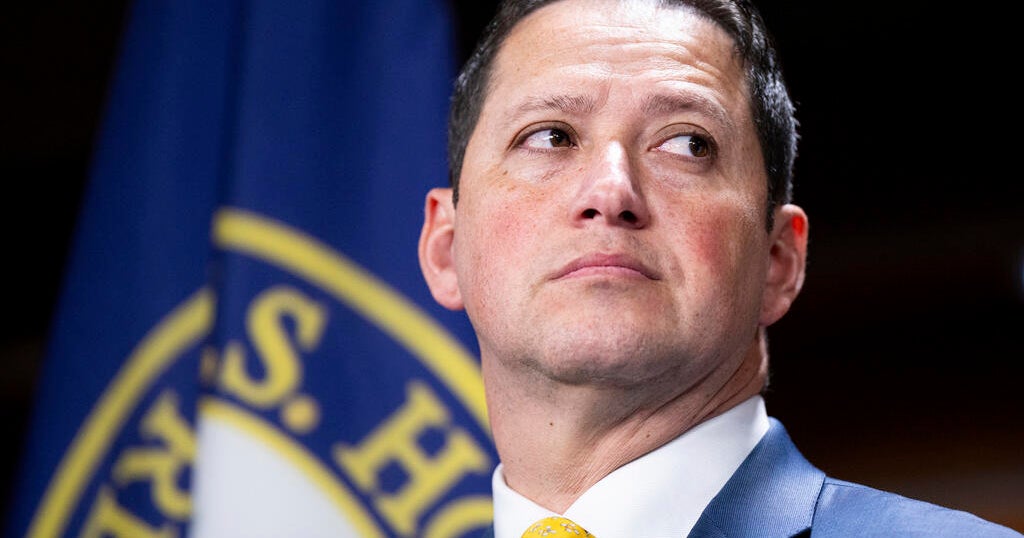
In a stunning reversal, Texas Republican Representative Tony Gonzales broke his silence Wednesday, publicly admitting for the first time to having a relationship with a former staff member who tragically took her own life. Speaking candidly on conservative radio host Joe Pags’ show, the congressman acknowledged his actions represented “a mistake” and “a lapse in judgment,” along with what he described as “a lack of faith.” When directly asked about the alleged affair, Gonzales didn’t dodge the question as he had in previous statements. Instead, he took what he called “full responsibility” for his actions, while also revealing that he has since worked to repair his marriage. “I’ve reconciled with my wife, Angel,” he explained during the emotional interview. “I’ve asked God to forgive me, which he has, and my faith is as strong as ever.” The admission comes after CBS News obtained explicit text messages from May 2024 showing Gonzales requesting “sexy pic” from former staffer Regina Santos-Aviles, evidence that appeared to contradict his earlier denials about the nature of their relationship.
The Tragic Death and Its Aftermath
The controversy centers around Regina Santos-Aviles, who died in September 2025 after setting herself on fire in what authorities ruled a suicide. Her death left behind an 8-year-old son and her husband, Adrian Aviles, who has publicly blamed Gonzales for destroying his family. During his radio interview, Gonzales was emphatic about distancing himself from her death, stating clearly: “I had absolutely nothing to do with her tragic passing. And in fact, I was shocked just as much as everyone else.” The congressman’s acknowledgment of the relationship came at a politically sensitive moment—just one day after he failed to secure an outright victory in his GOP primary election. Both Gonzales and his hard-right challenger Brandon Herrera will now head to a runoff election in May, as neither candidate managed to clear the required 50% threshold. This marks the third time Gonzales has faced a primary runoff, though his 2024 victory over Herrera came by an extremely narrow margin of only about 400 votes, suggesting his political standing in the district remains precarious even before these latest revelations.
Congressional Ethics Investigation Underway
The timing of Gonzales’ admission also coincided with another significant development: the House Ethics Committee announced it was launching a formal investigation into the congressman’s conduct. The committee will examine whether Gonzales “engaged in sexual misconduct” with an employee or “discriminated unfairly by dispensing special favors or privileges.” This investigation carries serious implications, as the House of Representatives maintains strict rules governing relationships between lawmakers and their staff. According to the official code of conduct, representatives “may not engage in a sexual relationship with any employee of the House who works under the supervision of the Member.” The rules also explicitly prohibit “unwelcome sexual advances or conduct” toward staff members. These regulations exist to prevent the inherent power imbalances in such relationships from creating hostile work environments or situations where employees feel pressured into romantic or sexual situations by those who control their employment and career advancement. The text messages obtained by CBS News, which show Gonzales requesting explicit photos from Santos-Aviles, appear to raise questions about whether these ethical boundaries were crossed.
Political Fallout and Calls for Resignation
The public disclosure of the text messages and the details surrounding Santos-Aviles’ death have created a bipartisan chorus calling for Gonzales to step down from his congressional seat. Members from both parties have questioned whether he can continue to effectively represent his district along the U.S.-Mexico border amid such serious allegations and the ongoing ethics investigation. However, Gonzales made clear during his interview that he has no intention of resigning from office. He expressed confidence that he would prevail in the upcoming May runoff election, drawing on his experience navigating previous primary challenges. “I expect to win the GOP primary,” he stated, “noting that it’s the third time he has faced a primary runoff.” While Gonzales admitted to the relationship when pressed, he remained tight-lipped about many specific details, repeatedly saying he would “let the investigation play out” rather than commenting on the apparent text messages or providing a fuller account of the timeline and nature of his relationship with Santos-Aviles. He did, however, hint that the full story contains complexities not yet publicly known, telling listeners “there’s a whole lot more to the story.”
Claims of Political Weaponization and Extortion
Rather than simply apologizing and accepting full accountability, Gonzales also went on the offensive during his radio appearance, suggesting the controversy surrounding his conduct has been manipulated for political purposes. “From day one, this has been about power and money,” he told host Joe Pags, claiming that opponents have “been attacking me for months on this.” The congressman argued that media coverage of the allegations has been unfair and skewed, implying a coordinated effort to damage his political career. Gonzales also renewed accusations he’s made previously against Santos-Aviles’ widower, Adrian Aviles, claiming the grieving husband was “trying to shake me down.” Last month, Gonzales posted a letter to social media platform X (formerly Twitter) that appeared to show Adrian Aviles’ attorney seeking a $300,000 settlement from the congressman—evidence Gonzales presented as proof of attempted blackmail or extortion. However, Adrian Aviles’ attorney, Bobby Barrera, has vigorously denied these characterizations, telling CBS News that the letter represented a standard confidential settlement proposal and accusing Gonzales of “trying to play the victim” rather than taking responsibility for his actions. Regarding workplace conduct, Gonzales acknowledged that “it is important that we have the conversation, you know, on workplace environment and making sure that certain things do not take place,” suggesting some awareness of the ethical concerns. He also specifically addressed potential favoritism, stating: “At no time was she reprimanded or rewarded in any form or fashion other than anyone else in the office.” Gonzales claimed that a raise Santos-Aviles received was simply part of a “staff-wide pay increase” rather than special treatment related to their relationship.
The Human Cost and Path Forward
Beyond the political calculations and legal investigations, this situation represents a profound human tragedy. Regina Santos-Aviles is gone, leaving behind a young son who will grow up without his mother. Her husband, Adrian Aviles, spoke to CBS News last month with raw emotion, telling Gonzales directly: “You ended a family because of your predatorial instincts.” These words capture the devastating ripple effects that extend far beyond Washington politics or congressional ethics rules. As Gonzales attempts to navigate the political fallout while maintaining his congressional seat, questions remain about accountability, workplace power dynamics, and the responsibilities of public officials. The Ethics Committee investigation will presumably shed more light on what transpired, whether House rules were violated, and what consequences may be appropriate. For now, Gonzales appears committed to fighting both the political challenge from his right and the ethical questions from the investigation, while also attempting to frame himself as a target of political opponents rather than as someone who violated the trust placed in him by his staff and constituents. Whether Texas voters in his border district will accept his explanations and grant him another term, or whether they’ll decide the ethical breaches are disqualifying, remains to be seen when they return to the polls in May. What’s certain is that this tragic situation serves as a somber reminder of the real human consequences that can result when those in positions of power fail to maintain appropriate professional boundaries with those who work for them.
If you or someone you know is in emotional distress or experiencing a suicidal crisis, help is available. You can reach the 988 Suicide & Crisis Lifeline by calling or texting 988, or by visiting their website to chat online. The National Alliance on Mental Illness (NAMI) HelpLine is also available Monday through Friday, 10 a.m.–10 p.m. Eastern Time at 1-800-950-NAMI (6264) or by email at info@nami.org.