


Community Shaken as Sixth Suspect Arrested in Judge Shooting Case
A Violent Attack on Justice
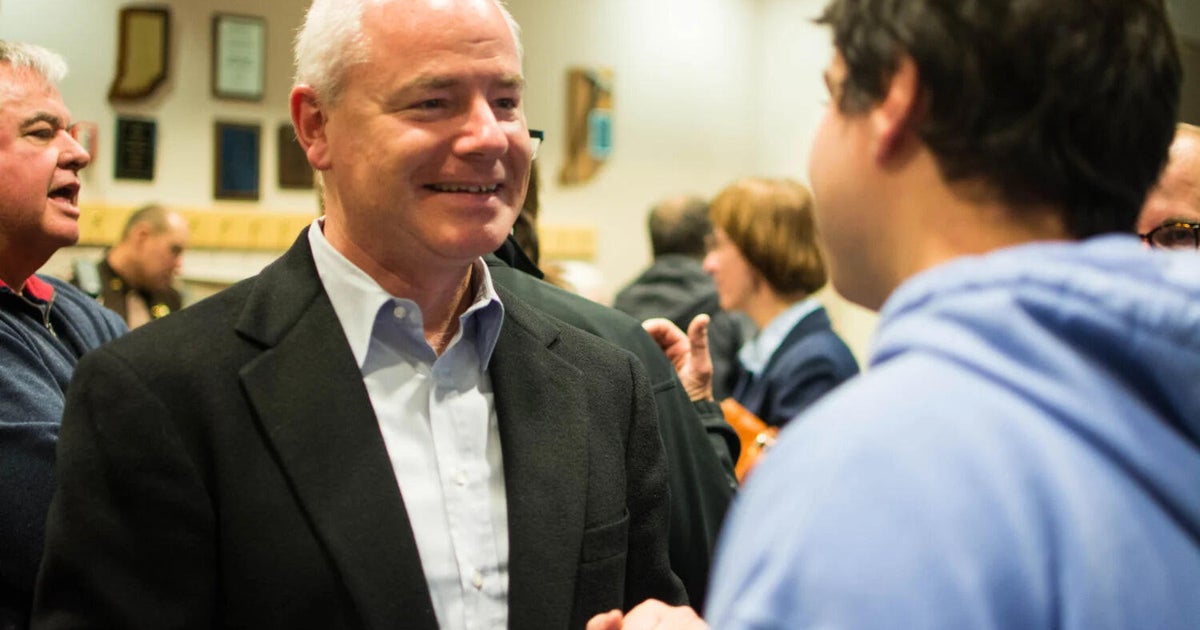
The quiet community of Lafayette, Indiana, was rocked by a shocking crime that struck at the very heart of the justice system. On January 18th, Tippecanoe County Superior Court Judge Steven Meyer and his wife Kim were shot in their own home in what authorities now describe as a calculated attack designed to interfere with the legal process. The incident sent shockwaves through the legal community and raised serious concerns about the safety of judges and their families. What began as a terrifying night for the Meyer family has unfolded into a complex criminal investigation involving multiple suspects across state lines, gang connections, and an alleged conspiracy to obstruct justice. The case has highlighted the very real dangers that members of the judiciary can face, particularly when presiding over cases involving violent offenders and organized criminal elements.
The Latest Arrest and Growing List of Suspects
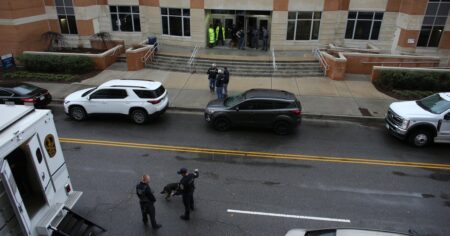
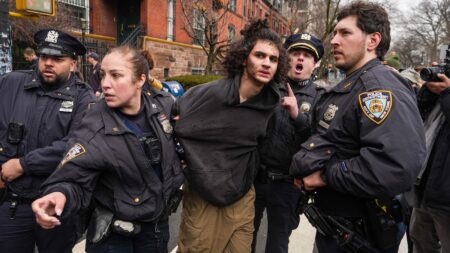
The investigation took another significant turn on Wednesday when Lafayette Police announced the arrest of 23-year-old Nevaeh Bell, marking the sixth person taken into custody in connection with the shooting. Bell faces serious preliminary felony charges, including two counts of attempted murder and one count of conspiracy to commit murder, bringing the total number of charges against her to twelve. This arrest came approximately one month after five other individuals were apprehended in what police described as “a coordinated, multi-state operation involving hundreds of investigative hours.” The earlier arrests included 38-year-old Raylen Ferguson and 61-year-old Zenada Greer, both from Kentucky, along with Indiana residents Thomas Moss, 43, Blake Smith, 32, and Amanda Milsap, 45. The diverse ages and backgrounds of those arrested paint a picture of a wide-ranging conspiracy that crossed state lines and involved multiple individuals working together toward a common criminal goal. The fact that law enforcement needed to coordinate across multiple states and invest hundreds of hours into the investigation demonstrates the complexity and severity of this case.
The Alleged Motive: Derailing a Domestic Violence Case
According to law enforcement officials, the shooting wasn’t a random act of violence but rather a deliberate scheme with a specific objective: to prevent a domestic abuse case from going to trial. Police allege that members of a motorcycle club and a street gang targeted Judge Meyer as part of a plot to derail criminal proceedings against Thomas Moss, who is identified as a member of the Detroit-based Phantom MC motorcycle club with connections to the Vice Lords street gang. Court records reveal that Moss had been charged with multiple violent felonies in June 2024 and was released on bond while awaiting trial. The timing of the attack is particularly chilling—Moss was scheduled to appear before Judge Meyer for trial on January 20th, just two days after the shooting occurred. This timing strongly suggests the attack was designed to either intimidate the judge or make it impossible for him to preside over the case. The alleged involvement of organized criminal groups adds another disturbing layer to the case, suggesting that gang members were willing to attack a sitting judge and his wife to protect one of their own from facing justice.
The Terrifying Night of the Attack
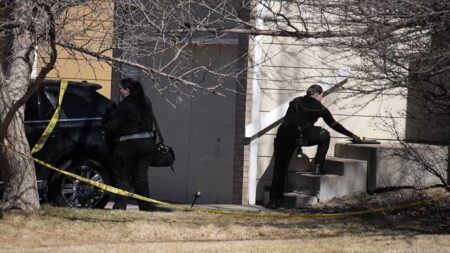
The details of what happened that January evening are harrowing. According to emergency dispatch recordings, the Meyers heard a knock at their door late at night. When they approached, someone on the other side claimed they had found the family’s dog. It was a cruel deception designed to get the Meyers to open their door or come closer. Instead of a good Samaritan returning a lost pet, the person at the door opened fire, with at least one shot coming directly through the door itself. Judge Steven Meyer was struck in the arm, while his wife Kim sustained a gunshot wound to her hip. The use of such a ruse—pretending to have found their dog—shows a particularly callous and calculated approach to the attack. It exploited the natural concern and kindness that most people would have for a missing pet, turning that compassion into vulnerability. Both victims survived the attack, though they required medical treatment for their injuries. The physical wounds will heal, but the psychological impact of being attacked in one’s own home, a place that should represent safety and sanctuary, is difficult to measure.
Community Response and Investigation
In the aftermath of the shooting, the Lafayette community and the broader legal community rallied around the Meyer family. Kim Meyer released a statement last month expressing the couple’s “great confidence” in the Lafayette Police Department’s investigation and extending thanks to all the agencies involved in bringing the perpetrators to justice. Her statement also acknowledged the tremendous support they received from their community during this difficult time. “We are also incredibly grateful for the outpouring of support from the community; everyone has been so kind and compassionate,” she said. The Meyers made a point of specially thanking the medical personnel who provided immediate care and assistance following the shooting, recognizing the crucial role these professionals played in their recovery. The investigation itself has been extensive and thorough, requiring coordination between multiple law enforcement agencies across different states. The fact that police have made six arrests so far, with suspects ranging in age from 23 to 61 and coming from different states, demonstrates the breadth of the alleged conspiracy and the dedication of investigators to hold everyone involved accountable.
Implications for Judicial Safety and Justice
This case raises profound questions about the safety of judges and the lengths to which criminal organizations will go to obstruct justice. Judges make difficult decisions every day, often ruling against dangerous individuals who have demonstrated violent tendencies. They do so with the expectation that the rule of law will protect them and their families from retaliation. When that protection fails, or when criminals become bold enough to attack judges in their homes, it threatens the entire foundation of the justice system. If judges cannot safely preside over cases without fear of violence against themselves or their loved ones, the ability of courts to function fairly and independently is compromised. This incident may lead to increased security measures for judges, particularly those handling gang-related cases or cases involving organized crime. It also serves as a sobering reminder of the courage required of those who serve in the judiciary, who must make unpopular and sometimes dangerous decisions in service to justice. As this case moves forward through the legal system, it will be watched closely not just by the Lafayette community, but by legal professionals and law enforcement agencies across the country who recognize that an attack on one judge is an attack on the entire judicial system. The successful investigation and prosecution of all those involved sends an important message that such attempts to intimidate or harm members of the judiciary will be met with the full force of the law.