


Family’s Desperate Plea: The Search for Nancy Guthrie
A Heartfelt Video Appeal Reaches Out to Possible Captors
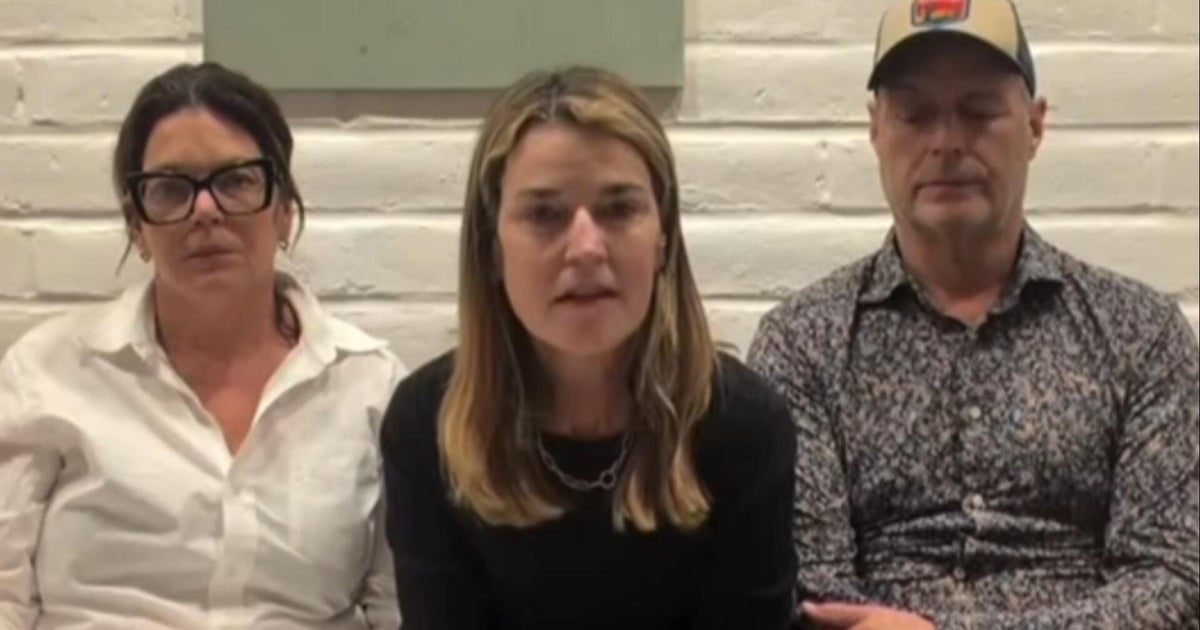
In an emotionally charged video that has captured national attention, Savannah Guthrie, the well-known co-host of NBC’s “Today” show, joined her siblings in making a public appeal for the safe return of their 84-year-old mother, Nancy Guthrie. Posted to social media on a Wednesday evening, the video represents what experts are calling a critical moment in the family’s search efforts. With voices trembling but determined, Savannah and her family members speak directly to whoever may have taken their mother, delivering a simple but powerful message: “We are ready to talk. Please, reach out to us.” The video comes four days after Nancy Guthrie was first reported missing and follows disturbing reports about a possible ransom note that had surfaced just two days earlier. Anna Schecter, a senior coordinating producer for CBS News’ Crime and Public Safety Unit, characterized the family’s public plea as potentially “a Hail Mary pass” – a last-resort effort to open lines of communication with people who have so far remained silent and unknown. The urgency in the family’s approach reflects the terrifying reality they’re facing: time is of the essence, and without established contact with the abductors, they’re left grasping for any possible way to bring their beloved mother home safely.
Strategic Communication in a Crisis Situation
The video appeal isn’t just an emotional outpouring from a frightened family; it’s a carefully crafted communication strategy that bears all the hallmarks of professional guidance. According to Schecter, who analyzed the video on “CBS Mornings,” the FBI would typically be heavily involved in vetting such a message and determining the optimal timing for its release. Every word, every gesture, and every inflection in Savannah Guthrie’s voice appears to have been considered with purpose. Schecter specifically noted how Savannah’s tone conveyed trustworthiness and openness, projecting an image of someone willing to listen and negotiate. “It was a receptive position,” Schecter explained. “They want to engage the captor.” This approach represents what Schecter described as “classic FBI tactics in a type of hostage negotiation situation” – the critical first step of establishing rapport with those holding a loved one. The family acknowledged in the video that they had heard media reports about a ransom letter, addressing the situation directly while also expressing caution about the authenticity of any communications they might receive. “We live in a world where voices and images are easily manipulated,” Savannah stated in the video. “We need to know without a doubt that she is alive and that you have her.” This careful balance between expressing willingness to cooperate and demanding proof of life demonstrates the delicate tightrope the family must walk in such a terrifying situation.
Humanizing Nancy Guthrie: More Than a Headline
One of the most powerful aspects of the video appeal was Savannah Guthrie’s deeply personal description of her mother. Rather than allowing Nancy to remain an abstract victim or a news headline, Savannah painted a vivid portrait of a vibrant, beloved woman with a full life and people who desperately need her back. She described her mother as kind, faithful, loyal, and fiercely loving – qualities that speak to Nancy’s character and the impact she has on those around her. “She is funny, spunky and clever,” Savannah shared, her voice carrying both pride and pain. “She has grandchildren that adore her and crowd around her and cover her with kisses. She loves fun and adventure. She is a devoted friend. She is full of kindness and knowledge. Talk to her and you’ll see.” These aren’t just random descriptors; they’re strategic elements designed to humanize Nancy Guthrie in the eyes of her captors. Former FBI agent Katherine Schweit explained that this approach was intentional, meant to pull on the heartstrings of whoever has Nancy and help them see her not as a commodity or a means to an end, but as a real person with a family who loves her desperately. Schweit noted that the message conveyed something crucial: “the family doesn’t care about the money. The family cares about the person.” By sharing these intimate details about Nancy – her sense of humor, her relationships with her grandchildren, her zest for life – the family hopes to create an emotional connection that might lead to her safe release.
Drawing on Past Experience and Hope
Katherine Schweit’s perspective on the case carries particular weight given her direct experience with a remarkably similar situation. In 2003, while working as an FBI agent, Schweit was involved in a case where an elderly woman in Wisconsin was kidnapped and held for ransom. That case, which ended with the victim being freed after five days, provides both a roadmap and a source of hope for Nancy Guthrie’s family. While every kidnapping situation has its unique elements and challenges, the Wisconsin case demonstrates that positive outcomes are possible even in these most terrifying circumstances. Schweit emphasized during her appearance on “CBS Mornings” that in Nancy’s case, “everybody is working as frantically as they can.” The investigation involves hundreds of people – law enforcement officials, FBI agents, analysts, and support personnel – all coordinating their efforts to bring Nancy home safely. This massive mobilization of resources reflects both the seriousness with which authorities are treating the case and the advantages that come with the victim’s family having a high public profile. Schweit’s message was clear and purposeful: “we’re going to hold out hope” that Nancy Guthrie will be found alive. This statement serves multiple purposes – it encourages the family to remain strong, it signals to the captors that cooperation could lead to a positive resolution, and it keeps the public engaged and alert for any information that might help the investigation.
The Reality of Modern Kidnapping Investigations
The Guthrie family’s ordeal highlights the complex and evolving nature of kidnapping investigations in the modern era. Unlike cases from decades past, today’s investigators must contend with the possibility of digital manipulation, as Savannah Guthrie herself acknowledged in the video. The concern that “voices and images are easily manipulated” reflects the challenges posed by deepfake technology and sophisticated digital editing tools that could potentially be used to create false proof of life or misleading ransom demands. This technological dimension adds another layer of complexity to an already traumatic situation, forcing families and law enforcement to verify the authenticity of communications in ways that weren’t necessary in the past. At the same time, technology and social media provide new avenues for reaching the public and potentially the captors themselves. The decision to post the video appeal on social media ensures maximum visibility and the possibility that the message will reach its intended audience, wherever they may be. The timing of the video’s release – four days after Nancy was reported missing and two days after ransom note reports emerged – suggests a carefully considered strategy. This timeline allows investigators to gather initial information and assess the situation while not delaying so long that opportunities for communication are lost. The public nature of the appeal also applies a different kind of pressure on the captors, making the case highly visible and ensuring that countless eyes are watching for any sign of Nancy Guthrie.
A Family’s Love and a Community’s Support
Beyond the strategic elements and investigative tactics, at the heart of this story is a family experiencing every parent’s and child’s worst nightmare. Savannah Guthrie, who appears on television screens across America every morning bringing news to millions, now finds herself the subject of the news, desperately advocating for her mother’s safe return. The courage it takes to make such a public appeal while privately enduring unimaginable fear and stress cannot be overstated. The support surrounding the Guthrie family – from law enforcement professionals dedicating hundreds of personnel to the case, to experts like Schecter and Schweit providing analysis and hope, to the general public sharing information and keeping Nancy’s case in the spotlight – demonstrates the power of community response in crisis situations. As the investigation continues and the family waits for any word about Nancy’s condition and whereabouts, their video message stands as a testament to their love, their determination, and their refusal to give up hope. The plea is both universal and deeply personal – any family could find themselves in similar circumstances, yet the specific details about Nancy remind us that she is an individual, irreplaceable and deeply loved. Whether the video appeal ultimately proves to be the key that opens communication with the captors or simply one element in a larger investigative effort, it represents a family doing absolutely everything in their power to bring their mother, grandmother, and friend home safely.