



The Great Boneless Wing Debate: Federal Judge Rules on What Counts as a “Wing”
A Legal Battle Over Chicken Semantics
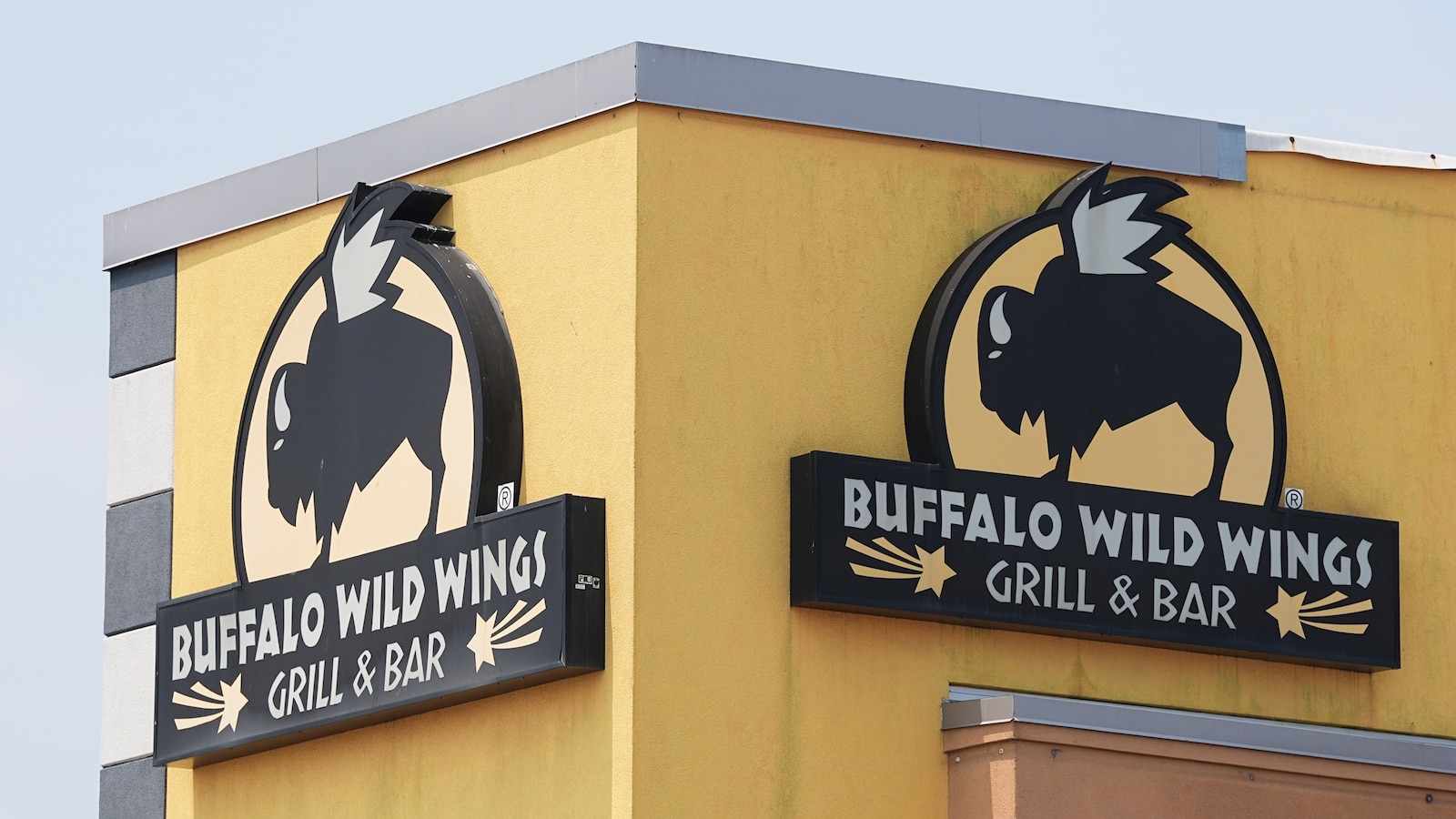
In what might seem like an unusual case to land in federal court, a judge in Illinois recently tackled a question that has likely crossed the minds of many restaurant customers: are boneless chicken wings actually wings, or are they just fancy chicken nuggets? On Tuesday, U.S. District Judge John J. Tharp, Jr. delivered a 10-page ruling that settled this culinary conundrum, at least from a legal standpoint. The decision came in favor of Buffalo Wild Wings, the popular restaurant chain known for its extensive wing offerings and sports bar atmosphere. The judge concluded that the company has every right to market its boneless chicken offerings as “wings,” despite the fact that they don’t come from the wing portion of the chicken at all. The case brings to light interesting questions about marketing, consumer expectations, and just how literal we should take menu descriptions when we’re ordering our favorite bar food.
The Complaint That Started It All
The lawsuit originated from what seemed like an ordinary visit to Buffalo Wild Wings in 2023 by Illinois resident Aimen Halim. However, Halim’s experience led him to file a legal complaint claiming that he and other consumers had been deceived by the restaurant’s marketing practices. According to his lawsuit, Halim took issue with the fact that Buffalo Wild Wings’ boneless chicken wings were listed in the “wings” section of the menu, despite not actually being wings at all. His complaint argued that what the restaurant was serving were actually “slices of chicken breast meat deep-fried like wings,” making them compositionally more similar to chicken nuggets than to actual chicken wings. Halim didn’t hold back in his lawsuit, seeking not just compensation for himself but also punitive damages and asking the court to require Buffalo Wild Wings to give up profits earned from these allegedly deceptive products. The case represented a broader question about whether food marketing can use creative or fanciful names, or whether restaurants must stick to strictly literal descriptions of what’s on the plate.
Buffalo Wild Wings’ Defense and the Cauliflower Question
Buffalo Wild Wings mounted a vigorous defense against these allegations, bringing some creative arguments to the table that gave Judge Tharp plenty to consider. The company’s legal team pointed to precedent from the Seventh Circuit Court of Appeals, which had previously recognized that many statements that are “literally false” don’t necessarily rise to the level of being deceptive to consumers. In other words, just because something isn’t technically accurate doesn’t mean it’s misleading in a legal sense. Perhaps most interestingly, the restaurant chain brought up another item from its menu to make its point: cauliflower wings. This vegetable-based alternative appears in the same “wing” section of the menu as its chicken counterparts, and Buffalo Wild Wings argued that this demonstrated how the term “wing” had evolved beyond its literal meaning. After all, if customers can understand that cauliflower wings aren’t made from wing meat—or any meat at all—then reasonable consumers should similarly understand that boneless wings might not come from the wing portion of a chicken either.
The Judge’s Flavorful Reasoning
Judge Tharp’s ruling was notable not just for its legal reasoning but for the colorful language he used throughout the opinion. The judge thoroughly addressed the cauliflower wing argument, writing that if Halim’s interpretation were correct, “reasonable consumers should think that cauliflower wings are made (at least in part) from wing meat. They don’t, though.” This simple observation cut to the heart of the matter: consumers have learned to understand that menu descriptions, particularly for items like wings, often refer to the style of preparation or the sauce rather than the exact anatomical origin of the meat. Tharp went further, describing “boneless wing” as “clearly a fanciful name, because chickens do have wings, and those wings have bones.” The judge also dismissed the idea that customers would expect some sort of reconstructed product, writing that “a reasonable consumer would not think that BWW’s boneless wings were truly deboned chicken wings, reconstituted into some sort of Franken-wing.” The ruling emphasized that the term “buffalo wing” itself demonstrates how food terminology works—it refers to the type of sauce on the wing rather than indicating it’s made from buffalo meat.
Legal Wordplay and Consumer Expectations
Throughout his opinion, Judge Tharp seemed to enjoy peppering his legal analysis with food-related puns and wordplay. He concluded one section by noting that “Halim sued BWW over his confusion, but his complaint has no meat on its bones.” Later, he wrote that Halim “did not ‘drum’ up enough factual allegations to state a claim”—a reference to chicken drumsticks that showed the judge’s willingness to have some fun with the subject matter while still delivering serious legal analysis. Despite this lighthearted approach to the writing, the judge’s reasoning tackled important questions about consumer protection and marketing practices. He acknowledged that Halim had legal standing to bring the case because he had “plausibly alleged economic injury” by purchasing a product he felt was mislabeled. However, the critical issue was whether reasonable consumers would actually be fooled by Buffalo Wild Wings’ use of the term “boneless wings.” On this central question, Judge Tharp concluded that they would not be deceived, essentially ruling that menu language doesn’t need to be strictly literal as long as consumers generally understand what they’re ordering.
Broader Implications for Food Marketing
While this case might seem trivial on the surface—after all, it’s about chicken wings—it actually touches on significant issues in consumer protection law and food marketing. The ruling reinforces the principle that not all marketing language needs to be taken completely literally, and that courts will consider what reasonable consumers understand terms to mean rather than their strictly technical definitions. This has implications far beyond boneless wings. Consider other common menu items: Do we expect “Rocky Mountain oysters” to come from the sea? Should “sweetbreads” contain actual bread? Must a “hot dog” be made from canine meat? Of course not—food culture is filled with fanciful names, regional terminology, and creative descriptions that convey flavor profiles and preparation styles rather than literal ingredient lists. The Buffalo Wild Wings decision suggests that restaurants have some latitude in how they describe their offerings, as long as reasonable consumers understand what they’re getting. At the time of the ruling, ABC News had reached out to both Buffalo Wild Wings and Halim’s attorneys for their reactions, though those responses weren’t immediately available. Regardless of what either party says publicly about the decision, this case serves as a reminder that the intersection of law, language, and lunch can sometimes raise unexpectedly complex questions—and that judges aren’t above having a little fun with food-related wordplay while they sort out the serious legal issues at stake.