
Trump’s ICE Airport Security Plan Creates Chaos and Confusion Within DHS
A Weekend Directive Catches Officials Off Guard
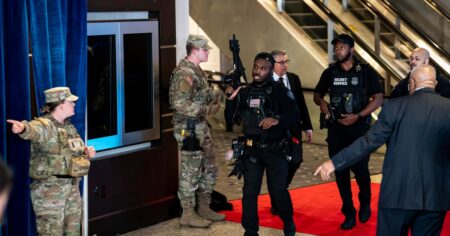
Over the weekend, President Trump issued a surprising directive that sent officials at Immigration and Customs Enforcement into a frenzy of last-minute planning. Through posts on Truth Social, the President announced his intention to deploy ICE agents to airports to provide security services, a move that came as a complete surprise to those who would be responsible for implementing it. The announcement was tied to ongoing budget negotiations, with Trump suggesting this would be his response if congressional Democrats failed to agree on funding for the Department of Homeland Security. What should have been a carefully coordinated inter-agency operation instead became a scrambling effort by officials who were blindsided by the public announcement. Sources within the department, speaking on condition of anonymity because they weren’t authorized to discuss internal matters, painted a picture of confusion and uncertainty. One DHS source summed up the situation bluntly: “I have no idea what we’re doing.” This admission from someone inside the department speaks volumes about how the directive was received and the challenges officials faced in trying to turn a presidential social media post into actionable policy.
The Context: TSA Strain During Government Shutdown
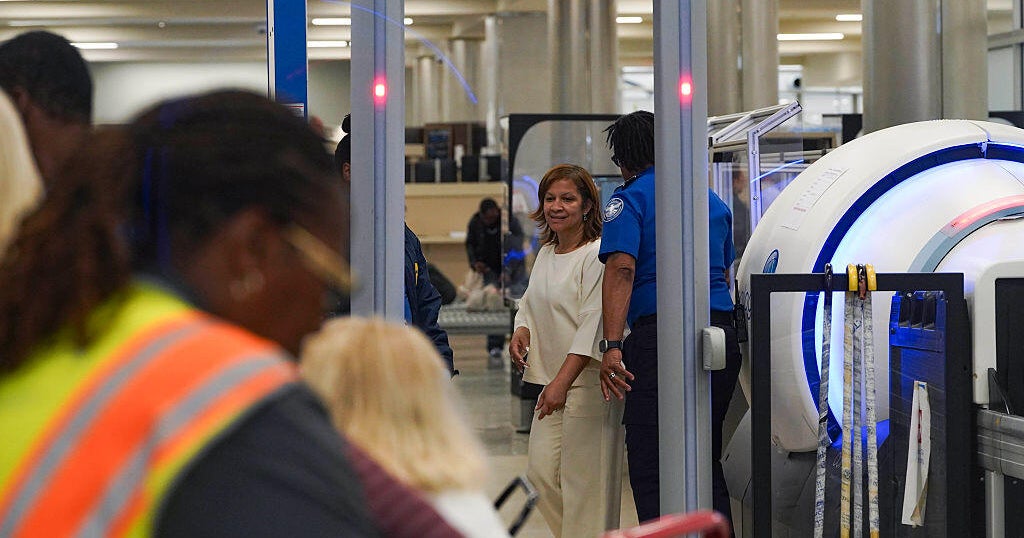
The backdrop for this controversial decision is a partial government shutdown that has put significant strain on airport security operations across the country. The Transportation Security Administration, which falls under the Department of Homeland Security umbrella, has been dealing with hundreds of resignations and sick calls from employees who have been working without pay. This workforce crisis has led to dramatically longer lines at security checkpoints nationwide, creating frustration for travelers and raising legitimate concerns about airport security. The shutdown stems from a budget impasse between the Trump administration and congressional Democrats over DHS funding. Democrats have insisted on certain immigration enforcement reforms as a condition for approving the budget, including a prohibition on ICE agents wearing masks during operations. Meanwhile, TSA workers—who are considered essential employees and must continue working despite not receiving paychecks—are feeling the financial and emotional strain, leading some to call in sick or simply resign rather than continue working under these conditions. It’s within this tense environment that President Trump made his announcement about deploying ICE agents to airports.
White House Border Czar Attempts Damage Control
Tom Homan, serving as the White House border czar, appeared on multiple news networks Sunday attempting to clarify and provide substance to the President’s directive. Speaking with CNN and Fox News, Homan explained that he was working on a plan to execute the order and would be coordinating with the heads of both TSA and ICE. His explanation suggested that ICE agents wouldn’t necessarily be screening passengers or operating the sophisticated equipment used in airport security, but would instead provide “site security” at certain airports. According to Homan’s vision, ICE agents could secure exit and entry points, potentially freeing up more TSA agents to focus on the screening process itself. He also mentioned that ICE could assist with checking IDs. However, Homan’s comments raised as many questions as they answered, particularly regarding whether ICE agents stationed at airports would also conduct immigration enforcement arrests. While he didn’t directly confirm this would happen, he noted that ICE agents routinely enforce immigration laws at airports anyway. This ambiguity is concerning given that ICE agents have broad authority under the Immigration and Nationality Act to arrest anyone, anywhere in the United States, whom they believe to be in the country illegally or deportable on other grounds.
Expert Concerns About Practicality and Mission Conflict
Former senior officials from ICE and other experts have raised serious questions about both the practicality and wisdom of this plan. A former senior ICE official who spoke with CBS News pointed out that ICE agents simply aren’t equipped or trained for the technical aspects of airport security. Operating the sophisticated screening machines, understanding the nuances of threat detection in baggage, and managing the flow of thousands of passengers through security checkpoints require specialized training that ICE agents don’t have. While these agents could theoretically augment security forces in a general law enforcement capacity, so could officers from many other agencies. The former official suggested that if the goal was to bolster airport security with immigration-related personnel, using Customs and Border Protection officers would make far more sense, since many already work at international airports conducting immigration checks for incoming travelers. Beyond the practical concerns, there’s also the question of conflicting missions. Airport security is focused on preventing terrorism and ensuring safe air travel. Immigration enforcement is an entirely different objective. Mixing these missions could create confusion and potentially compromise both. If ICE agents are checking passengers for immigration violations while they’re supposed to be providing security support, their attention is divided, potentially creating vulnerabilities in the security system.
Strong Pushback from Aviation Workers and Safety Advocates
The Flight Attendants Union issued a forceful statement opposing the plan, calling it a dangerous distraction from the real solution: properly funding and paying the TSA workers who are already trained to protect airport security. The union emphasized that Transportation Security Officers undergo rigorous, specialized training that ICE agents simply don’t have and cannot quickly learn. Airport security is a specialized field with its own protocols, technologies, and threat assessments that take time and expertise to master. The union’s statement also highlighted the problematic mixing of missions: “The introduction of ICE agents into airports creates contradictory missions, as attempts to question passengers about immigration status may distract them from ensuring airport security.” This concern is particularly relevant given the current international tensions, with the union noting that the ongoing conflict with Iran increases the desire among America’s enemies to strike against American targets. This is precisely the wrong time, they argued, to experiment with airport security by introducing personnel who lack the specific training and focus that TSA agents bring to their work. The union’s position is clear: there’s one solution that immediately solves the problem—pay the people who are already trained and equipped to do the job. The “ICE invasion,” as they termed it, is a political distraction that doesn’t address the underlying problem and may actually make airports less safe rather than more secure.
Political Stalemate Continues as Concerns Mount
As this situation continues to unfold, the fundamental political impasse remains unresolved. The Department of Homeland Security issued a statement defending the President’s directive, saying he “is using every tool available to help American travelers who are facing hours long lines at airports across the country.” The statement blamed Democrats for putting “the safety, dependability, and ease of our air travel at risk” by not agreeing to fund DHS without conditions, while praising Trump for “taking action to deploy hundreds of ICE officers, that are currently funded by Congress, to airports being adversely impacted.” However, this framing ignores the broader context of why Democrats are insisting on certain reforms before agreeing to full DHS funding. The standoff represents a clash between those who believe immigration enforcement needs guardrails and oversight, and an administration that wants maximum flexibility in conducting immigration operations. Meanwhile, the American traveling public finds itself caught in the middle, facing longer security lines, potential safety vulnerabilities, and the prospect of a militarized airport experience that introduces immigration enforcement into what should be a straightforward security screening process. As the shutdown continues and more TSA workers reach their financial breaking point, the situation at airports is likely to deteriorate further, regardless of whether ICE agents are deployed. The question now is whether political leaders will find a way to resolve their differences before a serious security incident or complete breakdown in airport operations forces their hand.