
Olympic Figure Skater Ilia Malinin Opens Up About Mental Health and the Pressure of Excellence
The Weight of Being the “Quad God”
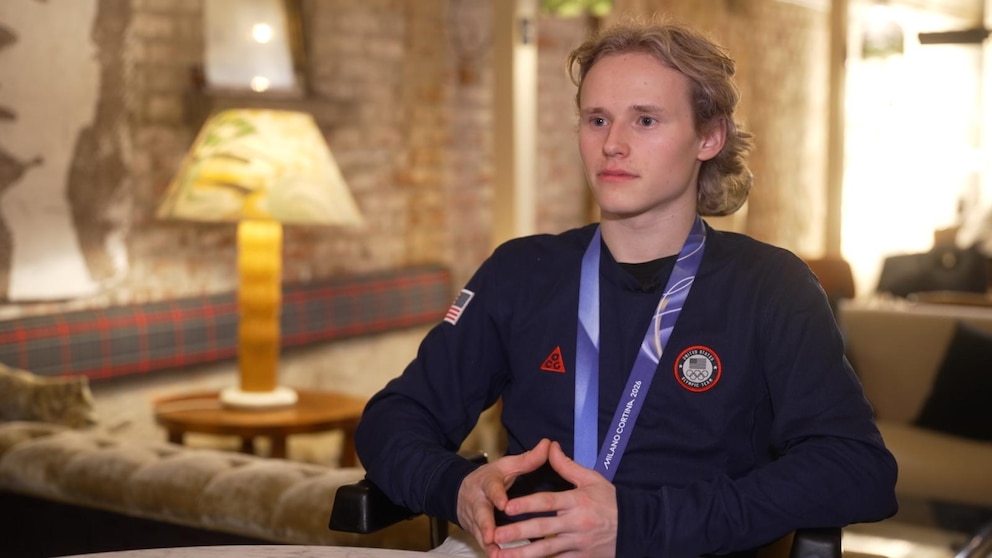
In the high-stakes world of competitive figure skating, few athletes carry the weight of expectation quite like Ilia Malinin. Known throughout the skating community as the “Quad God” for his unprecedented technical abilities, the young Olympic figure skater recently sat down with ABC News’ Marcus Moore to discuss something just as important as his athletic prowess—his mental health. In a refreshingly honest conversation, Malinin pulled back the curtain on the intense psychological pressures that come with being at the pinnacle of an already demanding sport. For someone who has revolutionized figure skating with his ability to land multiple quadruple jumps that other skaters can only dream of attempting, Malinin’s willingness to discuss the mental challenges he faces represents a significant moment in sports culture. His candidness reflects a growing movement among elite athletes who are choosing to speak openly about their struggles, helping to break down the stigma that has long surrounded mental health in competitive sports. The conversation offers a rare glimpse into the mind of an athlete who must balance the weight of enormous expectations with the very human need for emotional well-being and psychological stability.
Navigating Pressure in the Spotlight
During his interview with Moore, Malinin didn’t shy away from discussing the immense pressure that comes with his reputation and achievements. Being dubbed the “Quad God” might sound like a compliment—and in many ways, it is—but it also creates an almost impossible standard to maintain. Every time Malinin steps onto the ice, whether in practice or competition, there’s an expectation that he’ll deliver something extraordinary. The pressure doesn’t just come from judges, coaches, or fans; it comes from within himself, from that voice that reminds him of what he’s accomplished and what he’s expected to continue accomplishing. This kind of pressure can be suffocating, turning what should be a joyful expression of athletic artistry into a source of anxiety and stress. Malinin spoke about how the constant scrutiny and expectations can affect not just his performance on the ice, but his overall mental state off of it as well. The young skater emphasized that while he’s grateful for his abilities and the recognition he’s received, there are moments when the pressure feels overwhelming. Learning to manage these feelings has become just as important a part of his training regimen as perfecting his technical elements. His honesty about these struggles serves as a powerful reminder that even those who appear to have it all figured out are dealing with their own internal battles.
The Crucial Role of Support Systems
One of the most important themes that emerged from Malinin’s conversation was the vital role that support systems have played in his journey, both as an athlete and as a young person navigating the complexities of mental health. He spoke warmly about the network of people around him—family, coaches, friends, and mental health professionals—who have helped him through difficult moments. Having people who understand the unique pressures of elite athletic competition, yet also recognize that he’s a human being first and an athlete second, has been transformative for Malinin. He emphasized that it’s not weakness to ask for help or to admit when you’re struggling; rather, it’s one of the strongest and most important things an athlete can do. The support he’s received has taken many forms, from practical advice on managing competition anxiety to simply having someone to talk to who listens without judgment. Malinin’s coaches have been instrumental in creating an environment where his mental health is prioritized alongside his physical training and technical development. His family has provided a foundation of unconditional love and support that allows him to separate his worth as a person from his achievements on the ice. This comprehensive support system has given him the tools to cope with setbacks, manage stress, and maintain perspective even when the pressure threatens to become overwhelming. By speaking openly about the help he’s received, Malinin is sending an important message to other athletes who might be suffering in silence: seeking support isn’t a sign of weakness, it’s a necessary component of long-term success and well-being.
Breaking Down Mental Health Stigma in Sports
Malinin’s willingness to discuss his mental health challenges represents part of a broader cultural shift happening in the world of sports. For decades, athletes were expected to project an image of invincibility—both physical and mental. Showing vulnerability or admitting to psychological struggles was often seen as a competitive disadvantage, something that could be exploited by rivals or interpreted as a lack of mental toughness. However, in recent years, high-profile athletes across various sports have begun speaking more openly about their mental health experiences, helping to chip away at this harmful stigma. From gymnast Simone Biles stepping back from Olympic competition to prioritize her mental well-being, to tennis star Naomi Osaka opening up about depression and anxiety, to swimmer Michael Phelps discussing his battles with mental health, athletes are increasingly recognizing that addressing these issues publicly can be powerful and beneficial. Malinin joins this important conversation, bringing the perspective of a young skater who is still in the midst of building his career. His openness about the mental challenges of elite competition helps normalize these experiences for other young athletes who may be facing similar struggles but feel isolated or ashamed. By talking about mental health in the same straightforward way he discusses his training and technique, Malinin helps reinforce the message that psychological well-being is just as important as physical conditioning. His candidness may encourage other athletes, particularly in the aesthetically judged sports like figure skating where there’s often additional pressure to appear flawless, to seek help when they need it and to prioritize their mental health alongside their athletic goals.
Looking Ahead: What’s Next for the Quad God
Despite the pressures and challenges he’s faced, Malinin remains focused on the future with a sense of purpose and excitement. When discussing what’s next in his career, he revealed a mature understanding that success isn’t just about landing the most difficult jumps or winning the most medals—it’s about sustainable growth, both as an athlete and as a person. He expressed a desire to continue pushing the technical boundaries of figure skating, to keep innovating and inspiring other skaters to attempt things they never thought possible. At the same time, he emphasized the importance of maintaining balance in his life, ensuring that skating remains a source of joy rather than becoming solely a source of stress. Malinin talked about his goals for upcoming competitions, his desire to refine not just his technical elements but his artistic expression as well, creating programs that are both athletically impressive and emotionally resonant. He also mentioned the importance of being a role model for younger skaters, showing them that it’s possible to pursue excellence while also taking care of your mental health. Looking beyond his competitive career, Malinin expressed interest in staying involved in the skating community, perhaps as a coach or mentor, helping the next generation navigate the same challenges he’s faced. His thoughtful approach to his future demonstrates a level of self-awareness and maturity that bodes well not just for his continued success in skating, but for his life beyond the competitive arena. By maintaining this balanced perspective, Malinin is setting himself up for a career that’s defined not just by his technical achievements, but by his resilience, growth, and positive impact on the sport.
A Champion On and Off the Ice
Ilia Malinin’s conversation about mental health represents something just as groundbreaking as his revolutionary quad jumps—a willingness to be vulnerable, to acknowledge struggle, and to prioritize well-being alongside achievement. In a sport that demands perfection and often seems to reward those who can hide their pain behind a polished performance, Malinin’s honesty is refreshing and necessary. He’s showing the world that being a champion isn’t about being invincible; it’s about being resilient, about getting back up when you fall, about asking for help when you need it, and about recognizing that taking care of your mental health isn’t a luxury, it’s a necessity. His message resonates far beyond the figure skating community, offering inspiration to anyone who has ever felt overwhelmed by expectations or struggled with the pressure to be perfect. By sharing his story, Malinin is helping to create a culture in sports where athletes are valued as complete human beings, not just for their performances. He’s demonstrating that you can be technically brilliant, fiercely competitive, and psychologically vulnerable all at the same time—and that acknowledging the full range of your experiences actually makes you stronger, not weaker. As he continues his journey in figure skating, Malinin will undoubtedly face more challenges, both on and off the ice. But his willingness to address mental health openly, to lean on his support system, and to maintain perspective about what truly matters positions him not just as a remarkable athlete, but as an important voice in the ongoing conversation about mental health in sports. The “Quad God” is proving that his greatest strength may not be his ability to rotate four times in the air, but his courage to land firmly on the ground and speak his truth.