


Pakistan and Afghanistan Hold Peace Talks in China Amid Escalating Border Violence
Diplomatic Efforts Underway in Urumqi
After weeks of devastating violence along their shared border that has claimed hundreds of lives and severely disrupted regional trade and travel, Pakistan and Afghanistan have confirmed they are engaged in peace negotiations mediated by China. The talks, taking place in the northern Chinese city of Urumqi, represent a crucial attempt to establish a lasting ceasefire between the two neighboring nations. Officials from both countries traveled to China following Beijing’s invitation to serve as a neutral mediator in resolving the mounting tensions. While the specific identities of the negotiating teams remain undisclosed, both governments have acknowledged sending delegations to participate in these critical discussions. The international community has watched these developments with considerable concern, as the stability of this volatile region affects not only Pakistan and Afghanistan but has far-reaching implications for security across Central and South Asia.
Pakistan’s Foreign Ministry spokesperson Tahir Andrabi confirmed the delegation’s presence in Urumqi during a news briefing in Islamabad on Thursday, emphasizing that Pakistan’s participation aligns with its consistent policy of supporting credible processes aimed at finding durable solutions to cross-border terrorism originating from Afghan territory. Andrabi was careful to note that while Pakistan remains committed to dialogue, the success of these negotiations depends heavily on Afghanistan’s willingness to take concrete action. He stressed that Pakistan is seeking more than verbal assurances, demanding written guarantees from Kabul that Afghan soil will not be used as a launching pad for terrorist attacks against Pakistan. The Pakistani government has made it clear that it expects “visible and verifiable action” against terrorist groups operating from Afghanistan, particularly those targeting Pakistani interests and citizens.
Afghanistan’s Response and Beijing’s Mediation Role
From Kabul, Foreign Ministry spokesperson Abdul Qahar Balkhi confirmed that Afghanistan had dispatched “a mid-level delegation of the Islamic Emirate of Afghanistan” to participate in the talks. In a social media post, Balkhi indicated that Afghanistan agreed to engage in these discussions at Beijing’s specific request, demonstrating the influence China wields in the region. The Afghan government has expressed its belief that diplomatic engagement founded on principles of mutual respect and non-interference offers the best path toward achieving practical and lasting solutions to bilateral issues between the two nations. This response suggests a willingness, at least publicly, to work toward de-escalation, though significant challenges remain in bridging the substantial gap between the two sides’ positions.
While Chinese officials have not officially confirmed hosting the talks, Foreign Ministry spokesperson Mao Ning acknowledged on Thursday that President Xi Jinping’s government has been “actively mediating and facilitating the resolution of conflicts between Afghanistan and Pakistan.” China’s statement emphasized its long-standing support for both nations in resolving their differences through dialogue and negotiation rather than military confrontation. Beijing’s interest in stabilizing the region is hardly surprising, given China’s significant economic investments in both countries and its concerns about Islamic extremism potentially spreading into its western Xinjiang region. China’s Belt and Road Initiative depends on regional stability, making peaceful relations between Pakistan and Afghanistan essential to Chinese strategic interests. As a major power with economic leverage over both nations, China is uniquely positioned to encourage compromise and adherence to any agreements reached.
Ongoing Military Operations and Civilian Casualties
Despite the diplomatic efforts underway in China, Pakistan has made it explicitly clear that its military operations against militant groups along the Afghan border will continue unabated. This dual approach of simultaneously pursuing dialogue while maintaining military pressure reflects Pakistan’s determination to address what it views as an existential security threat. Andrabi emphasized that Pakistan would not suspend its counter-terrorism operations while negotiations proceed, though he insisted that Pakistani forces conduct these operations with care to minimize civilian casualties. This position has drawn sharp criticism from Afghan authorities, who have documented numerous incidents of Pakistani strikes causing civilian deaths and injuries on Afghan soil.
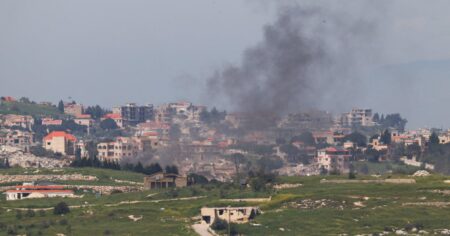
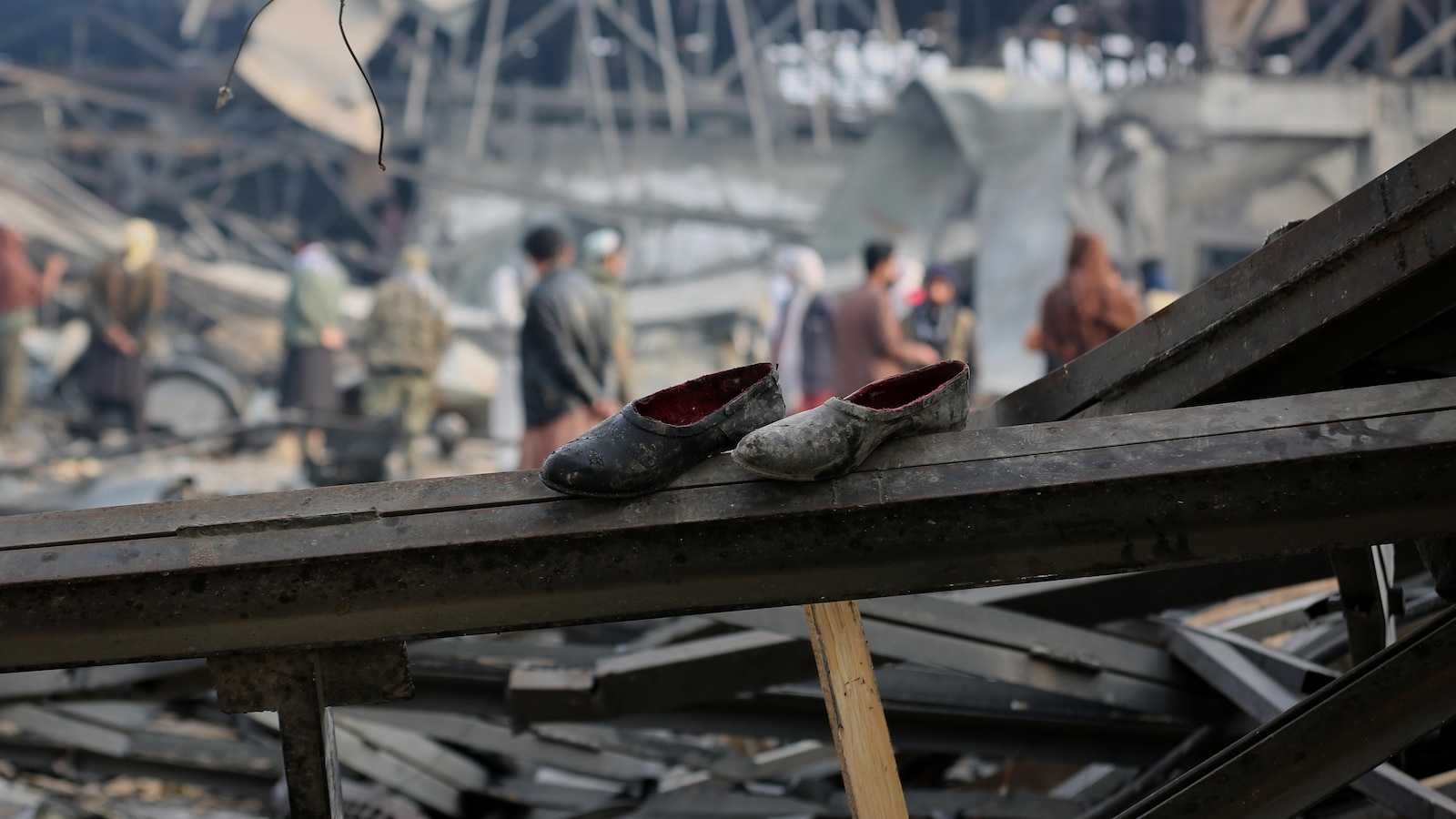
The human cost of this conflict continues to mount, with tragic consequences for innocent civilians caught in the crossfire. On Wednesday, just as news of the peace talks emerged, Afghan police spokesperson Farid Dehqan from Kunar province reported that Pakistani mortar fire had killed two civilians and wounded six others, including four children. According to Dehqan, the shelling persisted for over two hours, spreading fear throughout border communities already traumatized by weeks of violence. These incidents highlight the urgent humanitarian crisis developing along the border, where families live in constant fear of bombardment and where normal life has become impossible. The disruption extends beyond immediate casualties, as cross-border trade has ground to a halt and travel between the two countries has become extremely dangerous, affecting the livelihoods of countless people who depend on cross-border commerce and family connections that span the international boundary.
The Complex Web of Militant Groups and Accusations
At the heart of this conflict lies Pakistan’s persistent accusation that Afghanistan’s Taliban government provides safe haven to militants who conduct attacks inside Pakistan, particularly members of Tehrik-e-Taliban Pakistan (TTP), commonly known as the Pakistani Taliban. This group, while separate from Afghanistan’s ruling Taliban, maintains close ideological and operational ties with them, having supported the Afghan Taliban’s insurgency against U.S.-led forces before their 2021 takeover of Afghanistan. The TTP has conducted numerous devastating terrorist attacks inside Pakistan, killing thousands of Pakistani civilians and security personnel over the years. Pakistan insists that the Afghan Taliban government must take decisive action to dismantle TTP networks operating from Afghan territory, viewing this as a non-negotiable requirement for normalized relations.
The Afghan Taliban government categorically denies these accusations, insisting that it does not allow its territory to be used for attacks against neighboring countries. This fundamental disagreement over facts on the ground makes reaching a diplomatic resolution extremely challenging. The situation is further complicated by the presence of other militant organizations in the region, including remnants of al-Qaida and Islamic State affiliates, all of whom seek to exploit instability for their own purposes. The recent violence represents the deadliest fighting between Pakistan and Afghanistan since February, when Afghanistan accused Pakistan of launching strikes in Kabul and other areas that caused primarily civilian casualties. Pakistan maintained it had targeted TTP hideouts in those operations. The tensions reached new heights last month when Afghanistan claimed that a Pakistani airstrike on what it identified as a drug-treatment center in Kabul killed more than 400 people—a shocking death toll that could not be independently verified. Pakistan vehemently disputed this claim, asserting that it had struck an ammunition depot, not a civilian facility, and strongly denied targeting non-combatants.
Historical Context and Previous Peace Efforts
The current talks in Urumqi are not the first attempt to resolve tensions between these troubled neighbors. Earlier rounds of negotiations held in Qatar and Turkey had produced agreements for a ceasefire, which was largely observed until Pakistan conducted strikes in Kabul and other Afghan locations in late February. Those strikes triggered the cycle of border clashes that have only recently begun to subside, creating the opening for renewed diplomatic engagement. The pattern of temporary agreements followed by renewed violence highlights the deep-seated nature of the problems between the two countries and raises questions about whether any negotiated settlement can prove durable without fundamental changes in how both governments approach security concerns and militant groups operating in border regions.
Pakistan and Afghanistan’s Taliban government have maintained tense and often hostile relations since the Taliban’s return to power in 2021 following the chaotic withdrawal of American and NATO forces. Pakistan, which had maintained complex and often contradictory relationships with various Afghan factions during decades of conflict, now finds itself in the uncomfortable position of dealing with a Taliban government that it cannot fully control or influence, despite historical connections. The ongoing violence has alarmed not just regional powers but the entire international community, which fears that continued instability could allow terrorist organizations to regroup and expand their operations. With groups like al-Qaida and the Islamic State maintaining a presence in the region despite years of counter-terrorism efforts, the stakes of these negotiations extend far beyond the bilateral relationship between Pakistan and Afghanistan. The success or failure of these China-mediated talks could determine whether the region moves toward stability or descends into a more dangerous and protracted conflict with implications for global security.