


U.S. Military Strike on Suspected Drug Vessel Leaves Two Dead in Eastern Pacific
The ongoing U.S. military campaign against suspected drug trafficking vessels has claimed two more lives in the eastern Pacific Ocean, raising fresh concerns about the legal and humanitarian implications of these operations. A strike conducted on Friday left one survivor from what authorities described as a drug-trafficking boat, though questions continue to mount about the evidence supporting these designations and the broader strategy behind the administration’s approach.
The Latest Strike and Its Immediate Aftermath
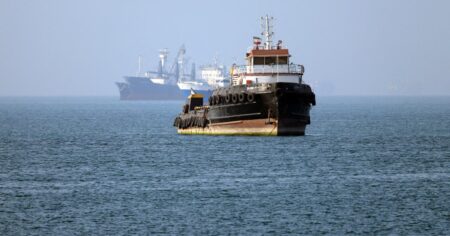
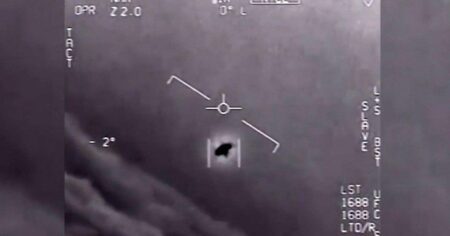
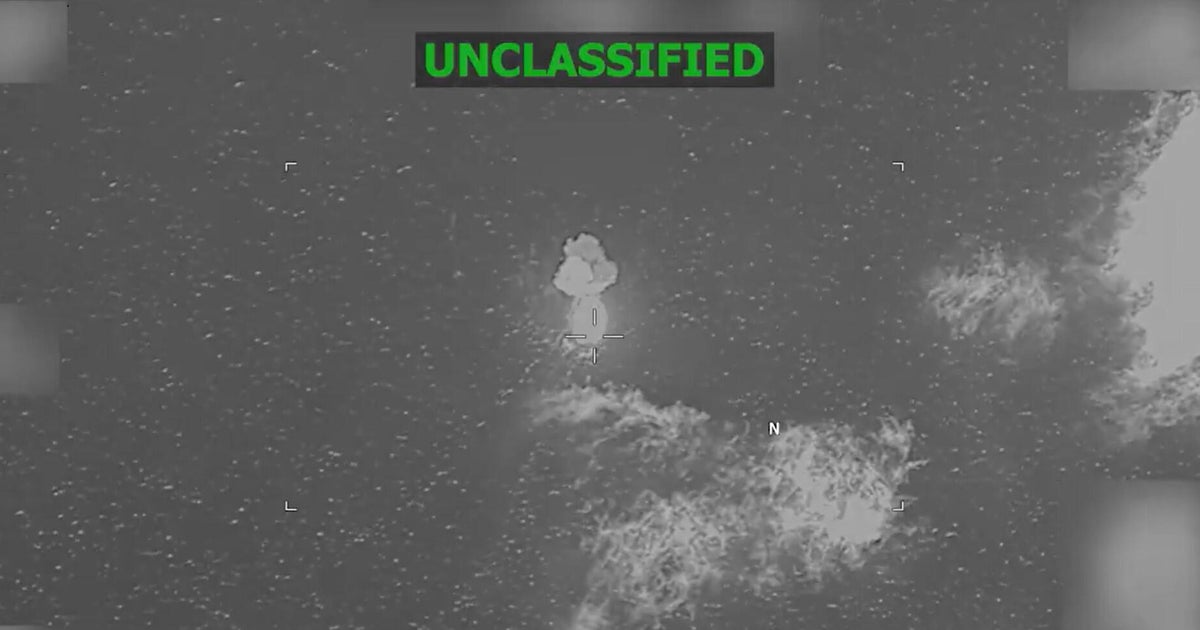
Video footage released by U.S. Southern Command on social media captured the dramatic moment of the strike, showing what appears to be a dark, boat-shaped silhouette on the water before a massive explosion erupts. The footage shows flames shooting high into the air from the ocean’s surface, creating a towering column of fire that marked the destruction of yet another vessel in this controversial campaign. Following the strike, Southern Command reported that they “immediately notified the U.S. Coast Guard to activate the Search and Rescue system for the survivor,” though officials have been notably tight-lipped about the details of the rescue operation itself or any information regarding the condition of the person who managed to survive the attack. This lack of transparency has become a hallmark of these operations, leaving many questions unanswered about who exactly is being targeted and what evidence exists to justify such lethal force. The incident represents just the latest chapter in a military campaign that has been unfolding in Latin American waters since early autumn, with devastating human consequences and minimal public accountability.
A Deadly Campaign with Mounting Casualties
The scale of this military operation is staggering when viewed in its entirety. Since the campaign began in early September, U.S. forces have destroyed numerous vessels in the eastern Pacific Ocean and Caribbean Sea, resulting in at least 192 confirmed deaths in total. These strikes have intensified in recent weeks, suggesting an escalation rather than a winding down of operations. What makes this campaign particularly controversial is the military’s failure to provide any concrete evidence that the targeted vessels were actually carrying drugs or engaged in trafficking activities. This absence of publicly available proof has raised serious questions among human rights advocates, legal experts, and international observers about whether these operations meet the standards of evidence typically required for such lethal military action. The families of those killed have been left without answers, and the international community has received little information about the criteria being used to designate vessels as legitimate targets. The strikes represent a significant shift in how the United States approaches drug interdiction, moving from traditional law enforcement methods involving arrest and prosecution to a militarized approach that appears to prioritize elimination over due process.
The Administration’s Counterterrorism Strategy and Regional Pressure
The legal and strategic framework for these strikes was formalized this week when the White House announced that President Trump has signed off on a new U.S. counterterrorism strategy. This strategy represents a fundamental reorientation of American security priorities, elevating the elimination of drug cartels in the Western Hemisphere to the administration’s highest counterterrorism priority. This designation effectively places drug trafficking organizations on the same level as traditional terrorist groups like ISIS or al-Qaeda, with all the military implications that comparison entails. Beyond the direct military action in international waters, President Trump has been actively working to pressure regional leaders throughout Latin America to collaborate more closely with the United States on targeting cartels. The administration is pushing these governments not only to cooperate with U.S. operations but also to take independent military action themselves against drug traffickers and transnational gangs. The president has characterized these criminal organizations as posing an “unacceptable threat” to the national security of countries throughout the hemisphere, framing the issue as one that requires a military rather than purely law enforcement response. This approach represents a significant departure from previous administrations’ strategies, which typically emphasized partnership with local law enforcement, judicial capacity building, and addressing the economic and social root causes of drug trafficking.
Legal Questions and the “Double Tap” Controversy
The legal basis for these strikes has become increasingly contentious, with critics questioning whether the operations comply with international law and the laws of armed conflict. The controversy reached a fever pitch in early December when the Trump administration confirmed a Washington Post report about the circumstances of the very first attack in this campaign, which occurred on September 2nd. According to the confirmation, U.S. forces conducted what military experts call a “double tap” strike—a follow-on attack that killed two survivors of the initial strike on the vessel. This revelation sent shockwaves through legal and military ethics communities because double tap strikes are widely considered problematic under international humanitarian law. The practice of targeting survivors or rescuers after an initial strike is specifically prohibited in many contexts because it violates principles of distinction and proportionality that govern armed conflict. Some lawmakers were so troubled by this disclosure that they publicly questioned whether the follow-on strike constituted a war crime under international law. The administration has provided little detailed legal justification for why such a strike would be permissible, leaving legal experts to speculate about what framework the military believes authorizes these actions. The controversy highlights broader questions about whether drug interdiction operations in peacetime can or should employ tactics typically reserved for active combat zones and whether suspected drug traffickers, who have not been convicted of any crime, can legally be treated as enemy combatants subject to lethal targeting without trial.
The Broader Context of Drug War Militarization
These strikes represent the culmination of a decades-long trend toward militarizing the U.S. response to drug trafficking, but they mark a dramatic acceleration of that approach. Previous administrations have used military assets for drug interdiction, primarily for surveillance, intelligence gathering, and support for Coast Guard operations that would stop vessels, board them, seize contraband, and arrest suspected traffickers for prosecution. What makes the current campaign different is the shift from interdiction—stopping and seizing—to what amounts to summary execution at sea. The vessels are being destroyed with what appears to be all hands on board, with survivors being the exception rather than the rule. This approach eliminates any possibility of gathering intelligence from those aboard, securing evidence for prosecution, or determining whether everyone on board was actually involved in criminal activity rather than, for example, being a fisherman whose boat was commandeered or someone forced into service by cartels. The lack of transparency about targeting decisions also raises questions about potential errors. Without seeing the intelligence that designates a vessel as a legitimate target, outside observers cannot assess whether the military might be striking legitimate fishing vessels or other boats that happen to be in areas known for drug trafficking. The campaign also raises questions about effectiveness—whether destroying boats and killing traffickers actually disrupts cartel operations in any meaningful way, or whether these organizations simply adapt by using different routes, methods, or personnel.
International Implications and the Path Forward
The international ramifications of this campaign extend far beyond the immediate casualties at sea. Latin American governments are watching carefully to see how the United States is conducting military operations in waters near their territories, and many are concerned about sovereignty implications and the precedent being set. If the U.S. can unilaterally decide to conduct lethal strikes against vessels it suspects of drug trafficking without presenting evidence or securing convictions, what prevents other countries from adopting similar approaches to their security challenges? The lack of transparency and accountability mechanisms in the current campaign could undermine international norms that have been carefully constructed over decades to govern the use of force and protect human rights. Moving forward, there are calls from human rights organizations, some lawmakers, and international legal experts for Congress to conduct thorough oversight of these operations, including demanding evidence that targeted vessels were actually engaged in drug trafficking, clarification of the legal framework being used to authorize the strikes, and accountability for incidents like the double tap strike that may have violated international law. There are also questions about whether this militarized approach is even effective at achieving its stated goal of disrupting drug trafficking, or whether it simply adds to a death toll without meaningfully impacting the flow of drugs into the United States. As the campaign continues and the body count rises, the pressure for answers, accountability, and a reassessment of strategy is likely to intensify, both domestically and internationally.