
Pin Trading: The Unofficial Sport at the Winter Games
A Beloved Tradition That Brings the World Together
While the world’s attention at the Winter Games typically focuses on the gravity-defying ski jumpers, lightning-fast speed skaters, and graceful figure skaters competing for gold, there’s another competition happening simultaneously that doesn’t appear on any official schedule. Pin trading, a colorful and captivating tradition that has evolved over decades, has become something of an unofficial sport in its own right at Olympic events. ABC News’ Marcus Moore, reporting from the vibrant streets of Milan, Italy, during the 2026 Winter Games, shines a light on this endearing subculture that captivates athletes, volunteers, spectators, and collectors alike. What started as a simple commemorative practice has blossomed into a full-fledged phenomenon with its own intricate rules, unwritten etiquette, and passionate community that spans generations and crosses every geographical and cultural boundary imaginable.
The beauty of pin trading lies in its accessibility and universal appeal. Unlike the athletic competitions that require years of training and genetic gifts, pin trading welcomes everyone with open arms—from wide-eyed children attending their first Olympic event to seasoned collectors who have been pursuing rare pins for decades. Walk through the Olympic venues, fan zones, or even just the streets of Milan during the Games, and you’ll witness this magical exchange happening everywhere. Strangers approach each other with smiles, bags jingling with colorful pins, eager to examine each other’s collections and negotiate trades. Language barriers dissolve as collectors from Japan, Canada, Brazil, and dozens of other nations communicate through gestures, translation apps, and the universal language of appreciation for these miniature works of art. It’s democracy in action, a level playing field where a child’s common pin might be exactly what a serious collector needs to complete their set, making every interaction potentially valuable and worthwhile.
The Rich History and Evolution of Olympic Pin Trading
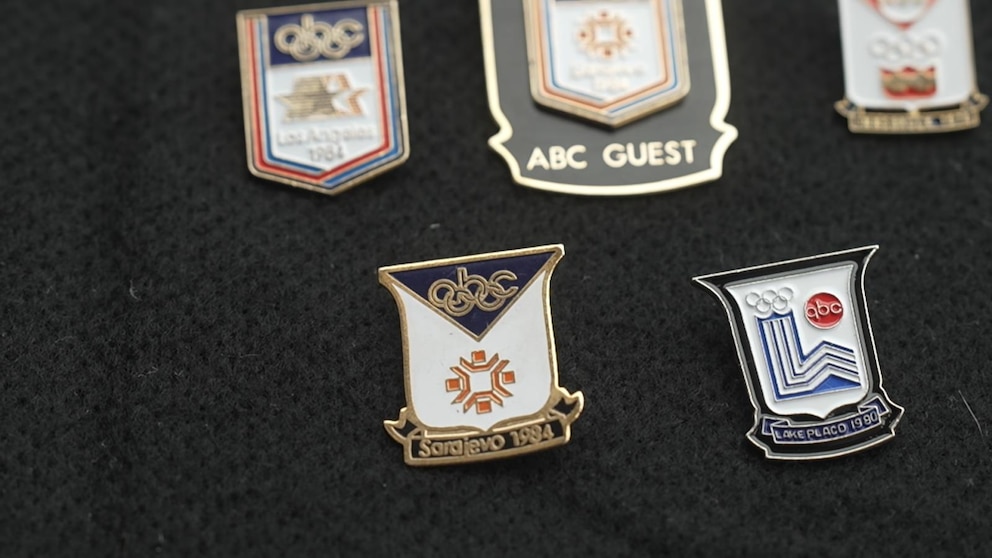
The tradition of Olympic pin trading stretches back further than most people realize, with roots that can be traced to the ancient practice of athletes and spectators exchanging tokens as mementos of their Olympic experience. However, the modern incarnation of pin trading truly took off during the 1980s, particularly at the 1984 Los Angeles Summer Games, when Coca-Cola launched an ambitious pin program that captured the public’s imagination. What the beverage giant inadvertently created was a collecting frenzy that has only intensified with each subsequent Olympic Games. By the time the Winter Games came to Calgary in 1988, pin trading had established itself as an inseparable part of the Olympic experience, with dedicated trading centers and unofficial trading zones springing up wherever Olympic fans congregated.
Each Olympic Games brings its own unique designs, themes, and sought-after pins that reflect the host country’s culture, artistic sensibilities, and interpretation of the Olympic spirit. The Milan 2026 pins showcase Italian design excellence, featuring everything from stylized renditions of Alpine events against the backdrop of the Dolomites to fashion-forward interpretations that nod to Milan’s status as a global style capital. National Olympic Committees, corporate sponsors, media organizations, and even individual athletes release their own pin designs, creating a dizzying array of options for collectors. Some pins are produced in massive quantities and become the common currency of the trading floor, while others are manufactured in extremely limited numbers—sometimes just a few dozen—making them the holy grails that traders dream about acquiring. These rare pins can feature special elements like moving parts, LED lights, precious metals, or innovative materials that push the boundaries of what these small collectibles can be.
The Unwritten Rules and Etiquette of Pin Trading Culture
To the uninitiated observer, pin trading might appear chaotic and random, but veterans of the scene know that this subculture operates according to a sophisticated set of rules and etiquette that governs interactions. The first and most sacred rule is that every trade must be fair and consensual, with both parties genuinely satisfied with the exchange. High-pressure tactics, aggressive behavior, or attempts to take advantage of someone’s lack of knowledge about a pin’s rarity are frowned upon and can quickly earn a trader a bad reputation. The community is remarkably self-policing, with experienced collectors often stepping in to educate newcomers about the value of their pins and ensuring they don’t inadvertently trade away something rare for something common.
Presentation matters significantly in pin trading culture. Serious collectors display their pins on lanyards, vests, bags, or boards, organizing them in ways that showcase their collection while also indicating which pins are available for trade. Some collectors use a color-coding system, placing pins they’re willing to trade in certain areas and keeping their “keepers”—the prized pieces they have no intention of parting with—in protected spots. When approaching another trader, etiquette demands a friendly greeting and a respectful examination of their collection. Touching someone’s pins without permission is considered rude; instead, traders typically point to items of interest and wait for the owner to remove them for closer inspection. Negotiations are expected to be good-natured, and if a proposed trade doesn’t work out, both parties typically part with a smile and wishes of good luck in finding the pins they seek. This culture of respect and mutual appreciation is what makes pin trading such a positive and inclusive community, standing in contrast to the cutthroat competitiveness that can characterize some collecting hobbies.
Why Pin Trading Captures Hearts and Creates Connections
What makes pin trading so much more than just a collecting hobby is its remarkable ability to create genuine human connections in an increasingly digital and divided world. In the trading zones scattered throughout Milan during the 2026 Winter Games, corporate executives trade with college students, retirees negotiate with teenagers, and people who couldn’t locate each other’s countries on a map become fast friends over their shared passion for these tiny treasures. The pins themselves become conversation starters that lead to exchanges about culture, travel experiences, and personal Olympic memories. A pin featuring a mascot from the 1994 Lillehammer Games might prompt stories about watching those competitions with now-deceased grandparents, while a rare athlete pin could lead to discussions about memorable performances and Olympic history.
For many participants, the pins themselves become secondary to the experiences they facilitate. Parents introduce their children to pin trading as a way to make the Olympic experience more interactive and educational, teaching lessons about negotiation, cultural appreciation, and the value of community. Athletes often engage in pin trading as a way to decompress from the intensity of competition and connect with fans and fellow competitors in a low-stakes, fun environment. Some of the most enthusiastic traders are Olympic volunteers and staff members who work long hours behind the scenes; for them, building their pin collections becomes a tangible way to commemorate their Olympic contribution and the friendships they forge during the Games. The physical nature of pin trading—the in-person interactions, the tactile pleasure of examining beautifully crafted pins, the immediate gratification of a successful trade—provides a refreshing counterpoint to our screen-dominated lives and reminds us of the simple joy of human interaction.
The Economics and Investment Potential of Olympic Pins
While many participants engage in pin trading purely for the joy of collecting and the social experience, there’s also a serious economic dimension to this hobby that can’t be ignored. Rare Olympic pins have been known to sell for hundreds or even thousands of dollars on secondary markets, with certain pieces from historic Games or featuring legendary athletes commanding premium prices. Pins from the first modern Olympics in 1896, or even those from more recent but significant Games like the 2002 Salt Lake City Winter Olympics, have appreciated considerably in value over the years. Some collectors approach pin trading with an investor’s mindset, carefully tracking production numbers, identifying pins likely to appreciate, and strategically building collections that could yield financial returns down the road.
However, the economics of pin trading operate quite differently during the Games themselves, where monetary transactions are generally discouraged in favor of the traditional trade model. The value system during active trading is complex and fascinating, with a pin’s worth determined by factors including its scarcity, aesthetic appeal, the prestige of its issuer, and the current demand among collectors at that particular Games. A pin that might be extremely valuable to one collector because it completes a set they’ve been pursuing for years might hold little appeal to another trader, creating opportunities for mutually beneficial exchanges that transcend monetary value. This barter economy creates a level playing field where savvy trading skills and social connections can be just as valuable as financial resources, and where a newcomer with the right pin at the right time can make trades that seasoned collectors envy.
The Future of Pin Trading in a Digital Age
As the Olympic movement continues to evolve and adapt to changing times, questions naturally arise about the future of traditional practices like pin trading in an increasingly digital world. Some organizations have experimented with digital pin trading apps and virtual collectibles, attempting to translate the pin trading experience into a format accessible to those who can’t attend the Games in person. While these digital initiatives have found some success, particularly among younger audiences comfortable with virtual collecting, they haven’t managed to replicate the magic of in-person trading. There’s something irreplaceable about the physical presence of another collector, the weight of a pin in your hand, the gleam of enamel catching the light, and the spontaneous conversations that happen when two strangers discover a shared passion.
The pin trading community at the Milan 2026 Winter Games demonstrates that this tradition remains vibrant and relevant, adapting to contemporary circumstances while maintaining its essential character. Social media has actually enhanced the experience for many collectors, allowing them to connect before the Games, arrange meetups, and share photos of their acquisitions in real-time with friends back home. The fundamental appeal of pin trading—the human connection, the thrill of the hunt, the tangible nature of the collectibles, and the inclusive community—continues to resonate across generations and cultures. As long as the Olympic Games bring together people from around the world in celebration of athletic excellence and international friendship, pin trading will likely remain one of the Games’ most beloved unofficial sports, a colorful thread in the rich tapestry of Olympic tradition that reminds us that sometimes the most meaningful competitions are the ones where everybody wins.