


Sudan’s Unfolding Humanitarian Catastrophe: A Mother’s Day Reflection on the World’s Forgotten Crisis
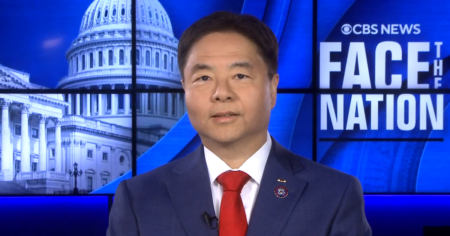
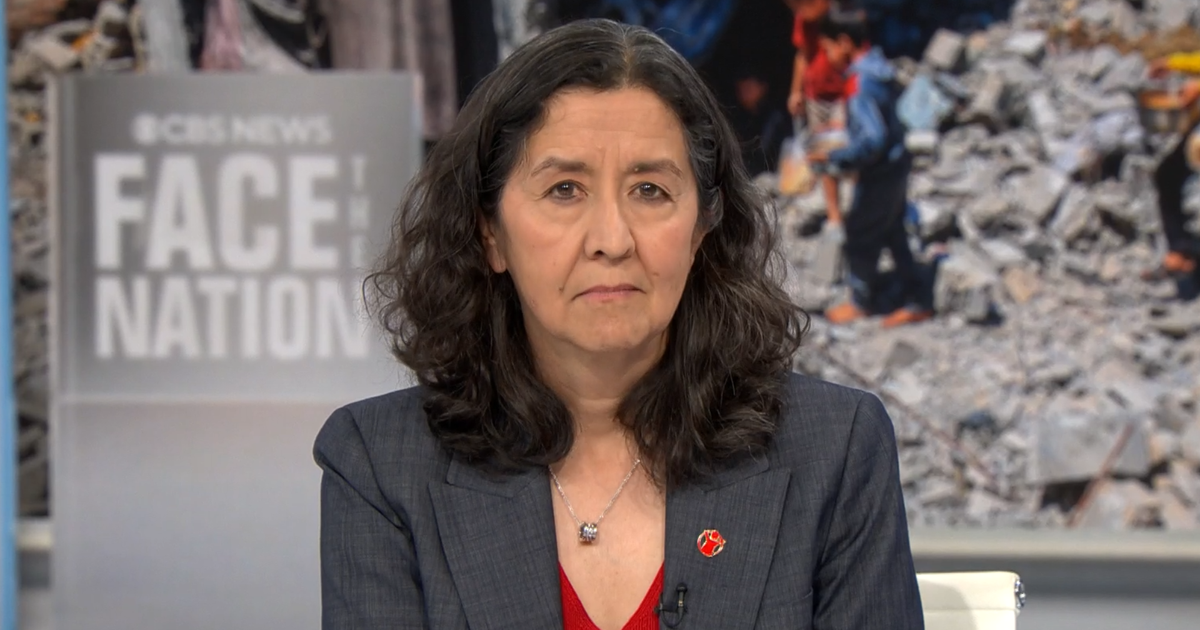
On Mother’s Day 2026, a sobering conversation unfolded on “Face the Nation” that brought into sharp focus one of the world’s most devastating yet overlooked humanitarian crises. Janti Soeripto, President and CEO of Save the Children U.S., had just returned from Sudan, and her account painted a harrowing picture of what it means to be a parent—especially a mother—in a country that Pope Leo described as experiencing “an inhumane tragedy.” With 34 million people requiring urgent assistance according to the United Nations, Sudan represents not just a humanitarian emergency but a profound failure of the international community to protect the most vulnerable among us. What makes this crisis particularly troubling is not just its scale, but the relative silence surrounding it—a humanitarian catastrophe unfolding in the shadows while the world’s attention remains fixed elsewhere.
The Logistical Nightmare: Reaching Those Who Need Help Most
Soeripto’s journey to Sudan illustrated just how complicated delivering aid has become in conflict zones. What should have been a straightforward mission took four days of travel just to reach the first school her organization supports. This isn’t simply an inconvenience—it’s a matter of life and death. The obstacles facing humanitarian workers are staggering: they must navigate through territories controlled by multiple militant groups, each with their own checkpoints and demands. The infrastructure that once existed has largely crumbled, with paved roads giving way to treacherous rocky paths that can take days or weeks to traverse. This “last mile” problem, as aid workers call it, means that even when resources are available, getting them to desperate families becomes an almost insurmountable challenge. For Soeripto, who has witnessed emergency situations and fragile states across the globe, Sudan stood out as exceptionally dire. The combination of massive need, operational complexity, and international indifference has created a perfect storm of suffering that continues largely unseen by the rest of the world.
War’s Most Brutal Weapon: Sexual Violence Against Women and Girls
Perhaps the most disturbing aspect of Sudan’s crisis is the systematic use of sexual violence as a weapon of war. The statistics are staggering and almost incomprehensible: 13 million people, predominantly women and girls, require support related to sexual violence—a figure four times higher than before the current conflict began. Doctors Without Borders didn’t mince words, stating that the war is being “fought on the backs and bodies of women and girls.” This isn’t collateral damage; it’s a deliberate tactic designed to terrorize communities and destroy the social fabric. When confronted with the criticism that aid organizations aren’t doing enough, Soeripto was refreshingly honest: they’re doing what they can, but it’s simply not enough. The resources aren’t there, and what resources they do have cannot reach everyone who needs them. The stories Soeripto heard represent just the tip of the iceberg—accounts that defy belief in their cruelty and trauma. These aren’t abstract statistics; they’re mothers, daughters, and sisters whose lives have been shattered by violence that uses their bodies as battlegrounds.
The Human Face of Displacement: Stories from the Ground
The personal accounts Soeripto shared brought the crisis into heartbreaking focus. Save the Children has approximately 150 staff members in Darfur, the region Soeripto visited, and every single one has been displaced from their homes. These aren’t distant observers—they’re victims of the same violence they’re trying to help others escape. One colleague’s story particularly stood out: a mother who had to walk with her 16-year-old daughter after the girl was threatened. The mother fought physically to protect her child—Soeripto could see the scars on her face—and both eventually escaped with help, achieving what Soeripto called “a somewhat happy ending.” But for every story with even a glimmer of hope, countless others end in tragedy. The women Soeripto met had walked for days without sleep, driven by the singular goal of keeping themselves and their families alive. In northern Darfur, where 700,000 displaced people are scattered across stretches of desert, the vast majority of households are headed by women. Their husbands and fathers have been killed, disappeared, or forced to join fighting groups. These women carry the entire weight of survival on their shoulders, trying to find food, water, and safety in an environment that offers none of these things reliably.
Compounding Crises: How Regional Conflicts Impact Global Aid
As if the situation in Sudan weren’t challenging enough, Soeripto explained how the war in Iran has created additional obstacles to delivering humanitarian assistance. Currently, about half a million dollars worth of supplies—including vital medicines and drugs—remain stuck in Dubai, unable to reach those who desperately need them due to blockages in the Strait of Hormuz. This illustrates what aid workers call “the cost of war”—not just the immediate human toll but the cascading effects that ripple across regions. Transportation costs have skyrocketed, making essential supplies like Plumpy’nut (a therapeutic food for treating severe malnutrition in children) 12 to 15 percent more expensive than before the conflict. Delivery times have lengthened significantly as aid organizations must find alternative routes to circumvent conflict zones. For supply chain teams at organizations like Save the Children, creativity and adaptability have become essential survival skills. They’re already operating in incredibly difficult conditions within Sudan itself—navigating bureaucratic hurdles to get authorizations, dealing with non-existent infrastructure, and managing the physical challenge of transporting goods across terrain where paved roads give way to rocky paths that take days to traverse. The Iran conflict adds yet another layer of complexity to an already nearly impossible task.
Gaza and the Question of Progress: Competing Narratives of Reality
The conversation then turned to another humanitarian flashpoint: Gaza. Here, Soeripto’s organization found itself in direct contradiction with the White House narrative. While the Trump administration claimed “tremendous progress” on implementing a 20-point peace plan six months into the Gaza ceasefire, Save the Children and other humanitarian organizations published findings stating flatly that the plan was failing. These aren’t simply different opinions—they represent fundamentally different assessments of reality on the ground. Soeripto explained her organization’s methodology: they took each point of the peace plan and evaluated it against actual conditions, using data from their 200 staff members in Gaza, publicly available UN information, and direct observations. They asked basic questions: Is there less violence? Do aid workers have unfettered access to deliver supplies? Can staff rotate in and out to prevent burnout and maintain operations? The answers, according to their published findings, were disappointing. Despite the heroic daily efforts of their Gaza staff, getting supplies into the territory remains incredibly difficult, and rotating staff in and out is nearly impossible. The disconnect between political declarations of progress and the lived reality of humanitarian workers illustrates a broader problem: the tendency of governments to measure success by agreements signed rather than lives improved. For the families trying to survive in Gaza, the question isn’t whether a 20-point plan exists on paper—it’s whether they have food, medicine, and safety today.
The interview with Janti Soeripto on Mother’s Day served as a powerful reminder that for millions of mothers around the world, the basic act of keeping their children alive has become an extraordinary daily struggle. In Sudan, in Gaza, and in other conflict zones, women are bearing the heaviest burden of violence and displacement while simultaneously serving as the primary protectors and providers for their families. The challenges facing humanitarian organizations are immense—logistical nightmares, funding shortfalls, political obstacles, and the sheer scale of suffering that seems to grow faster than the response can keep pace. Yet perhaps the most troubling aspect is the attention gap: crises of enormous magnitude unfold with relatively little international awareness or action. As Soeripto noted, Sudan is “probably the one that gets the least attention relative to the need.” In our interconnected world, we have unprecedented ability to know about and respond to suffering—yet we seem increasingly selective about which crises merit our attention and resources. The work continues, carried forward by dedicated humanitarian workers and the remarkable resilience of survivors, but the question remains: when will the world’s response match the scale of the need?