
Senator Kelly Criticizes Trump’s $1.5 Trillion Defense Budget as “Outrageous”
A Dramatic Increase in Military Spending
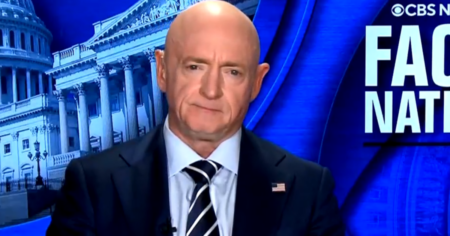
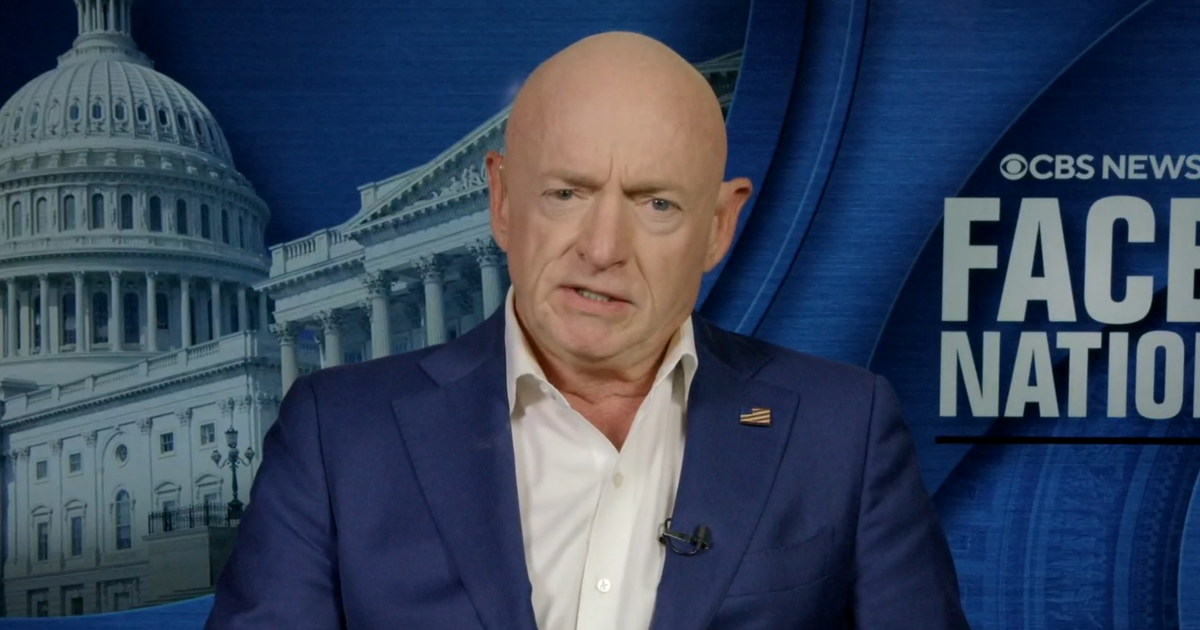
Senator Mark Kelly of Arizona didn’t mince words when he appeared on “Face the Nation” this past Sunday, calling the Trump administration’s latest defense budget request completely unreasonable. The Democratic senator, who has served in the Senate for about five and a half years, expressed serious concerns about the proposed $1.5 trillion for military spending in fiscal year 2027. To put this astronomical figure in perspective, Kelly reminded viewers that when he first arrived in the Senate, the defense budget stood at just over $700 billion. The current proposal would essentially double that amount, representing a staggering 42% increase from 2026 spending levels. What makes this even more remarkable, according to Kelly, is that this single budget request approaches what the entire rest of the world combined spends on defense. The senator’s concerns aren’t just about the overall price tag – though that’s certainly significant – but also about whether this money would actually make Americans safer or simply disappear into programs that may not deliver results.
Questionable Programs and Dubious Physics
As a member of the Senate Armed Services Committee, Kelly has had the opportunity to dig into the details of the budget proposal, and what he’s found troubles him deeply. While he acknowledges that some components of the budget make sense – such as pay raises for service members and restocking critical munitions – other elements raise serious red flags. Kelly specifically called out the “Golden Dome” program, an ambitious space-based missile defense system that the administration wants to fund. Drawing on his background as a former NASA astronaut and naval aviator, Kelly expressed deep skepticism about the scientific feasibility of such a system. “The physics on that stuff is really, really hard,” he explained during the interview, speaking with the authority of someone who actually understands the complexities of space-based technology. His prediction was blunt and concerning: the government would likely pour enormous amounts of taxpayer money into this program only to end up with a system that simply doesn’t work. This kind of straight talk from someone with Kelly’s technical background carries significant weight and highlights a broader problem with defense spending – the tendency to fund flashy, high-tech solutions that sound impressive but may not be practical or achievable with current technology.
The Hidden Costs of the Iran Conflict
Beyond the regular defense budget, there’s another massive expense looming on the horizon that Kelly and other lawmakers will need to address. The White House is expected to request a supplemental spending package specifically to cover the costs of military operations related to the war with Iran. Here’s where things get murky and concerning: the official numbers being presented don’t seem to match reality. A Pentagon official testified before Congress late last month that the war had cost approximately $25 billion. However, U.S. officials who are familiar with internal assessments have suggested that the actual price tag could be much closer to $50 billion – potentially double the official estimate. This discrepancy raises important questions about transparency and whether the American people are getting accurate information about what military engagements are actually costing. When government officials can’t seem to agree on whether something costs $25 billion or $50 billion, it suggests either a lack of proper accounting or, perhaps more troubling, a reluctance to be fully honest with Congress and the public about the true financial burden of these military operations.
Depleted Arsenal and National Security Concerns
Perhaps Kelly’s most alarming comments during the interview concerned the current state of America’s munitions stockpile. Based on classified Pentagon briefings he’s received that detailed specific weapons inventories, the senator painted a troubling picture of just how depleted U.S. ammunition reserves have become. He described the situation as “shocking,” explaining that the country has gone dangerously deep into its magazines – military terminology for ammunition storage facilities. Kelly placed the blame squarely on President Trump’s shoulders, arguing that the administration got the country into this conflict “without a strategic goal, without a plan, without a timeline.” This lack of planning and clear objectives has resulted in the expenditure of vast quantities of munitions without a clear path to success or exit. The consequences of this depletion extend far beyond the current conflict with Iran. Kelly warned that whether the United States faces a potential conflict with China in the western Pacific or needs to respond to threats elsewhere in the world, the country’s ability to respond effectively has been significantly compromised because the munitions simply aren’t there anymore.
The Real Cost to American Security
What makes this situation particularly troubling, according to Kelly, is that all this spending and weapons depletion hasn’t made Americans safer – it’s actually accomplished the opposite. By engaging in a poorly planned conflict and burning through munitions stockpiles without a clear strategy for victory or resolution, the administration has left the country in a more vulnerable position than before. This represents a fundamental failure of defense policy: spending enormous amounts of money while simultaneously reducing national security. Kelly’s concern reflects a broader debate about military strategy and preparedness. It’s one thing to spend money on defense; it’s quite another to ensure that spending actually enhances security rather than undermining it. The senator’s comments suggest that the current approach fails this basic test. The combination of questionable programs like Golden Dome, unclear accounting of war costs, and dangerous depletion of weapons stockpiles creates a perfect storm of wasteful spending and reduced readiness – exactly the opposite of what defense spending should accomplish.
Looking Ahead: Budget Battles and Strategic Questions
The Trump administration’s budget proposal serves as a starting point for negotiations with Congress over the coming months, and those negotiations promise to be contentious. Senators like Kelly will need to balance legitimate defense needs against fiscal responsibility and strategic coherence. The questions he’s raising aren’t partisan talking points – they’re fundamental issues about how America approaches national security in an increasingly complex world. Can the country afford to essentially double defense spending in just a few years? Should taxpayer money fund ambitious but potentially unworkable systems like space-based missile defense? How can the military rebuild depleted stockpiles while also avoiding future conflicts that drain those reserves without clear strategic purpose? These are the debates that will shape not just the final budget numbers but America’s security posture for years to come. Kelly’s willingness to speak bluntly about these issues, drawing on his unique background as both an astronaut and a senator with access to classified briefings, provides valuable perspective as Congress begins the difficult work of turning a proposal into actual policy. Whether his concerns will result in significant changes to the administration’s request remains to be seen, but he’s clearly prepared to fight against what he sees as wasteful and counterproductive spending that leaves America less safe rather than more secure.