

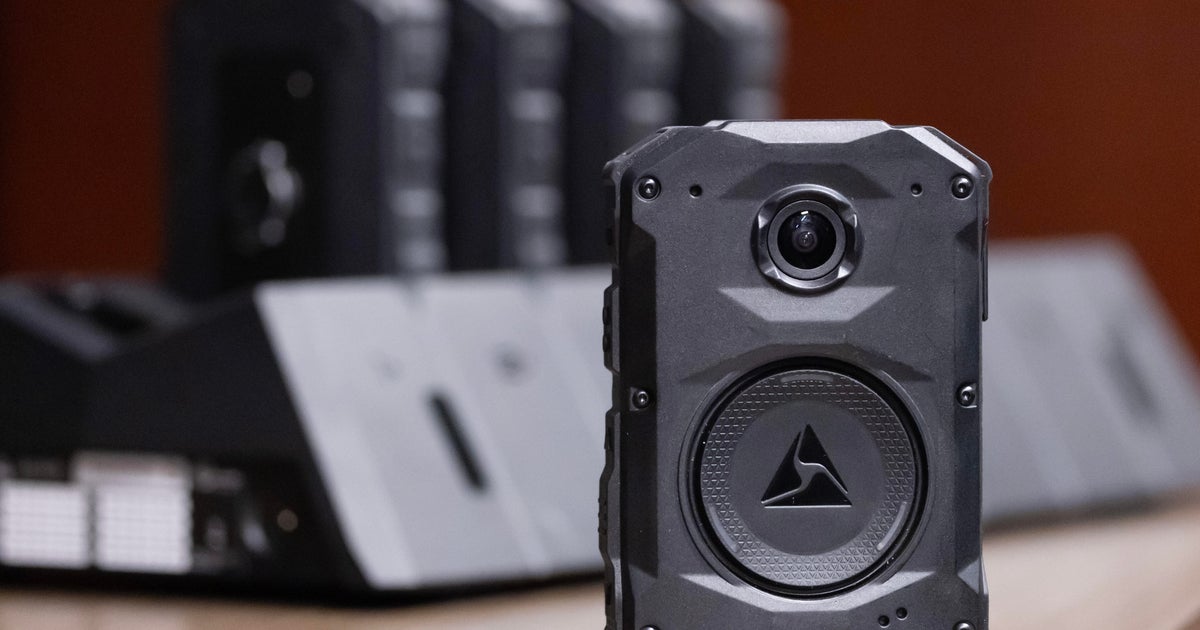

Federal Immigration Agents in Minneapolis Now Required to Wear Body Cameras
A Major Policy Shift Amid Growing Controversy
In a significant development that comes on the heels of mounting pressure and public outcry, Homeland Security Secretary Kristi Noem announced on Monday that all federal immigration agents operating in Minneapolis will be required to wear body cameras effective immediately. This decision marks a crucial turning point in how immigration enforcement is conducted and documented, particularly as the Department of Homeland Security faces intense scrutiny following two fatal shootings involving federal agents in the Twin Cities area. Secretary Noem, who coordinated this decision with the leadership of both Immigration and Customs Enforcement (ICE) and Customs and Border Protection (CBP), made the announcement via social media, emphasizing that this policy would eventually expand to cover all DHS law enforcement personnel nationwide as funding becomes available. President Trump voiced his support for the initiative, noting that body cameras “generally tend to be good for law enforcement because people can’t lie about what’s happening.” This statement reflects a broader acknowledgment that transparency in law enforcement operations can protect both officers and the communities they serve.
The Tragic Events That Sparked Change
The push for mandatory body cameras didn’t emerge in a vacuum—it came as a direct response to two heartbreaking incidents that shook the Minneapolis community and raised serious questions about federal immigration enforcement practices. Late last month, Alex Pretti was fatally shot by two CBP agents in Minneapolis, a tragedy that occurred just weeks after Renee Good was killed by an ICE agent. These back-to-back deaths sent shockwaves through the community and prompted bipartisan criticism of the Department of Homeland Security’s tactics and procedures. The circumstances surrounding these shootings have left families grieving and communities demanding answers about how federal agents conduct their operations and what accountability measures exist to prevent such tragedies. The deployment of approximately 3,000 federal agents to the Minneapolis area, part of a monthslong crackdown targeting individuals accused of being in the country illegally and connected to an ongoing fraud scandal in Minnesota, had already created tension in the community. Following Pretti’s death, the White House dispatched border czar Tom Homan to Minnesota, where he indicated that preparations were underway for a “drawdown” of forces in the state, though no clear timeline has been established for when this reduction might occur.
The Current State of Body Camera Usage
While the new policy represents a significant expansion, it’s important to understand that federal agents haven’t been entirely without body cameras until now. In certain situations and locations, agents have already been using this technology. In fact, the Department of Homeland Security possessed body camera footage from multiple federal agents who were present at the scene of Alex Pretti’s death, as CBS News previously reported. This footage was specifically referenced in a preliminary report submitted to Congress by CBP’s Office of Professional Responsibility, demonstrating that while cameras were present, their use wasn’t universally mandated. The inconsistent application of body camera requirements across different locations and situations has been a point of contention. For example, a federal judge took the unusual step last year of ordering federal agents to wear body cameras during all “law enforcement activities” during an immigration surge in Chicago. When federal officials seemed to drag their feet on implementing this directive, the judge felt compelled to clarify that the order “wasn’t a suggestion” and was “not up for debate,” highlighting the resistance that has sometimes met attempts to increase transparency and accountability in immigration enforcement operations.
The Political Battle Over Funding and Reform
The body camera announcement comes amid intense political wrangling in Congress over Department of Homeland Security funding, with Democrats seizing on recent events to push for comprehensive reforms as a condition of their support. Senate Democrats, led by Minority Leader Chuck Schumer, have made it clear that they want body cameras to be required by law for all immigration agents, describing their position as a “masks off, body cameras on” policy. This demand is part of a broader package of reforms that Democrats are insisting upon in exchange for their votes to fund DHS for the remainder of the fiscal year. A previously negotiated bill to fund the department until September had already included $20 million specifically earmarked for ICE and CBP to purchase body cameras, showing that there was already some movement in this direction before the recent shootings intensified the debate. However, since Pretti’s death, Democratic senators have significantly hardened their stance, declaring they will not vote for any DHS funding legislation that doesn’t include more substantial reforms beyond just body cameras. This standoff led the Senate to vote late last week on a two-week extension of DHS funding, providing Congress with additional time to negotiate a longer-term agreement that might satisfy both parties’ concerns. The House of Representatives is expected to take up this temporary funding measure this week, but the ultimate resolution of this dispute remains uncertain.
The Historical Context and Executive Actions
The debate over body cameras for federal law enforcement isn’t new, and understanding its history provides important context for the current situation. Former President Joe Biden signed an executive order in 2022 that laid the groundwork for requiring all federal agents to wear body cameras in “all appropriate circumstances.” This order was part of a comprehensive package of changes to federal law enforcement practices aimed at increasing accountability and transparency across various agencies. However, this progress was short-lived in the broader scheme of things. Shortly after his second inauguration earlier this year, President Trump rescinded Biden’s executive order, effectively removing the federal mandate that had been working its way through the implementation process. This reversal made the current announcement by Secretary Noem all the more noteworthy, as it represents a return to the policy direction set by the previous administration, albeit through a different mechanism and prompted by specific tragic circumstances rather than as part of a broader reform agenda. The fact that Trump has now expressed support for body cameras, despite having eliminated the previous requirement, illustrates how the recent shootings have changed the political calculus around this issue.
Looking Ahead: Implementation and Implications
As this new policy rolls out, numerous questions remain about how it will be implemented and what real-world impact it will have on immigration enforcement and community relations. Secretary Noem’s commitment to expanding the body camera requirement nationwide “as funding becomes available” suggests that while Minneapolis will see immediate changes, other communities may have to wait for budgetary considerations to be resolved. The $20 million included in the previously negotiated funding bill would represent a start, but equipping thousands of agents across the country with body cameras, along with the necessary infrastructure for storing and managing the footage, will require substantial ongoing investment. Beyond the logistical and financial considerations, there are also important policy questions about when cameras must be activated, how footage will be retained and accessed, under what circumstances it can be released to the public, and what consequences will exist for agents who fail to comply with body camera requirements. The experiences in Chicago and now Minneapolis may provide valuable lessons as the policy expands, but each community and situation presents unique challenges. For the families of Alex Pretti and Renee Good, and for communities across the country where immigration enforcement operations are conducted, the hope is that increased transparency through body cameras will prevent future tragedies, provide accountability when things go wrong, and help rebuild trust between federal law enforcement and the communities they serve. Whether this policy change will be sufficient to address the deeper concerns about immigration enforcement tactics, or whether it represents just the first step in a longer journey toward reform, remains to be seen as the political process unfolds in Congress and implementation begins on the ground.