


Trump Administration Releases Massive Oil Reserves as Middle East Conflict Drives Prices Skyward
Historic Emergency Response to Energy Crisis
In a dramatic response to surging oil prices triggered by escalating military conflict with Iran, President Trump has authorized the release of 172 million barrels of oil from America’s Strategic Petroleum Reserve. This substantial drawdown represents one of the largest emergency releases in the reserve’s history and comes as global energy markets face severe disruption. Energy Secretary Christopher Wright announced Wednesday that the releases would begin the following week and continue for approximately 120 days. This American contribution is part of a much larger coordinated international effort, with the International Energy Agency’s 32 member nations—primarily U.S. allies—collectively releasing 400 million barrels from their emergency stockpiles. The administration has promised to eventually replenish these reserves, with Wright stating plans to add 200 million barrels “within the next year,” while President Trump assured reporters that “we’ll fill it up” once the immediate crisis passes. This emergency action underscores the severity of the current energy situation and the administration’s concern about the economic impact of sustained high oil prices on American consumers and businesses.
The Iran Factor and Long-Standing Energy Security Threats
The decision to tap strategic reserves comes against a backdrop of intensifying military operations against Iran and mounting concerns about energy security in the volatile Middle East region. Energy Secretary Wright framed the release in stark geopolitical terms, declaring that “for 47 years, Iran and its terrorist proxies have been intent on killing Americans” and have “manipulated and threatened the energy security of America and its allies.” His statement signals that the administration views this energy crisis not merely as a market disruption but as part of a larger strategic confrontation with Iran that has spanned decades. The current situation escalated dramatically after the U.S. and Israel began conducting military strikes on Iran nearly two weeks prior to the announcement, causing oil prices to jump sharply and remain elevated due to fears about major supply disruptions. The benchmark U.S. crude oil price, West Texas Intermediate, was trading at just over $92 per barrel on Wednesday evening, having climbed approximately 7.2% over the course of the day. Interestingly, prices remained largely unchanged following the announcement of the Strategic Petroleum Reserve release, suggesting that markets had already anticipated this move or that traders remain skeptical about its effectiveness in addressing the underlying supply problems.
Critical Infrastructure Under Threat: The Strait of Hormuz Crisis
At the heart of the current oil price surge lies a critical bottleneck in global energy flows: the Strait of Hormuz. This narrow waterway between Iran and the Arabian Peninsula has become a focal point of the crisis, with commercial traffic effectively grinding to a standstill amid fears that oil tankers could become military targets. The stakes could hardly be higher—this strategic chokepoint carries approximately 20% of the world’s oil supply, representing some 15 million barrels per day under normal circumstances. As traffic through the Persian Gulf has become blocked, oil producers have been forced to cut production, creating genuine supply shortfalls rather than mere market speculation. President Trump has made repeated efforts to restore normal shipping through the strait, offering insurance coverage for oil tankers willing to brave the dangerous waters and issuing severe warnings to Iran against interfering with maritime traffic. The situation has grown increasingly tense, with Iran reportedly signaling its intention to deploy naval mines in the strait, according to CBS News. Trump responded with characteristic force, threatening “military consequences…at a level never seen before” and even telling CBS News that he was “thinking about taking [the strait] over”—a statement that raised eyebrows among foreign policy experts and allies alike.
The Strategic Petroleum Reserve: America’s Energy Insurance Policy
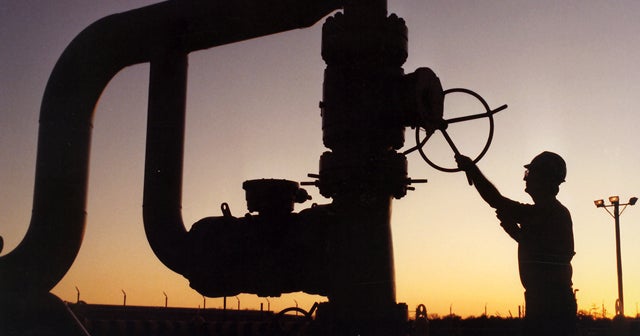
The Strategic Petroleum Reserve being tapped for this release represents one of America’s most important energy security assets. Stored in massive underground salt caverns along the Gulf Coast in Texas and Louisiana, these emergency stockpiles held approximately 415 million barrels as of last week, according to government figures. The reserve system was originally established in the 1970s following the Arab oil embargo that severely disrupted supplies to the United States and its allies, creating gas lines, economic turmoil, and a recognition that America needed an emergency buffer against supply shocks. The International Energy Agency’s broader reserve system, created in the same era, now encompasses more than 1.2 billion barrels across its member countries. These reserves have been tapped periodically over the decades to address various crises and price spikes, most recently in 2022 when Russia’s invasion of Ukraine sent energy prices soaring and threatened European energy security. Each time these reserves are used, it sparks debate about whether the situation truly constitutes an emergency worthy of depleting strategic stockpiles versus allowing market forces to work, and whether releases actually achieve their intended price-moderating effects or simply delay inevitable market adjustments.
Questions About Effectiveness and Long-Term Solutions
Despite the massive scale of the coordinated release—400 million barrels globally, with the U.S. contributing 172 million—serious questions remain about whether this intervention will meaningfully address the crisis or merely provide temporary relief. Expert analysis suggests the releases may have limited impact on the fundamental problem driving prices higher. Nicholas Mulder, a Cornell University professor of history who specializes in studying the economic impacts of wars and sanctions, offered a sobering assessment to CBS News earlier in the week: “The SPR can help, but it’s not a silver bullet, and it’s not going to take away all the pressure on consumer prices.” He explained that “the war is driving up prices on the world market, and there isn’t an easy way out.” This expert perspective highlights a crucial reality: releasing oil from strategic reserves addresses symptoms rather than causes. While additional supply entering the market may provide some downward pressure on prices, it cannot resolve the underlying geopolitical crisis that has disrupted normal shipping routes and forced production cuts. The market’s muted reaction to the release announcement—with oil prices remaining largely unchanged despite the news—suggests traders share this skepticism about the intervention’s effectiveness.
Looking Ahead: Uncertainties and Strategic Implications
The current situation leaves both energy markets and American consumers facing significant uncertainties in the weeks and months ahead. The 120-day timeline for the reserve releases means this intervention will extend through the spring and into summer, a period when gasoline demand typically increases with vacation travel. Whether prices moderate, continue climbing, or spike even higher will depend largely on developments outside the oil market itself—the trajectory of the military conflict with Iran, whether the Strait of Hormuz can be secured for commercial shipping, and how other oil-producing nations respond to the supply crisis. The administration’s promise to replenish reserves with 200 million barrels within a year raises its own questions about timing and market conditions for such purchases. Rebuilding strategic reserves when prices are high defeats part of their purpose, yet waiting for prices to fall may take considerable time if the Middle East situation remains unstable. For American consumers already concerned about inflation and cost of living, gasoline prices represent a highly visible and politically sensitive indicator of economic wellbeing. How effectively the administration manages this energy crisis—and whether it can achieve both immediate price relief and longer-term energy security—will likely have significant implications for public confidence and political standing in the months ahead.