


Senate Standoff Over Homeland Security Funding Enters Critical Phase
A Month-Long Impasse Threatens Essential Services
Nearly a month has passed since portions of the Department of Homeland Security went dark, and Washington remains locked in a bitter standoff with no resolution in sight. The Senate is preparing for yet another vote Thursday on funding for DHS, but both parties acknowledge they’re nowhere close to breaking the deadlock that’s keeping hundreds of thousands of federal workers without pay and critical security operations running on fumes. What started as a policy dispute over immigration enforcement has morphed into a full-blown political crisis, with Democrats and Republicans trading accusations while travelers face growing airport delays and essential security personnel contemplate whether they can afford to keep showing up for work.
The trigger for this shutdown was tragedy. In January, two Minnesota residents—Alex Pretti and Renee Good—were fatally shot by federal immigration agents, an incident that galvanized Democrats to demand sweeping reforms before they’d approve another dollar for DHS operations. Since then, Senate Democrats have held firm, insisting on fundamental changes to how Immigration and Customs Enforcement (ICE) and Customs and Border Protection (CBP) conduct their business. They’re not asking for minor tweaks to procedure manuals; they want agents to wear visible identification, use body cameras, obtain judicial warrants before entering private property, and stop wearing masks that conceal their identities during operations. For Democrats, these aren’t negotiable talking points—they’re essential safeguards to prevent future tragedies like the one in Minneapolis. But Republicans view these demands as handcuffs on law enforcement, arguing that they’ll make it impossible for agents to do their jobs effectively at a time when border security remains a top concern for millions of Americans.
The Human Cost of Political Gridlock
While senators debate on Capitol Hill, the real-world consequences of this funding fight are becoming impossible to ignore. Anyone who’s traveled through a major airport recently has seen the evidence firsthand: security lines snaking through terminals, sometimes taking hours to clear, as understaffed TSA checkpoints struggle to process the normal flow of passengers. TSA agents—who are still required to show up for work even without paychecks—are set to miss their first full paycheck this week, a financial blow that’s forcing impossible choices on families already living paycheck to paycheck. The numbers tell a grim story: agent absences have more than doubled since the shutdown began, and hundreds of TSA workers have simply quit, deciding they can’t afford to work without knowing when they’ll get paid again. These aren’t abstract statistics; they’re people walking away from jobs they likely needed because the government that employs them couldn’t get its act together. Beyond TSA, other critical DHS agencies are feeling the strain too—FEMA, the Coast Guard, and various disaster response teams are all operating in limbo, wondering how long they can maintain readiness without proper funding.
Finger-Pointing Intensifies as Negotiations Stall
The blame game in Washington has reached a fever pitch, with both sides accusing the other of negotiating in bad faith. Republican Senator Katie Britt of Alabama didn’t mince words when she told reporters that Democrats “refused to sit down with us this week. Refused. That’s actually absurd.” From the GOP perspective, Democrats are being unreasonable obstructionists, refusing even to meet with White House officials to discuss possible compromises. Republicans insist they’ve been ready and willing to talk, but Democrats keep moving the goalposts or simply won’t show up. But Senate Minority Leader Chuck Schumer fired back with equal force, dismissing Republican claims as “a lot of bull” and insisting that Democrats are “constantly in communication with the White House,” sending proposals “back and forth.” According to Schumer, the real problem isn’t a lack of communication—it’s a lack of willingness from the White House to budge on the core issues that Americans care about, like requiring warrants for home entries and banning the practice of agents concealing their identities. This kind of he-said-she-said might make for good political theater, but it doesn’t get TSA agents paid or get travelers through security lines any faster.
Senate Floor Drama Reveals Deep Divisions
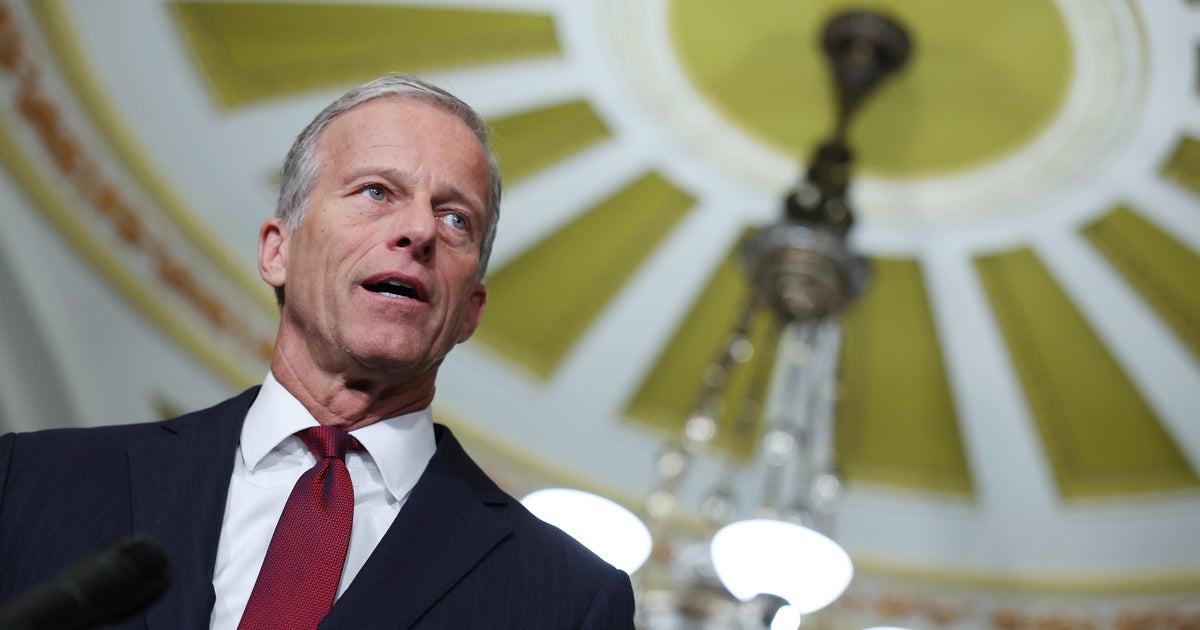
The tensions boiled over Wednesday during a dramatic session on the Senate floor, where both parties tried—and failed—to advance their preferred solutions. Democrats attempted to pass a targeted measure that would fund the non-immigration parts of DHS, like TSA, FEMA, and the Coast Guard, essentially trying to separate the agencies everyone agrees should be funded from the ones at the center of the controversy. Republicans blocked it, arguing that you can’t cherry-pick which parts of a department to fund. They countered with their own proposal: a temporary extension of funding for all of DHS that would buy more time for negotiations without the pressure of a shutdown. Democrats blocked that one right back, insisting that they won’t fund ICE and CBP without the reforms they’ve been demanding. Senate Majority Leader John Thune, visibly frustrated during the floor debate, argued that Republicans are “trying to close a deal that would enable us to fund all the agencies that the Democrats say they want funded with reforms—with reforms to ICE.” He claimed the White House has put forward proposals that go “a lot farther” than Democrats might have expected, suggesting there’s room for compromise if Democrats would just engage seriously. But for Democrats, the issue isn’t whether the White House has made offers—it’s whether those offers genuinely address the concerns raised by incidents like the Minnesota shootings.
The Stephen Miller Factor and Trust Deficit
Senator Patty Murray of Washington, the top Democratic appropriator in the Senate, cut to the heart of what may be the real obstacle to a deal: trust, or the lack thereof. Murray made clear she’s not willing to “sit in a room, have coffee, give away a few things, and have Stephen Miller override whatever we all agreed to.” This reference to Miller—a hardline immigration advisor known for his influence in previous Republican administrations—reveals Democrats’ deeper concern: that even if they negotiate in good faith with Senate Republicans, whatever agreement they reach could be torpedoed by White House officials who have no interest in restraining immigration enforcement. Murray insisted that before Democrats can seriously negotiate, the White House needs to send someone to the table who “understands what has happened in cities across our country, and in particular in Minneapolis, where two people were murdered.” It’s a pointed demand that speaks to Democrats’ belief that the White House doesn’t grasp—or doesn’t care about—the gravity of what happened and why reforms are necessary. This isn’t just about policy differences; it’s about whether both sides are operating from the same set of facts about what went wrong and why it matters.
What Comes Next and Why It Matters
Thursday’s vote will mark the fourth attempt to advance DHS funding, and few observers expect a different result. Senator Brian Schatz of Hawaii summed up the Democratic position plainly: the principles they outlined at the beginning need to be enacted, period. He argued that getting “this rogue agency under control” isn’t a favor to Democrats—it’s actually in the administration’s political interest, since they’ve managed to turn what should have been a strength into a liability. This framing suggests Democrats believe time is on their side, that public opinion will eventually force Republicans and the White House to accept reforms as the shutdown’s effects become more painful. But that’s a high-stakes gamble when real people are missing real paychecks and airport security is visibly deteriorating. At some point, voters might stop caring who’s technically right about negotiating procedures and start punishing whoever they blame for the mess. The fundamental question hanging over this whole standoff is whether American democracy can still function when tragedy demands reform but political polarization makes compromise nearly impossible. Two people are dead in Minnesota, TSA agents are working without pay, and senators are arguing about who refused to sit in which room for which meeting. Until someone blinks, or until the pain becomes unbearable enough to force a real compromise, essential government services will keep operating on borrowed time while Washington plays its endless blame game.